


If you’re looking for living room theme ideas for apartments, start with the pieces that are hardest to change: the floor, wall color, sofa, and main lighting. Warm minimalism, modern neutrals, Scandinavian, Japandi, boho, mid-century modern, biophilic, and colorful eclectic are eight directions to compare. Choose one that suits the room’s light, layout, lease, and daily routine.
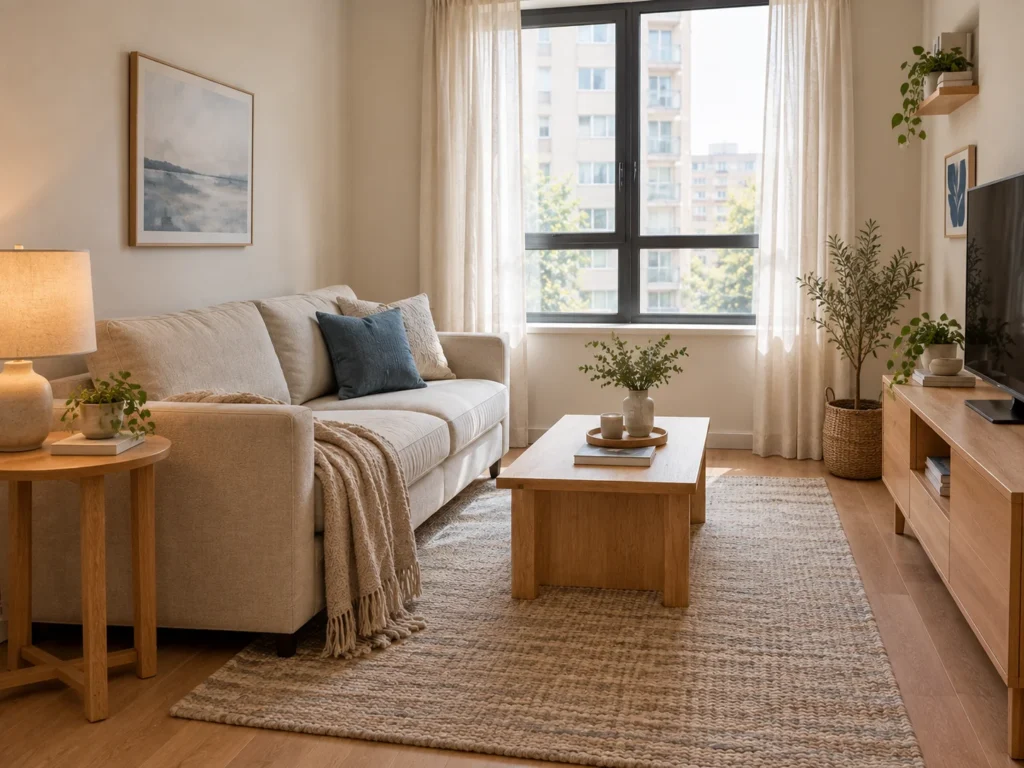
A living room theme is a shared direction for colors, shapes, and materials, not a demand that every piece match. In an apartment, the sofa, floor, or wall color may already be set. I’d use those fixed pieces as the starting point and add only what the room needs.
Table of contents
- 8 living room theme ideas for apartments to try
- Which theme fits your layout, lease, and lifestyle?
- Build a color palette around your room’s light
- One ceiling fixture isn’t a lighting plan
- Arrange seating for conversation
- Let the rug connect furniture that fits the room
- Give storage a job in the room’s design
- Renter-friendly updates
- Small-room decorating habits that can backfire
- Apartment living room questions, answered
- A quick plan before you buy anything
Use this table to shortlist a style. It is a starting point, not a shopping list; adapt each idea to the furniture and finishes you already have.
| Theme | Visual cues | Apartment-friendly starting point |
|---|---|---|
| Warm minimalism | Warm neutrals, wood, soft texture | Keep the useful pieces; add warmth through fabric and material rather than extra objects. |
| Modern neutrals | Neutral base, one or two accent shades | Repeat a chosen accent through portable decor, such as a cushion or artwork. |
| Scandinavian simplicity | Practical shapes, light finishes, comfortable textiles | Keep a few personal objects so the room feels lived in, not staged. |
| Japandi calm | Pared-back forms, natural materials, restrained color | Check the footprint of low or wide furniture against walkways. |
| Boho layers | Textiles, woven details, art, plants or nature-inspired accents | Repeat a small group of colors to connect the layers. |
| Mid-century modern | Warm wood tones, tapered legs, sculptural shapes | Start with one feature piece instead of buying a matching set. |
| Biophilic and nature-inspired | Plants where suitable, wood, botanical art or textures | Match plants to the room’s light and care needs; use prints or materials if plants are impractical. |
| Colorful eclectic | Mixed shapes, patterns, colors, and periods | Repeat one color or material to make different pieces feel related. |
Warm minimalism
Warm minimalism keeps the number of objects deliberately limited while using wood, fabric, and texture to soften the room. A useful side table, a throw, and one woven detail can add character without filling every surface. If the sofa already has a strong color, let nearby pieces support it rather than compete with it.
Modern neutrals
A neutral base can work well when the sofa or flooring already sets the room’s main color. Add one accent shade through art, a cushion, or a small lamp, then repeat it elsewhere. For modern living room ideas for apartments, vary texture and shape instead of adding a different accent color with every purchase.
Scandinavian simplicity
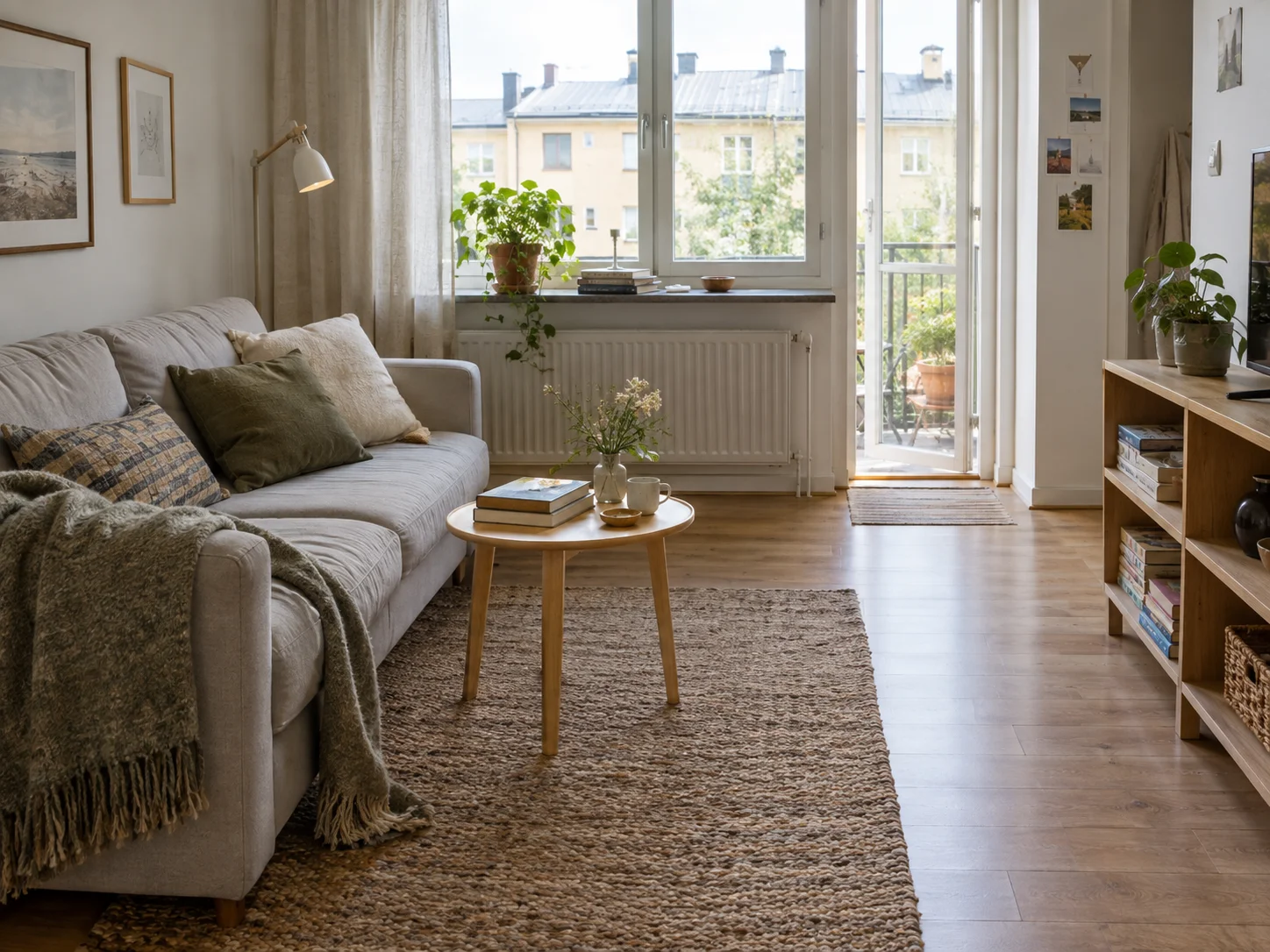
Scandinavian style combines practical shapes, light finishes, and comfortable textiles. Keep a few books, photographs, or personal objects in view so the room feels like a home rather than a showroom. Before choosing a pale fabric or finish, compare it with the floor and existing furniture in the room.
Japandi calm
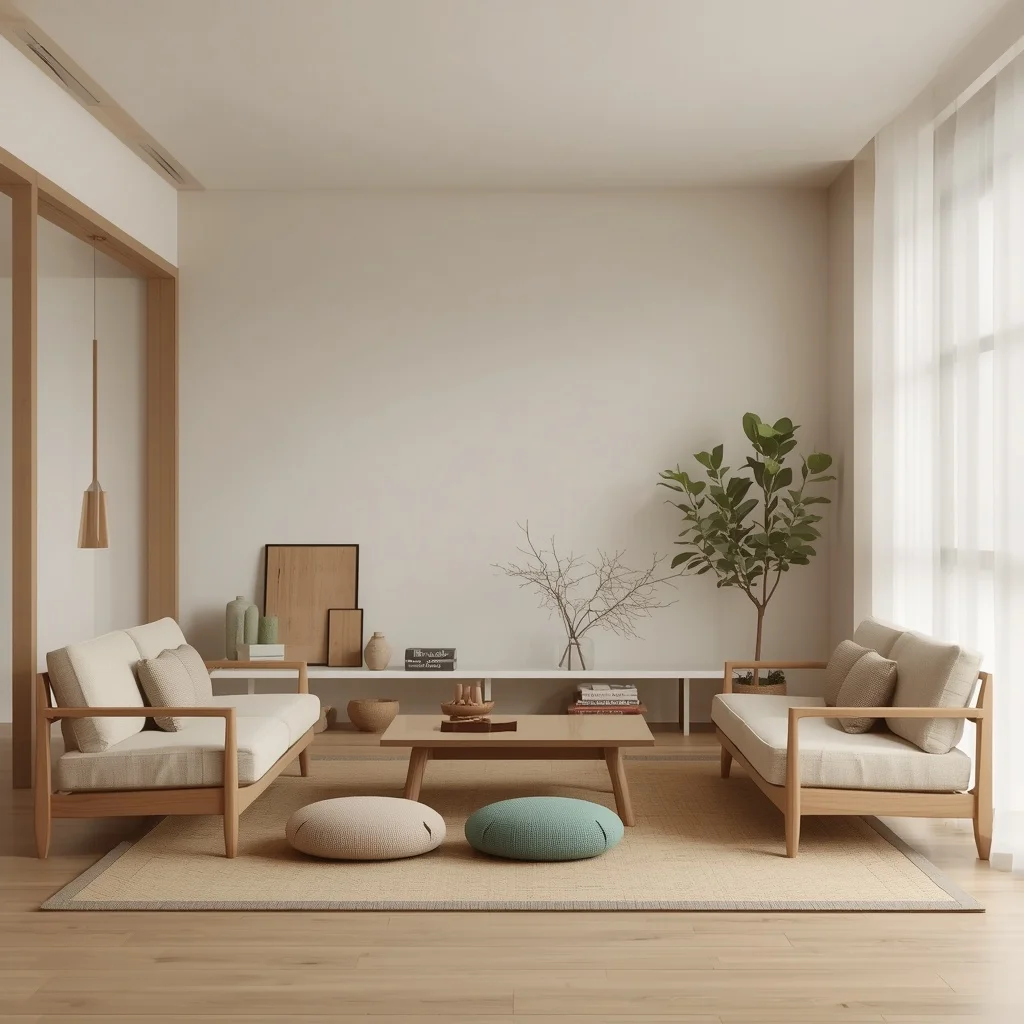
Japandi brings together pared-back forms, natural materials, and a restrained palette. A compact storage piece can help keep everyday items from taking over the seating area. If you prefer low or wide furniture, check that it leaves a clear route through the room before buying it.
Boho layers
Boho apartment living room decor can combine patterned textiles, woven materials, art, and collected pieces. Repeat one or two colors to connect the layers. If the seating area already has several patterns, use a simpler fabric or surface nearby to give the eye a visual pause.

Mid-century modern
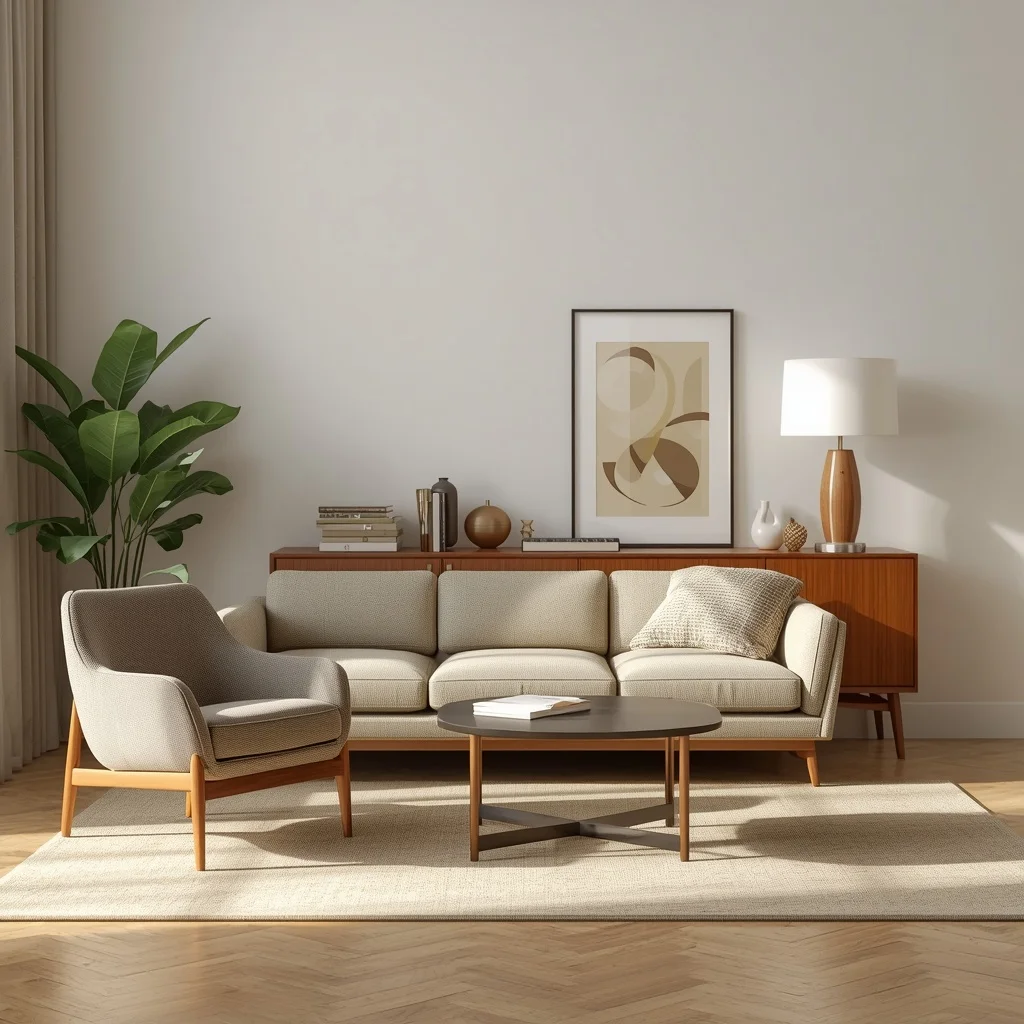
Mid-century modern uses warm wood, tapered legs, and sculptural shapes. I’d begin with one chair, sideboard, or table rather than a matching set; that leaves room for furniture you already own. Measure the item and its path into the apartment before ordering it.
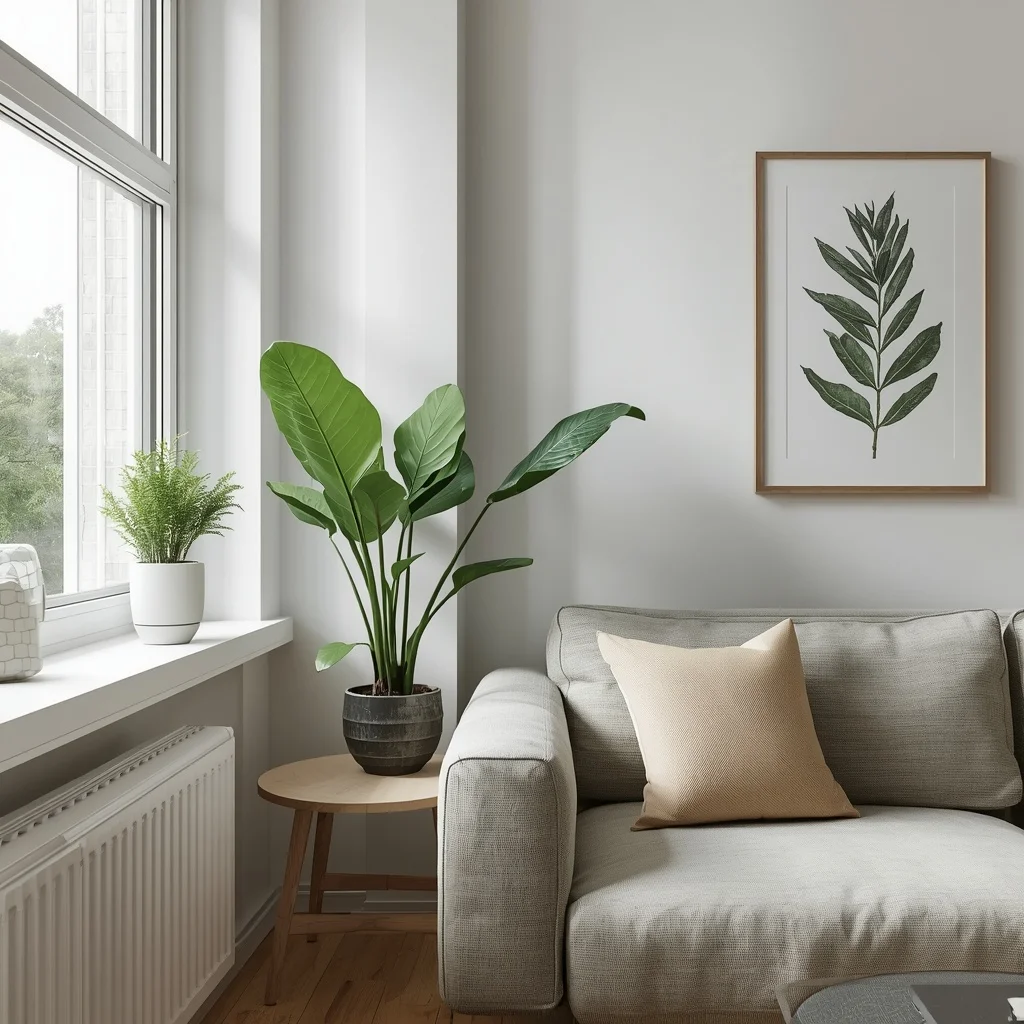
Biophilic and nature-inspired
Plants, wood, botanical prints, and natural textures can bring a nature-inspired feel indoors. Choose a plant only if the room’s light and your care routine suit it. If not, a leafy print, woven material, or wood finish can provide a similar visual cue without adding a plant to a dark corner.
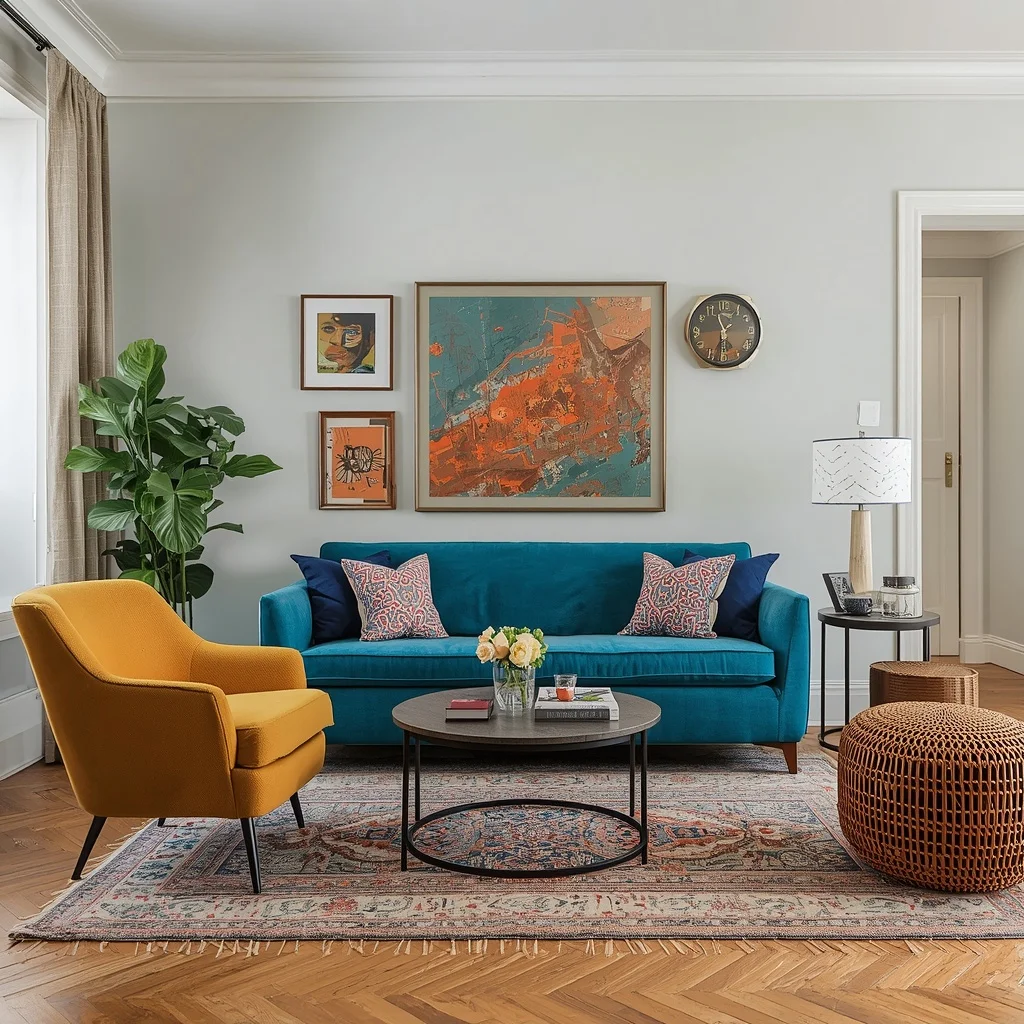
Colorful, eclectic
An eclectic theme can mix periods, shapes, and patterns without requiring every piece to match. Choose one anchor, perhaps a sofa, artwork, or rug, and repeat one color or material in smaller details. That gives a reading nook or seating area its own character without needing a divider.
A style that looks good in a photo still needs to work for the way you use the room. Before choosing decor, make a short list of the room’s daily activities, fixed features, walkways, rental limits, and budget. This is a useful starting point for living room design ideas for small apartments: plan the function first, then choose the look.
Start with what the room needs to do.
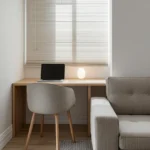
Does the living room also serve as a workspace or dining spot? List those uses before arranging furniture. If a dedicated work area is part of the plan, see computer desk ideas for the living room before choosing a desk or placing the sofa.
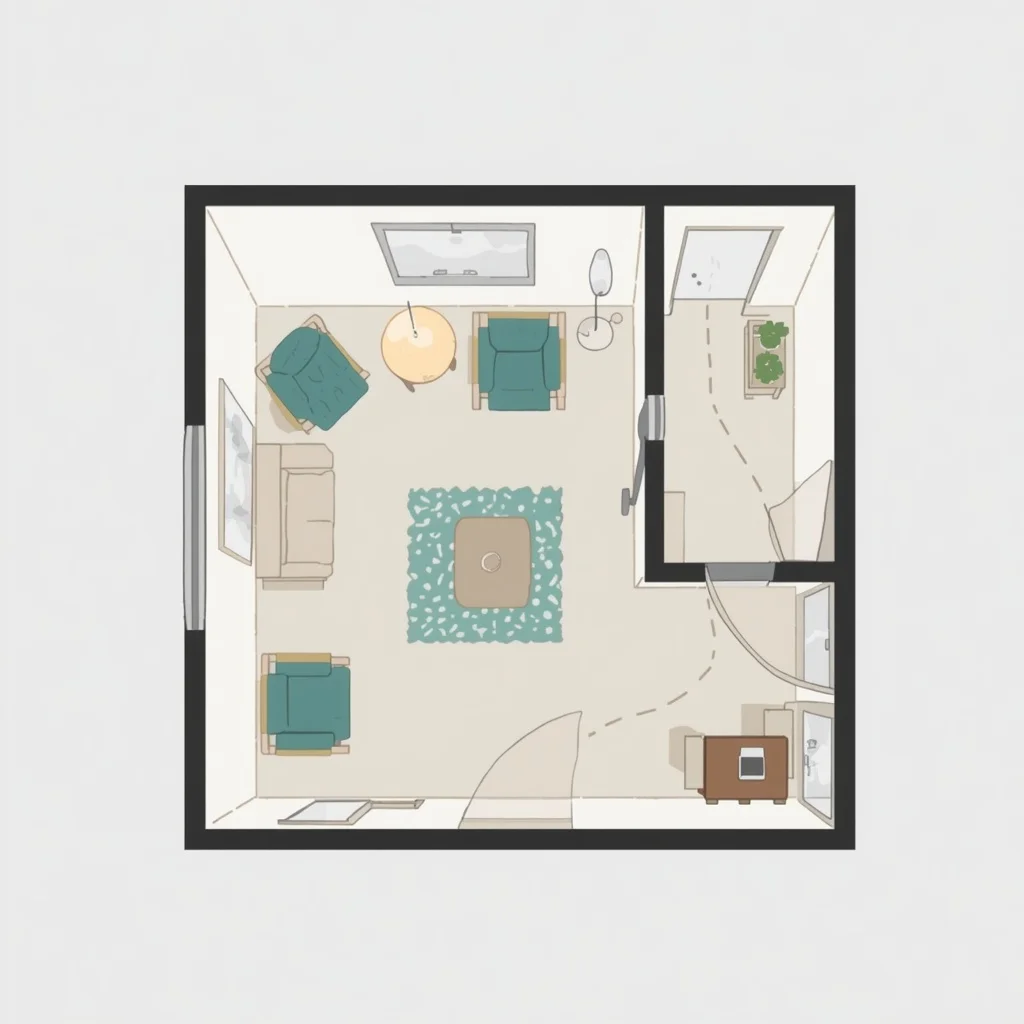
Sketch the floor plan.
Note the room dimensions, doors, windows, outlets, and the routes you use every day. Mark the larger furniture pieces on a quick sketch, then check whether doors and paths remain clear. In a studio apartment, a sofa, rug, or lamp can help identify the lounge area without adding a full divider.
Set the practical limits.
Check the lease before planning paint, drilling, or fixture changes. Also consider what furniture is worth keeping, how much upkeep you want, and what the budget allows. A theme should guide purchases; it should not force you to replace a usable sofa or make a change the lease does not permit.
A paint or fabric sample can look different beside your own floor and sofa than it did in a shop. I’d choose the palette around the finishes that will stay, then check the colors in the room’s daylight and evening light.
Start with one base color, add a supporting shade, then choose a smaller accent. For example, if a blue sofa is staying, a neutral base and a small repeat of blue in a print or cushion can connect the room without creating a matching set.
A color scheme for a small living room does not have to be white or pale. White can work, but warm neutrals or a stronger shade may suit the room just as well. Test paint or fabric beside the flooring before committing, and repeat a color or material in more than one place to give the palette a clear link.
A ceiling fixture can brighten the room while leaving a reading chair or desk in shadow. I’d plan three kinds of light: ambient light for general visibility, task light where an activity happens, and accent light for a picture, shelf, or darker corner. For a cozy room, portable lamps can add layers without changing fixed wiring.
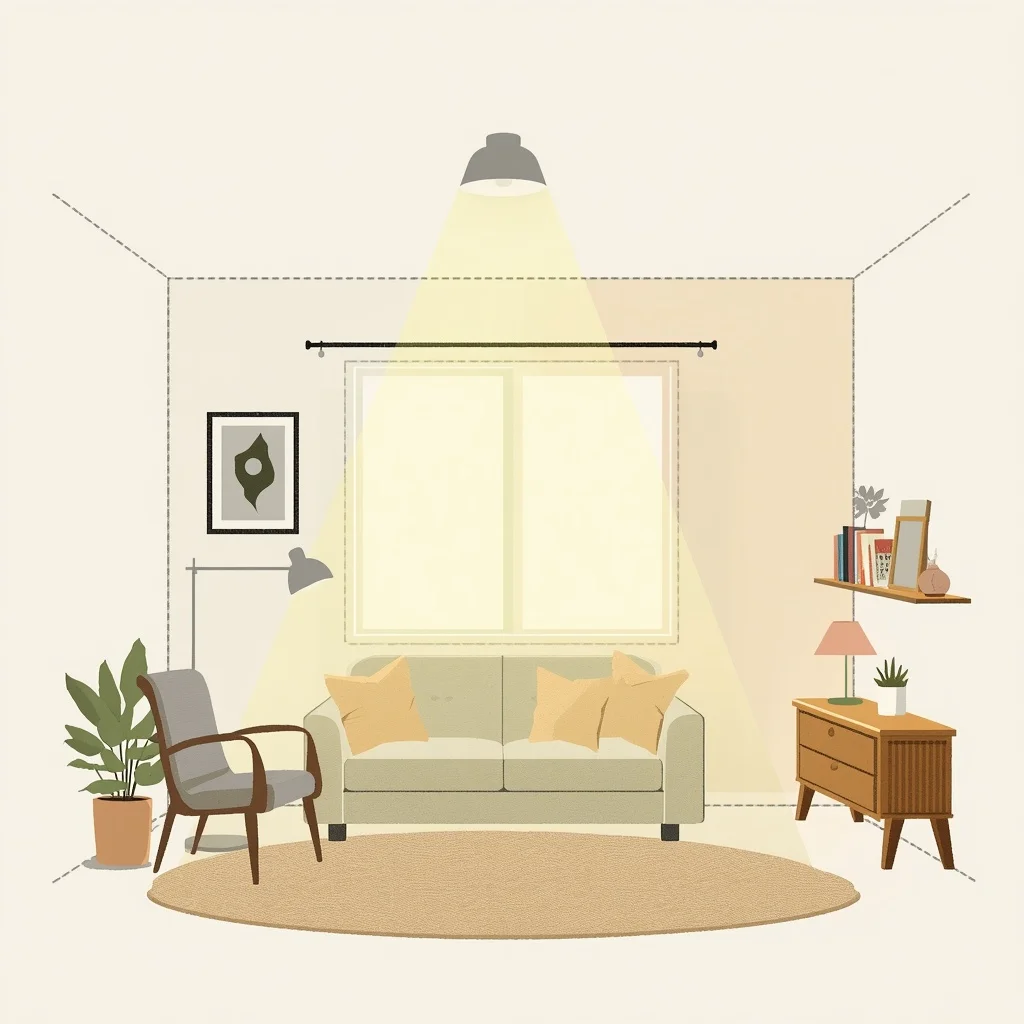
Ambient light for the room
Ambient lighting provides general light. If the ceiling fixture feels harsh or uneven, try a portable lamp before changing a fixed fixture. Check the lease before replacing a ceiling light, switch, or other electrical fitting.
Task light for reading or work
Place task lighting near a chair, sofa, or desk so the light reaches the activity. A floor or table lamp can serve that spot without requiring every corner to be equally bright. Choose the bulb color temperature for the task and mood, and check the product label when comparing bulbs.
Accent light for detail
Accent lighting can draw attention to art, a shelf, or a corner. Use it where it adds a clear purpose, and keep cords out of walking routes. One small lamp may be enough; more fixtures do not automatically make the room feel better lit.
An empty strip of floor does not always make a living room more useful. I’d arrange the main seats so people can talk and move between the door, sofa, and other parts of the room. A clear route matters more than making every piece float away from the walls.
In a combined lounge and work area, the sofa can face the chairs while its back helps signal where the desk zone begins. In a studio, a rug or a change in lighting can also mark the lounge area. Keep the route between zones open rather than adding a divider by default.
Before moving heavy furniture, sketch the plan and mark doors, windows, and everyday paths. Then test the arrangement by walking through it. A furniture arrangement for a compact living room should connect the seats and leave room to pass; in a narrow room, keeping the sofa closer to a wall may be the more practical choice.
A rug can suit the sofa and still feel disconnected if it stops before the seating group. Measure the room and main pieces, then mark a possible rug outline on the floor with removable tape before ordering. This gives you a chance to check the shape against doors and walking routes.
If the room allows, place the front feet of the main seats on the rug so the chairs and sofa feel connected. Don’t force a large rug if it blocks a door or crowds the route. If you prefer bare floors, see living room ideas without carpet for another option.
Treat the rug as one part of the seating area, not an isolated centerpiece. A simple rug can sit beside patterned upholstery, while a quiet pattern can add interest to plainer furniture. The useful question is whether the rug helps the seating read as one zone.
Before adding storage, name what needs to be put away each day: books, cables, blankets, toys, or something else. Small-space living room storage works best when the chosen piece fits an actual item and does not block the route through the room.
Multifunctional furniture for apartments earns its space when both uses matter. A storage ottoman can hold a throw and serve as a footrest; a bench can provide a seat and a place for items. Check its size and usable storage before bringing it home.
If drilling is not allowed, consider freestanding shelves, baskets, or closed storage that fits the room. Keep the coffee table for the items you use, and move less-used belongings to a more suitable spot. Adding another storage piece without deciding what it will hold can create a new obstacle rather than solve the clutter.
A rental can still feel personal without relying on permanent changes. Start with what you own and check the lease before changing walls or fixtures. Renter-friendly living room decor can come from lighting, textiles, furniture placement, and art that does not require new holes.
A floor lamp, framed art resting on a shelf, or a new cushion cover can change the feel of a room. Removable wallpaper and adhesive hooks depend on the wall surface, lease, and product instructions; “removable” does not mean every product is suitable for every wall. Follow the maker’s directions and do not treat a test patch as a guarantee.
For budget apartment living room decor, I’d first rearrange the furniture or reuse a textile that works with the palette. If the room still needs something, choose one item that fills a clear gap. A theme does not require replacing a usable sofa.
Before buying, check these common traps:
- Shopping before measuring: Measure the room, furniture, doors, and route into the space; mark large footprints before ordering.
- Assuming every piece should be tiny or pushed against a wall: Choose furniture that suits the room and supports the way people use it. Test a layout rather than following a universal placement rule.
- Adding storage before naming the problem: List the items that need a home, then choose a piece that fits those items and the available space.
- Mixing accents without a link: Repeat a color, material, or shape so different pieces feel related; edit anything that adds clutter without serving a use.
Which living room style is easiest to adapt to a small apartment?
There is no one best style for every apartment. Warm minimalism, Scandinavian, and Japandi are useful starting points if you like restrained shapes and palettes, but choose around the furniture, light, layout, and upkeep you can manage. Use the comparison table above to shortlist a direction.
Can I use dark or bright colors in a compact rental?
Yes. A small room does not have to be all white. Try a cushion, print, or paint sample in the room’s daylight and evening light. Check the lease before painting.
How do I choose a theme for a studio apartment?
Start with the activities the studio needs to support, such as relaxing, working, or dining. A rug, sofa placement, or lighting can help signal the lounge area while keeping the route clear. Choose a divider only if it fits the layout and does not make movement awkward.
How should I place a sofa in a small living room?
Place it so people can talk and there is a clear route from the door. A sofa does not always need to touch a wall, but moving it back may work better in a narrow room. If you are considering a sectional, browse living rooms with sectionals for layout examples.
What rug size helps the seating feel connected?
Choose a rug that relates to the sofa and chairs, then check it against room dimensions and doorways. If space allows, put the front feet of the main seats on it. There is no reason to force a larger rug if it blocks a walkway.
How can I update a rental without damaging the walls?
Start with the lease and the product instructions. Freestanding art, lamps, and textiles do not require new wall holes. Adhesive hooks and removable wallpaper depend on the surface and product, so do not assume a product is damage-free for every wall.
How can I make the room feel coordinated without buying a set?
Repeat one color or material, then build around furniture you already own. Different pieces can feel related without matching exactly. For a budget update, try rearranging a chair or changing one textile before replacing usable furniture.
What lighting does a small apartment living room need?
Use ambient light for the room, task light for reading or work, and accent light for art or shelves. Start with portable lamps and check the lease before changing a fixed fixture. Choose bulbs that suit the room’s use and look consistent together.
A quick plan before you buy anything
- List what you do in the room each day.
- Measure the room, main furniture, doorways, and walking routes.
- Choose a palette around the pieces you plan to keep.
- Sketch the seating and lighting before shopping.
- Check lease rules before wall or fixture changes.
- Buy only to fill a clear gap; try one change before adding another.

Pingback: Family Room vs Living Room: 7 Clear, Practical Differences
Pingback: Ideas for Accent Walls in Living Room: 18 Easy Upgrades
Pingback: Living Room Fireplace Ideas: 15 Simple & Cozy Designs
Pingback: Interior Design Styles Explained: 12 Smart Choices
Pingback: Contemporary Interior Design: What It Is and How to Use It
Pingback: Modern Decorating with Antiques: Simple Tips That Work
Pingback: DIY Room Decor for Small Apartments: 10 Space-Saving Ideas
Pingback: Neutral Color Palette Interior Design: 7 Simple Room Combos
Pingback: Guest Room Decorating Ideas: Make Any Spare Room Feel Welcoming - sfdecorstyle.comGuest Room Decorating Ideas: 15 Simple Touches Guests Love
Pingback: Best Materials for Industrial House Interiors: 12 Picks