

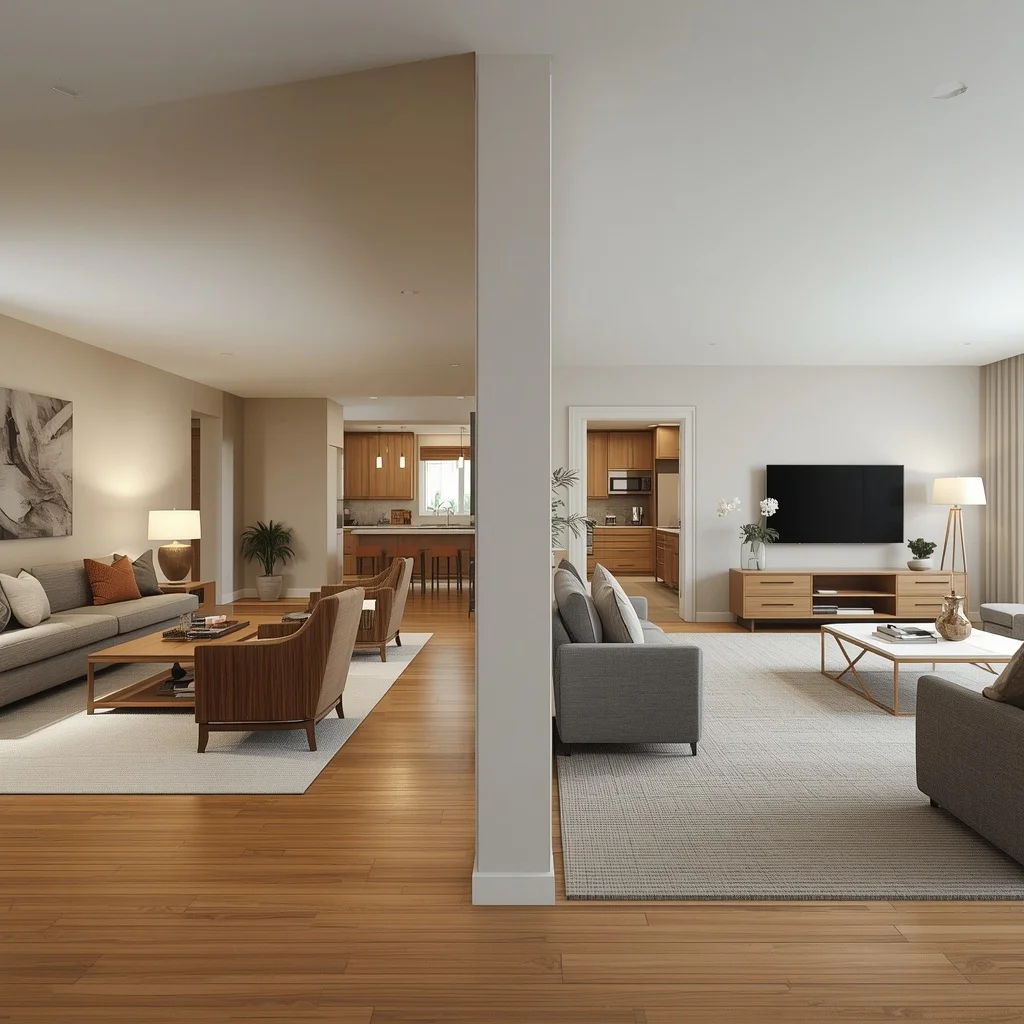
Choosing between a family room and a living room can be confusing because both spaces are designed for spending time at home. However, they often serve different purposes. A living room is typically used for welcoming guests and creating a more formal setting, while a family room is designed for everyday relaxation, entertainment, and family activities. In this guide, we’ll explain the key differences between a family room and a living room, compare their furniture and layouts, and help you decide which setup works best for your home.
Family Room vs Living Room: What’s the Difference?
Table of Contents
Family Room vs Living Room: What’s the Difference?
Choosing between a family room and a living room can be confusing because both spaces are designed for relaxing, socializing, and spending time with others. The main difference is how each room is typically used: a living room often provides a more formal space for entertaining guests, while a family room is usually designed for everyday activities and comfortable family time.
However, these distinctions are not strict rules. Many modern homes use one room for both purposes, depending on the available space, household needs, and personal preferences.
In this guide, you’ll learn the difference between a family room and a living room, how their furniture and layouts compare, and how to decide which setup works best for your home.
Family Room vs Living Room: Key Differences
The biggest differences between a family room and a living room involve their purpose, atmosphere, furniture, and everyday use.
| Feature | Living Room | Family Room |
|---|---|---|
| Primary purpose | Entertaining guests and socializing | Everyday relaxation and family activities |
| Atmosphere | Often formal or polished | Usually casual and comfortable |
| Furniture | Sofas, accent chairs, and decorative tables | Comfortable sofas, sectionals, and practical seating |
| Entertainment | Conversation, reading, and hosting | Watching TV, playing games, and relaxing |
| Materials | Chosen to balance style and comfort | Often selected for durability and easy maintenance |
| Typical location | Sometimes near the main entrance | Often near the kitchen or other shared spaces |
| Design priority | Appearance and entertaining | Functionality and everyday comfort |
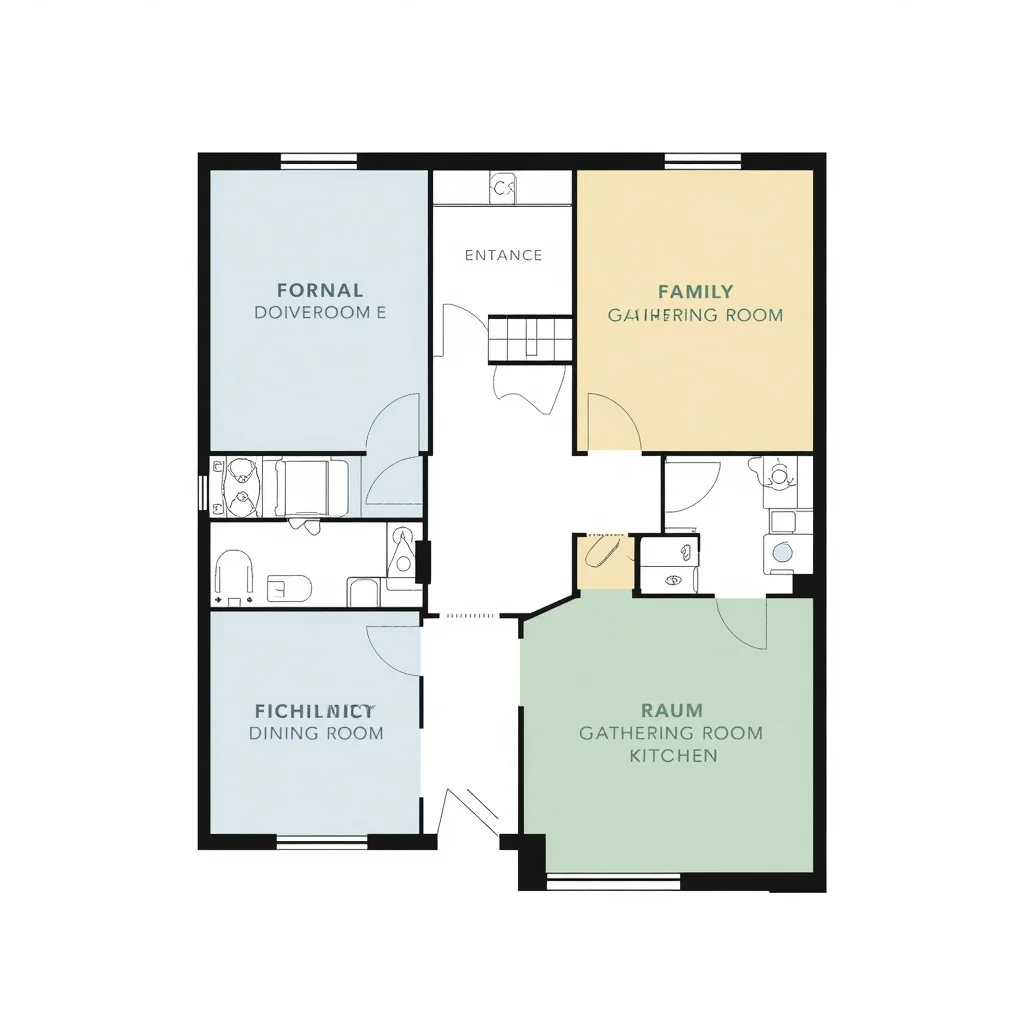
These are common design tendencies rather than universal rules. A living room can be casual, and a family room can be beautifully styled.
What Is a Living Room?
A living room is a shared space used for conversation, entertaining visitors, reading, and relaxing. In many traditional homes, it is located near the main entrance, making it convenient for welcoming guests without taking them through the entire house.
A well-planned living room includes furniture and accessories that support comfort, conversation, and everyday use. For a more detailed overview of common furnishings, explore this guide to things in a living room before choosing the pieces that best suit your space. If you’re decorating a smaller home, explore these living room theme ideas for apartments for inspiration on creating a stylish and functional space.
Common Features of a Living Room
1. A welcoming seating arrangement
Living rooms often use sofas and chairs arranged to encourage conversation. Seating may face each other rather than being positioned exclusively toward a television.
2. A polished design
Decorative accessories, coordinated fabrics, rugs, and artwork can create a cohesive appearance. The level of formality depends on the homeowner’s taste and lifestyle.
3. Flexible everyday use
Although some living rooms are reserved mainly for guests, many households use them for reading, relaxing, listening to music, or spending time together. If you also need a workspace, these computer desk ideas for the living room can help you incorporate a desk without sacrificing comfort.
4. Thoughtful lighting
A combination of overhead lighting, floor lamps, and table lamps can make the space suitable for entertaining as well as quiet activities.
Is a Living Room Always Formal?
No. A living room does not need expensive furniture or delicate decorations to qualify as one. The term describes the room’s role in the home more than a specific decorating style.
A comfortable, family-friendly living room can be practical and informal while still providing a welcoming space for visitors.
What Is a Family Room?
A family room is generally a casual shared space designed for everyday living. It often serves as the main place for watching television, playing games, relaxing after work or school, and spending time with family members.
Family rooms are frequently located near the kitchen, dining area, or other high-traffic parts of the house. This arrangement can make it easier for family members to interact while doing different activities.
Common Features of a Family Room
1. Comfortable seating
Sectional sofas, reclining chairs, ottomans, and deep-cushioned seating are common choices because they support lounging and longer periods of use.
2. Entertainment options
A television, gaming console, bookshelves, or board games may be included, depending on the household’s interests. A television is common but not essential.
3. Durable materials
Homes with children, pets, or frequent visitors may benefit from washable covers, stain-resistant fabrics, sturdy furniture, and easy-to-clean flooring.
4. Flexible storage
Cabinets, baskets, shelves, and storage ottomans can help organize toys, blankets, games, and electronic accessories.
How Should You Decorate a Family Room?
Start with the activities the room needs to support. Choose seating that accommodates the household, leave enough space for movement, and position entertainment equipment where it can be viewed comfortably.
Layered lighting, soft rugs, cushions, and practical storage can make the room feel inviting without sacrificing functionality.
Family Room vs Formal Living Room: Which Is Better for Guests?
A formal living room is often designed with entertaining in mind. Its seating arrangement, lighting, and decorative details may create a more polished atmosphere for visitors and special occasions. If you prefer a refined look, explore these high-end living room ideas for inspiration on furniture, finishes, and decorative details.
A family room, by comparison, usually emphasizes comfort and informal interaction. Guests might sit on a sectional, watch a movie, or join a casual gathering.
Neither option is automatically better for hosting. The right choice depends on the kind of experience you want to create.
- Choose a more formal living room setup if you regularly host occasions where conversation and presentation are priorities.
- Choose a casual family room setup if your gatherings usually involve meals, television, games, or relaxed conversation.
- Combine both functions if your home has limited space or you want one versatile room for everyday use and entertaining.
You can also make a family room feel guest-ready by organizing clutter, adding attractive lighting, and arranging seating to encourage conversation.
Family Room vs Living Room vs Great Room vs Den
These terms describe different common approaches to organizing living spaces, but their meanings can overlap.
| Room type | Main characteristic | Best suited for |
|---|---|---|
| Living room | A shared space that may prioritize entertaining | Hosting guests and conversation |
| Family room | A casual area for everyday activities | Relaxation and family time |
| Great room | A large, often open space combining living functions with adjacent areas | Open-plan living and entertaining |
| Den | A smaller or more private room, often used as a retreat or flexible workspace | Reading, working, or quiet relaxation |
What Is the Difference Between a Family Room and a Great Room?
A family room is defined mainly by its everyday function. A great room is generally characterized by its size and open layout, often combining living and dining functions or connecting directly to a kitchen.
For example, a home might have a family room with a television and sectional sofa, while a great room might accommodate a living area and dining table within one open space.
How Is a Den Different From a Living Room?
A den is often more private or compact than a main living room. It may serve as a reading room, home office, hobby space, or secondary entertainment area.
Unlike a traditional formal living room, a den may prioritize privacy and personal use over hosting visitors.
Family Room and Living Room Next to Each Other: How Should You Design Them?
Having a family room and a living room next to each other can give a household more flexibility. One space can support casual daily activities while the other provides a quieter setting for guests, reading, or conversation.
The challenge is making the rooms feel connected without giving them identical purposes.
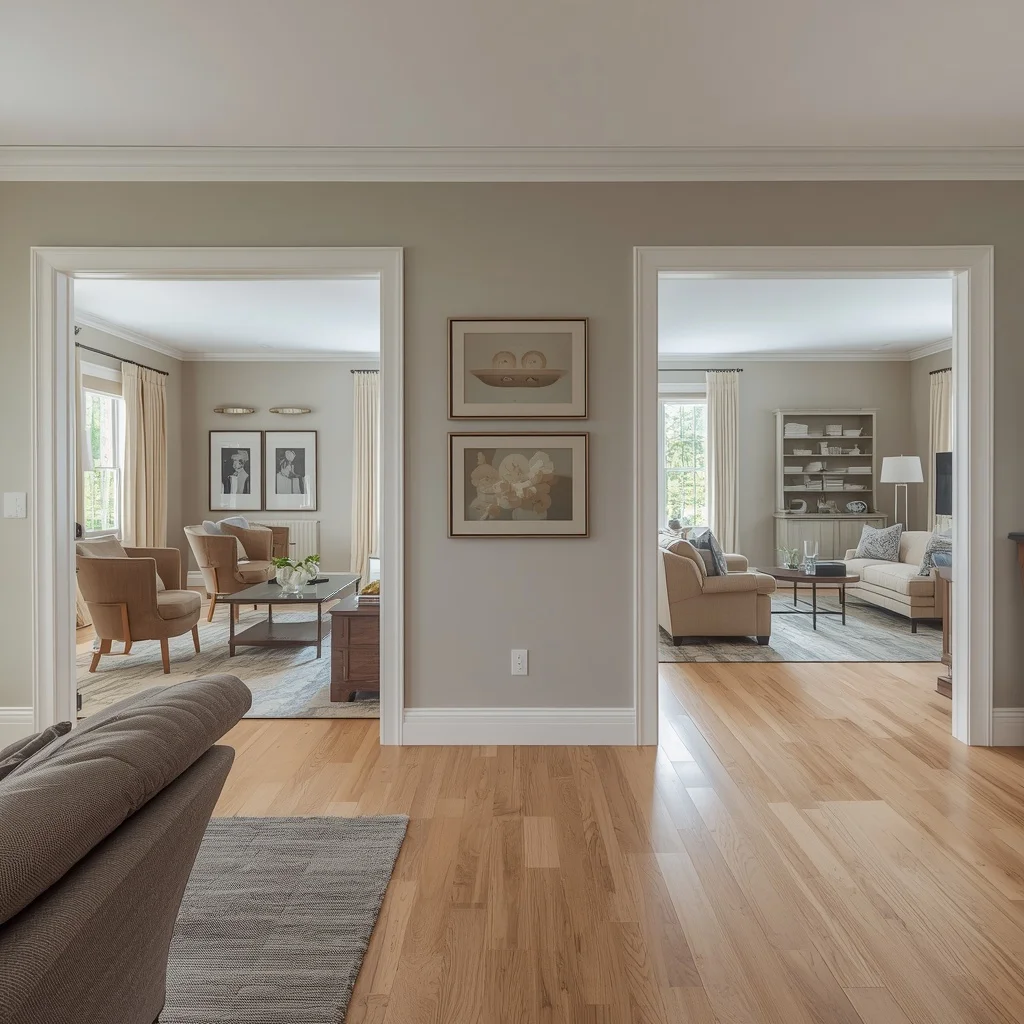
Give Each Room a Clear Function
Use the family room for the activities your household performs most frequently. For example, it might contain the television, comfortable seating, and storage for games.
Keep the living room focused on conversation, reading, or entertaining if those activities are important to you.
Coordinate the Design
The rooms do not need to match exactly. Repeating a few colors, finishes, or materials can make them feel connected while allowing each room to have its own character.
For instance, both spaces might use similar wood tones and complementary rugs, while the family room has more relaxed seating.
Plan Traffic Flow
Leave clear walking paths between entrances, furniture, and adjoining rooms. Avoid positioning large sofas or tables where they obstruct movement between the two spaces.
Avoid Unnecessary Furniture
Two adjoining rooms do not need duplicate furniture arrangements. Choose pieces according to each room’s purpose rather than filling every available corner.
If the living room is primarily for conversation, a pair of accent chairs may be more useful than another large sofa. If the family room is used for movie nights, a sectional might make more sense.
Can a Family Room and Dining Room Be Combined?
Yes. A family room dining room combo can work particularly well in smaller homes and open-plan layouts. Combining these functions can make a home feel more spacious and help people interact across different activities.
However, a successful layout needs clearly defined zones.

Use Furniture to Separate the Areas
Position the dining table and seating area so that each has enough space to function comfortably. A sofa back, area rug, or console table can create a visual boundary without closing off the room.
Choose a Consistent Color Palette
Use complementary colors and finishes throughout the combined space. This creates a unified appearance without requiring every piece of furniture to match.
Consider Lighting Separately
A pendant light above the dining table can define the eating area, while floor lamps or ceiling lights illuminate the family seating area.
Prioritize Movement and Practicality
Allow enough clearance around dining chairs and keep routes between the kitchen, table, and seating area unobstructed.
The best arrangement depends on the room’s dimensions, furniture sizes, and the number of people who regularly use the space.
What Furniture Works Best in a Family Room vs Living Room?
Furniture should reflect how each room is used rather than following rigid decorating rules.
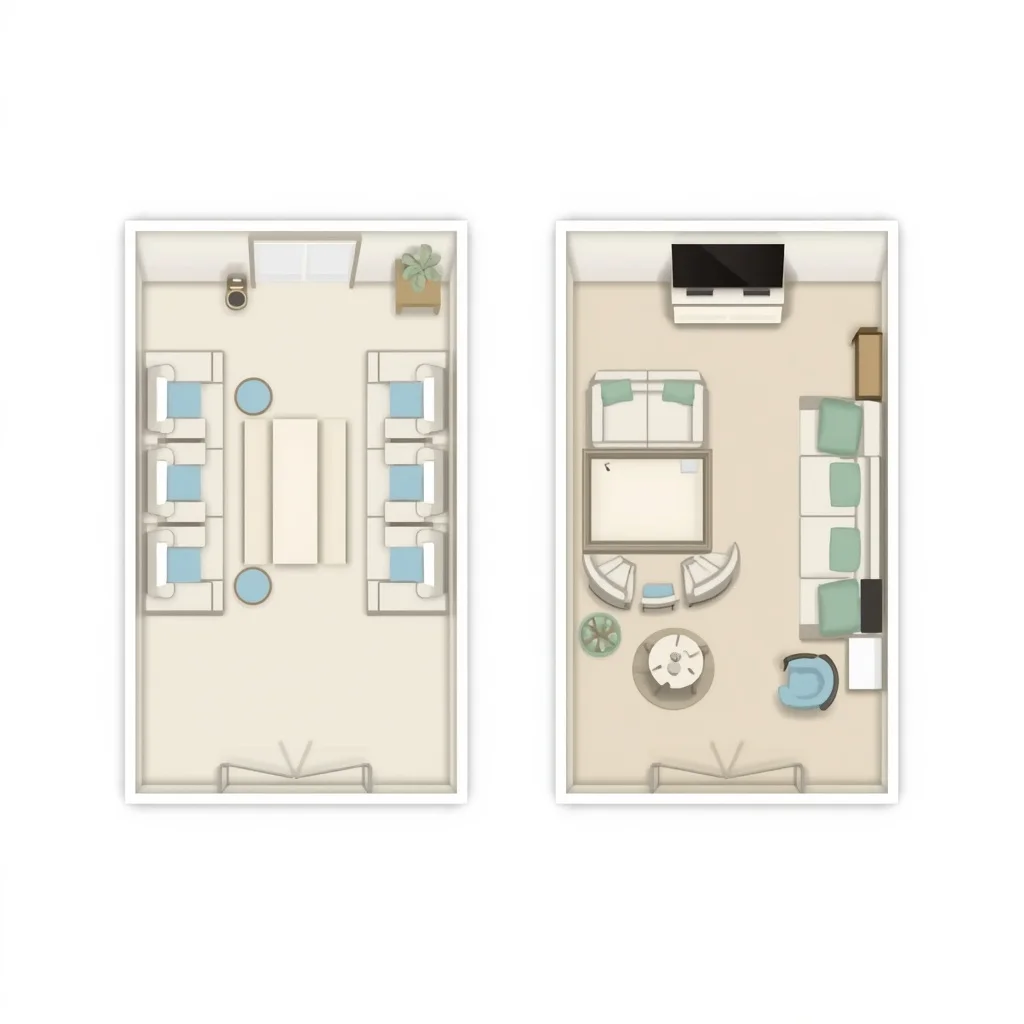
Living Room Furniture
A living room may benefit from:
- A sofa and complementary accent chairs.
- A coffee table or side tables.
- An area rug that helps define the seating arrangement.
- Decorative lighting and selected accessories.
- Shelving, artwork, or a focal point such as a fireplace.
Arrange seating to make conversation comfortable and ensure that people can move through the room easily. For more guidance on positioning sofas, tables, and chairs, see this guide to furniture setup for the living room.
Family Room Furniture
Comfortable seating is essential in a family room, especially when several people use the space regularly. These living room ideas with sectional sofas can help you explore seating arrangements that accommodate family members and guests.
- A comfortable sofa or sectional.
- An ottoman or practical coffee table.
- Side tables for drinks and everyday items.
- Storage cabinets, baskets, or shelves.
- Durable cushions and fabrics suited to frequent use.
If children or pets use the room, consider removable cushion covers and materials that are easy to clean. Durability matters, but it should not come at the expense of comfort.
Best Flooring for a High-Traffic Family Room
Family rooms often experience frequent foot traffic, spills, and movement of furniture. The right flooring depends on your budget, household needs, climate, and maintenance preferences.
| Flooring type | Main advantages | Things to consider |
|---|---|---|
| Luxury vinyl plank | Often water-resistant and easy to clean | Quality and wear resistance vary |
| Engineered wood | Offers a real-wood surface with a layered construction | Water exposure and refinishing options depend on the product |
| Laminate | Available in many styles and often relatively affordable | Standard products may be vulnerable to moisture |
| Tile | Durable and easy to clean | Can feel hard or cold underfoot |
| Carpet | Soft and comfortable for sitting and playing | Requires regular cleaning and attention to stains |
| Hardwood | Timeless appearance and potential to be refinished | Can scratch and may be sensitive to moisture |
For a busy family room, compare the manufacturer’s cleaning instructions, wear rating, moisture limitations, and warranty before choosing a material.

An area rug can add warmth and define the seating zone, regardless of the main flooring type. If you prefer a cleaner, less carpeted look, explore these living room ideas without carpet for alternative flooring and styling inspiration. Select a suitable rug pad if you decide to use an area rug.
How to Choose Between a Family Room and a Living Room for a Home Renovation
If you are renovating your home, begin with your daily routines rather than the name of the room.
Choose a Family Room Setup If:
- Your household spends a lot of time watching television or relaxing together.
- You need comfortable seating for several people.
- You want storage for toys, games, books, or entertainment equipment.
- The space receives frequent use from children, pets, or visitors.
Choose a Living Room Setup If:
- You want a dedicated area for hosting guests.
- Conversation and comfortable social seating are priorities.
- You prefer a quieter space separate from everyday entertainment.
- You need a flexible area for reading, relaxing, or occasional gatherings.
Consider a Combined Living Space If:
- Your home has only one main shared room.
- You prefer an open-plan layout.
- You want to avoid furnishing multiple rooms that serve similar purposes.
- Your household uses the same space for entertaining and everyday activities.
Before making structural changes, consider the room’s dimensions, natural light, electrical outlets, storage needs, and traffic flow. A clear plan can help prevent costly changes later.
Frequently Asked Questions
Is a family room and a living room the same thing?
Not exactly. A living room often emphasizes entertaining and socializing, while a family room usually supports everyday relaxation and activities. However, the terms overlap, and many homes use one room for both purposes.
Should the TV be in the family room or living room?
A television is often placed in the family room because that space is commonly used for entertainment. However, a living room can also include a television if it suits the household’s needs and the room’s layout.
Can you have a family room and a living room in the same house?
Yes. Some homes have both, with the living room used for guests and the family room used for everyday activities. Other homes combine these functions in a single shared space.
Which room should be near the kitchen?
A family room is often located near the kitchen because the connection supports everyday activities and interaction. However, the ideal arrangement depends on the home’s floor plan.
Is a family room better than a living room for children?
A family room is often a practical choice because it can prioritize comfortable seating, accessible storage, and durable materials. A well-designed living room can also be suitable for children if its furniture and layout meet their needs.
What is the difference between a family room and a den?
A family room is generally a shared space for everyday household activities. A den is often a smaller or more private area used for reading, working, hobbies, or relaxation.
Do you need both a family room and a living room?
No. One well-planned room can serve both purposes. Having two separate rooms is useful only if the extra space supports distinct activities and fits your budget and lifestyle.
Final Thoughts: Family Room vs Living Room
The main difference between a family room and a living room is their typical purpose. A living room often provides a welcoming setting for guests and conversation, while a family room generally prioritizes everyday comfort, entertainment, and family activities.
Neither arrangement is inherently better. If you have enough space, you can give each room a distinct function. If you have a smaller home, combining both purposes in one flexible living area may be the more practical solution.
Focus on how you use your home, how much seating and storage you need, and how you want the space to feel. The best design is the one that supports your lifestyle while making the room comfortable, functional, and inviting.

Pingback: Ideas for Accent Walls in Living Room: 18 Easy Upgrades
Pingback: Living Room Fireplace Ideas: 15 Simple & Cozy Designs
Pingback: Ranch Style House Interior Design: Modern Ideas That Work
Pingback: Neutral Color Palette Interior Design: 7 Simple Room Combos
Pingback: Best Materials for Industrial House Interiors: 12 Picks