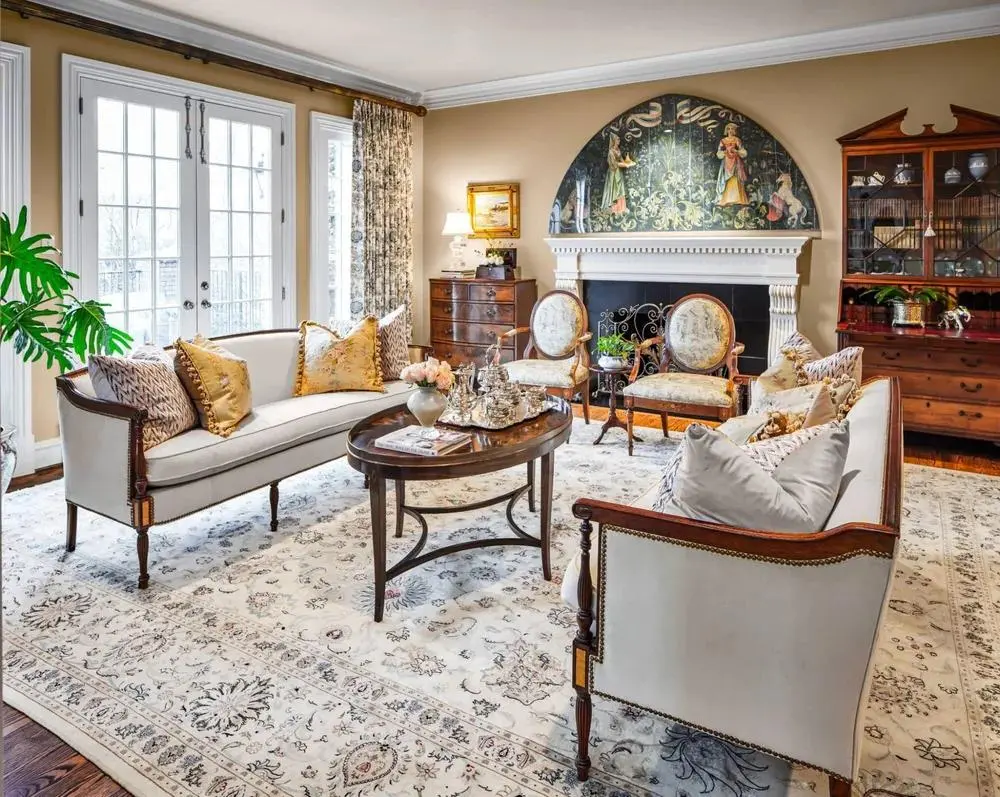

Traditional interior design is a decorating style shaped by historical references, balanced room layouts, classic furniture forms, and considered materials. It can feel formal or relaxed, depending on the furniture, colors, patterns, and details you choose.
So, what is traditional interior design? In Western design, many familiar examples draw on European styles such as Georgian and Neoclassical design. These influences offer a starting point, not a template that every home needs to follow. A traditional room does not have to recreate a specific period or contain a complete set of antique furniture.
A carved table, patterned rug, or carefully arranged seating area can add a traditional touch. What matters is how the pieces work together. In this guide, you will find the key features and ideas that define this style.
Table of Contents
- What Defines Traditional Interior Design?
- Traditional Interior Design Characteristics
- Traditional Furniture, Wood, and Patterns
- Color, Lighting, and Textiles
- Traditional vs. Transitional Interior Design
- How to Use Traditional Design in a Living Room
- New Traditional Style: Classic Details with a Modern Feel
- What to Check Before Renovating
- Traditional Interior Design FAQs
What Defines Traditional Interior Design?
Traditional interior design is recognized by its use of classic references, deliberate room arrangements, detailed furniture, and materials that add warmth and character. No single feature is required; the overall combination gives a room its traditional feel.
The word “traditional” can mean different things in different cultural settings. This article uses the term for the Western style commonly linked with European historical influences. Other regions have their own traditional design languages, materials, and craft traditions.
Traditional style can also vary in mood. A room with carved furniture and rich fabrics may feel formal, while one with a few classic pieces and simpler finishes may feel more relaxed. The style is not limited to a historic house, either. Furniture, lighting, textiles, and selected architectural details can introduce traditional elements into a newer home.
Traditional Interior Design Characteristics
Traditional interior design characteristics usually include a sense of balance, recognizable furniture shapes, decorative details, and a thoughtful mix of materials. A room may use several of these cues or only a few.
Balance does not mean matching everything.
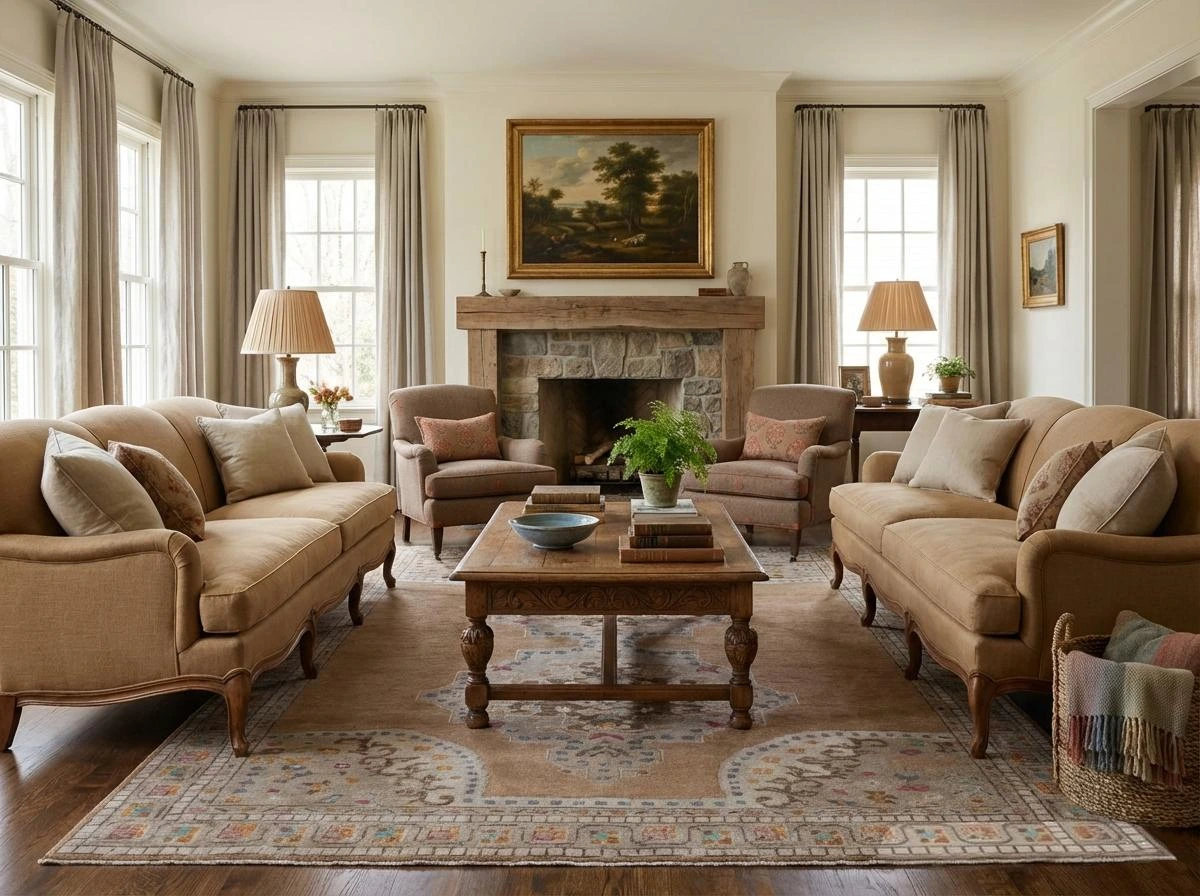
Symmetry can help create a sense of order. For example, chairs placed on either side of a fireplace can make the arrangement feel balanced. But the chairs do not have to match exactly. Similar size, color, or visual weight may be enough.
That difference is useful when choosing furniture. Traditional rooms can include pieces collected over time rather than bought as a matching set. The goal is for each item to feel at home in the room.

Details and proportions matter.
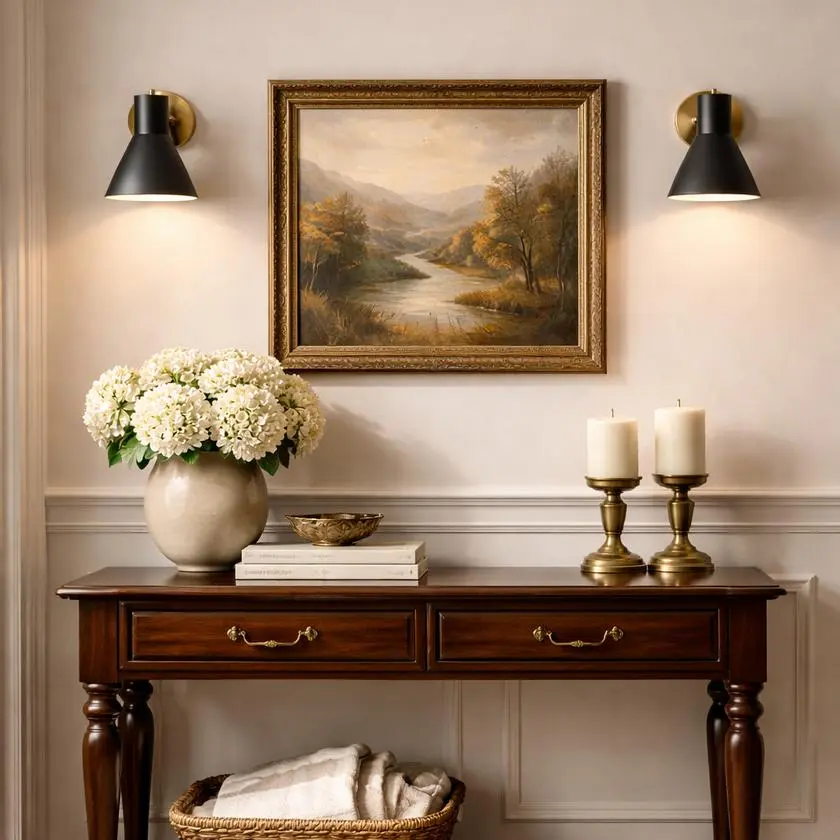
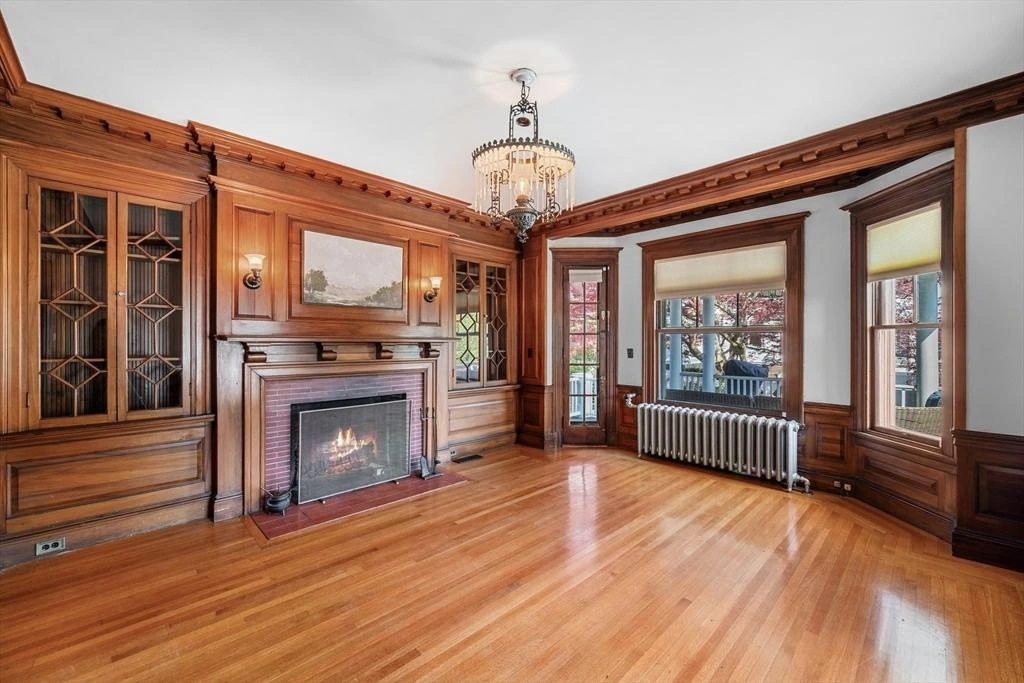
Look for furniture with shaped legs, curved arms, carved details, or defined silhouettes. Crown molding, paneling, built-in shelves, and detailed fireplace surrounds can also contribute to a traditional look.
These features are options, not requirements. In a home without decorative trim, the furniture and textiles can still establish the style. Pay attention to scale, too: a large carved chair may dominate a small room, while a simpler classic shape can provide a similar effect with less visual weight.

Traditional Furniture, Wood, and Patterns
Traditional interior design furniture often includes shaped silhouettes, visible detailing, and wood finishes. Examples include rolled-arm seating, wingback chairs, carved tables, and four-poster beds. These are reference points, not items every traditional room needs.

Before choosing a piece, consider its size and how it will be used. A formal-looking chair should still be comfortable for the person who sits in it. A large table should leave enough room to move around it.
Wood can add warmth and a sense of age. Darker finishes appear in many traditional interiors, but lighter wood can work too. The surrounding colors, flooring, and natural light all affect how a finish looks in a room.
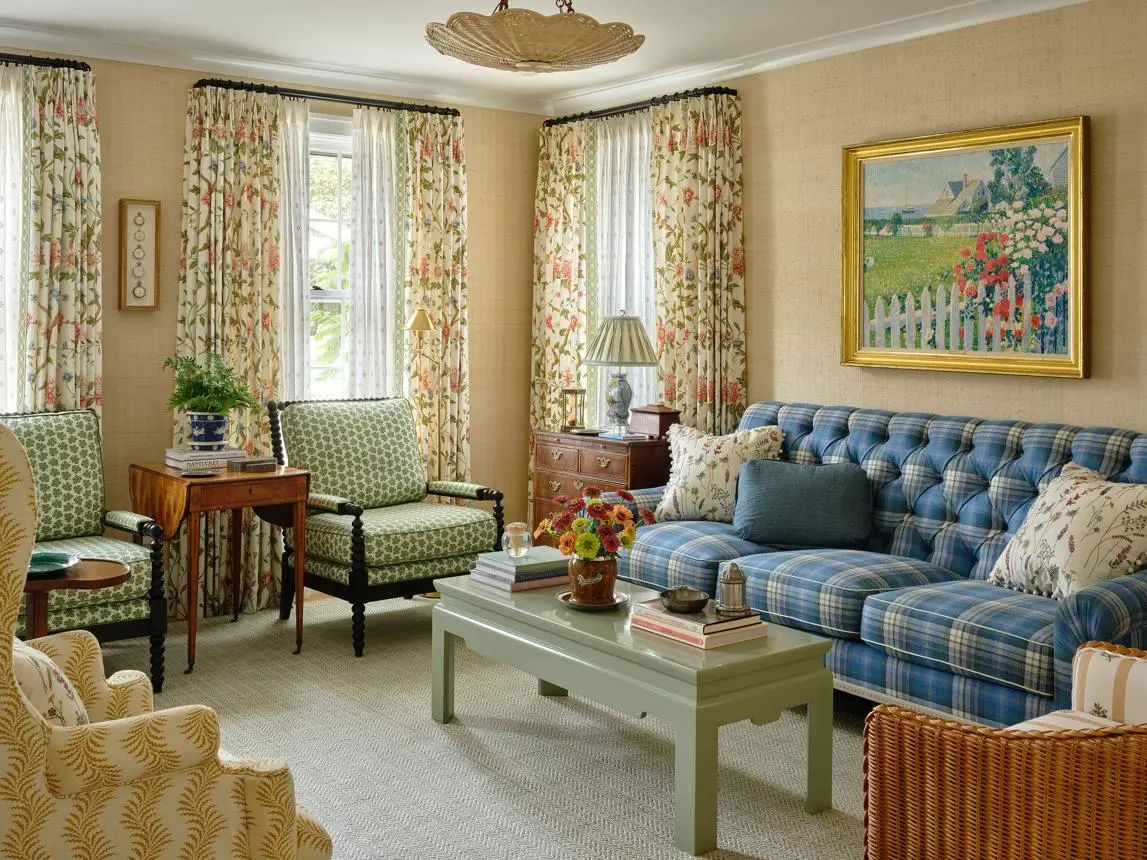
Patterns are another familiar feature. Florals, stripes, plaids, and damask can appear on upholstery.
ry, rugs, curtains, or cushions. If one large item already has a strong pattern, quieter fabrics nearby can keep the room from feeling crowded. You do not need every pattern to match; connecting colors or scale can help the pieces sit together.
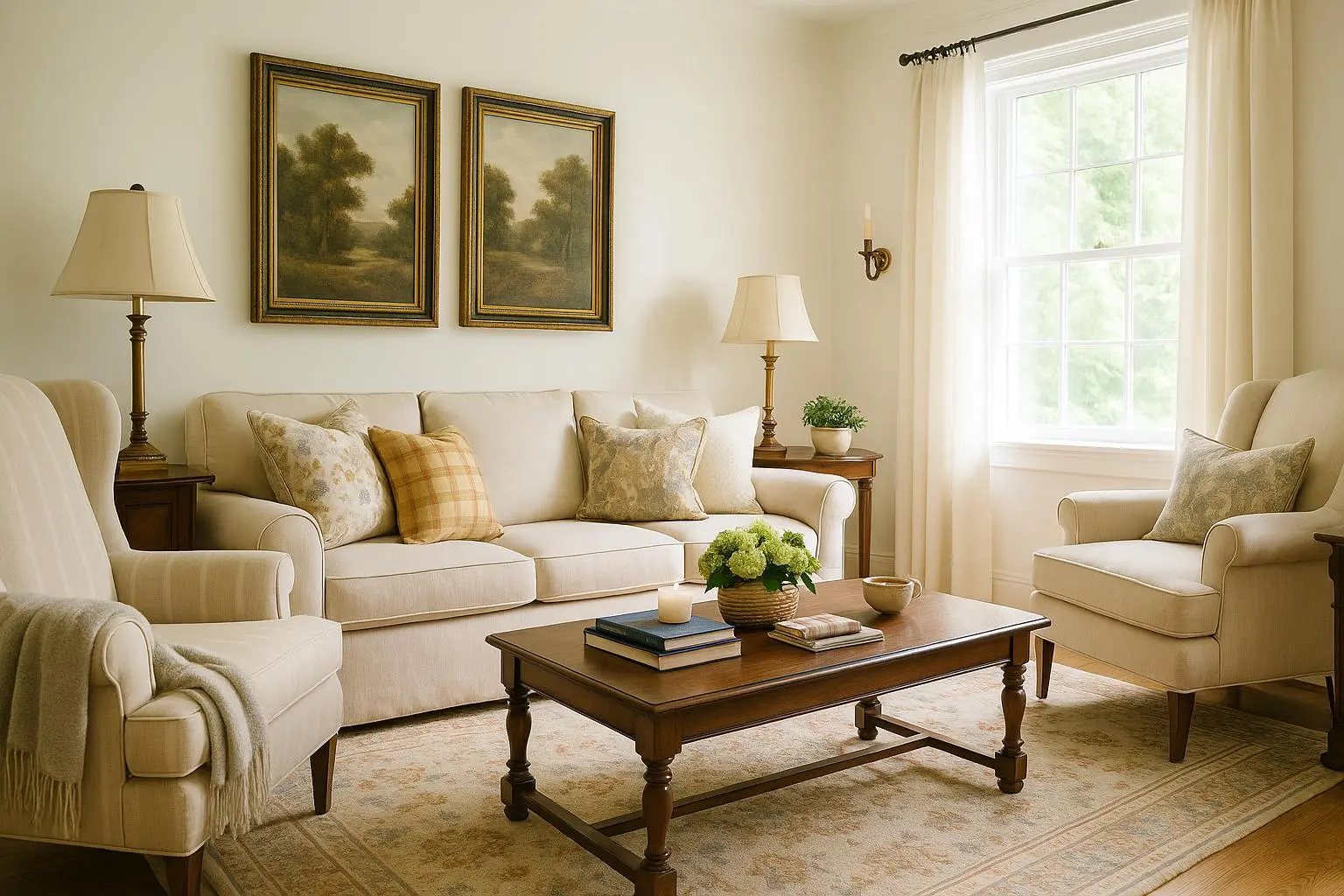
Patterns are another familiar feature. Florals, stripes, plaids, and damask can appear on upholstery, rugs, curtains, or cushions. If one large item already has a strong pattern, quieter fabrics nearby can keep the room from feeling crowded. You do not need every pattern to match; connecting colors or scale can help the pieces sit together.
Color, Lighting, and Textiles
A traditional interior design color palette can use soft neutrals, deeper shades, or a mix of both. Cream, beige, and gray can provide a quieter background, while navy, green, burgundy, or other richer shades can appear in smaller accents.
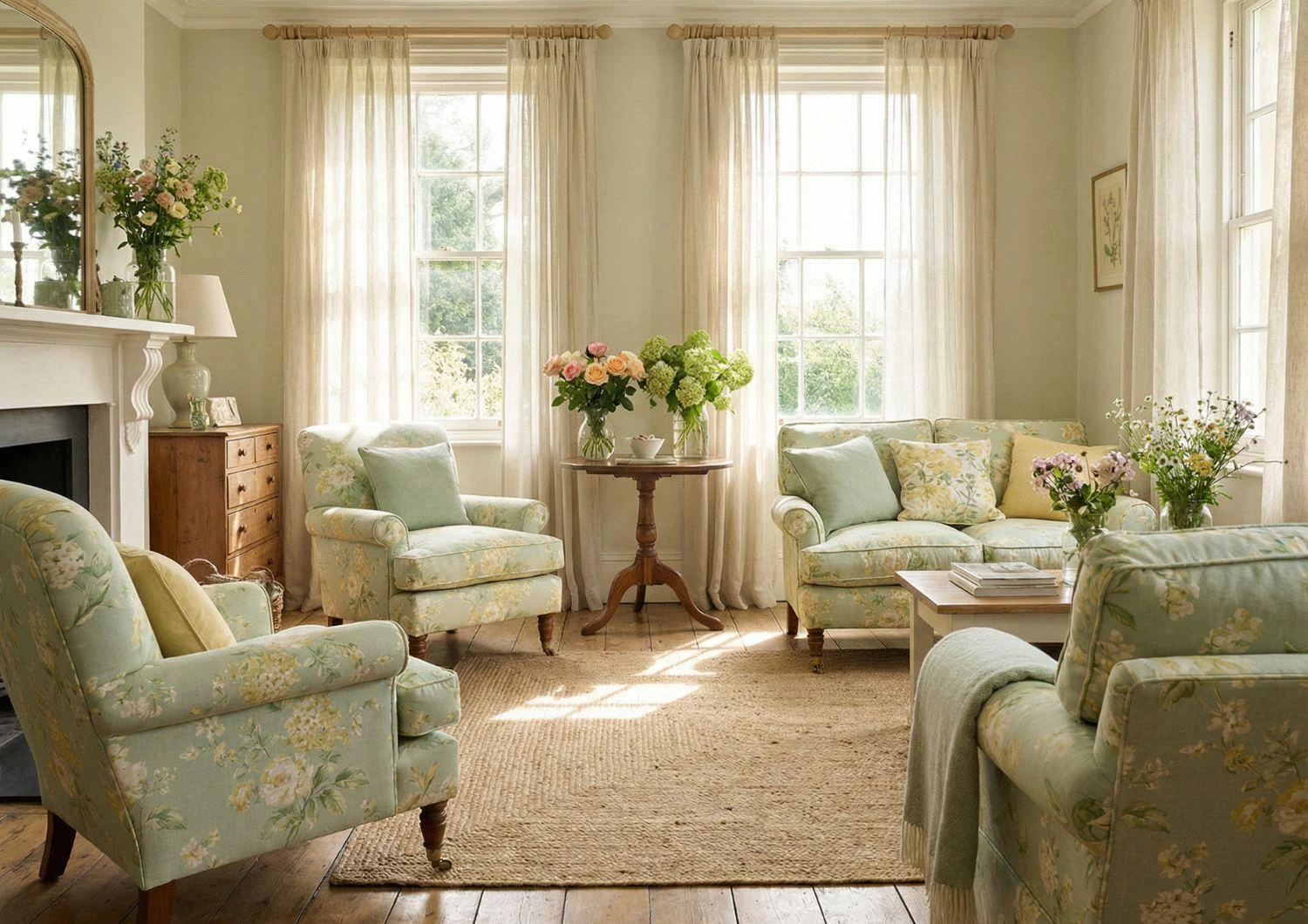
The right combination depends on the room’s light, existing finishes, and the mood you want. For more color combinations, see these neutral color palettes for interior design.
A traditional interior design color palette can use soft neutrals, deeper shades, or a mix of both. Cream, beige, and gray can provide a quieter background, while navy, green, burgundy, or other richer shades can appear in smaller accents.
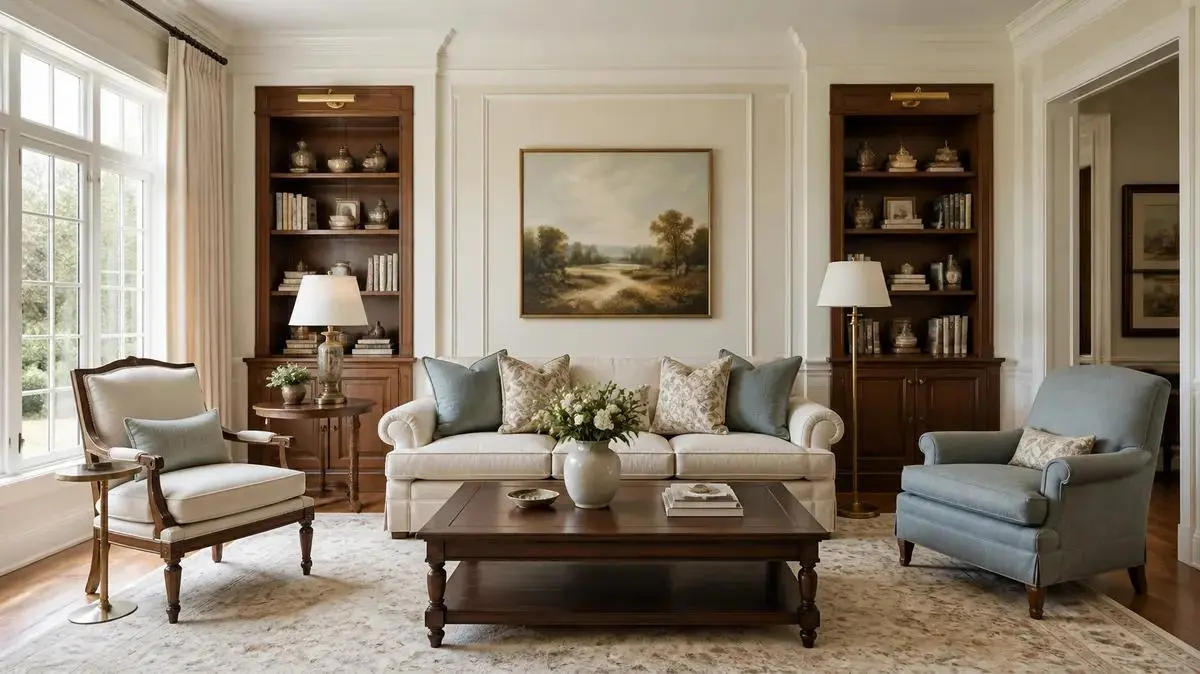
When choosing traditional interior colors, consider the room’s natural light, existing wood finishes, and the balance between dominant shades and smaller accents.
Lighting helps shape the room’s atmosphere. A chandelier, wall sconce, or table lamp with a classic form can complement traditional furnishings. Choose a fixture that suits the room’s size; an oversized light can overwhelm a compact space.
Textiles can add softness and pattern through curtains, upholstery, rugs, and cushions. Traditional window treatments do not have to be heavy or layered. Simple panels can work well, especially when the room already has detailed furniture or architectural features.
Traditional vs. Transitional Interior Design
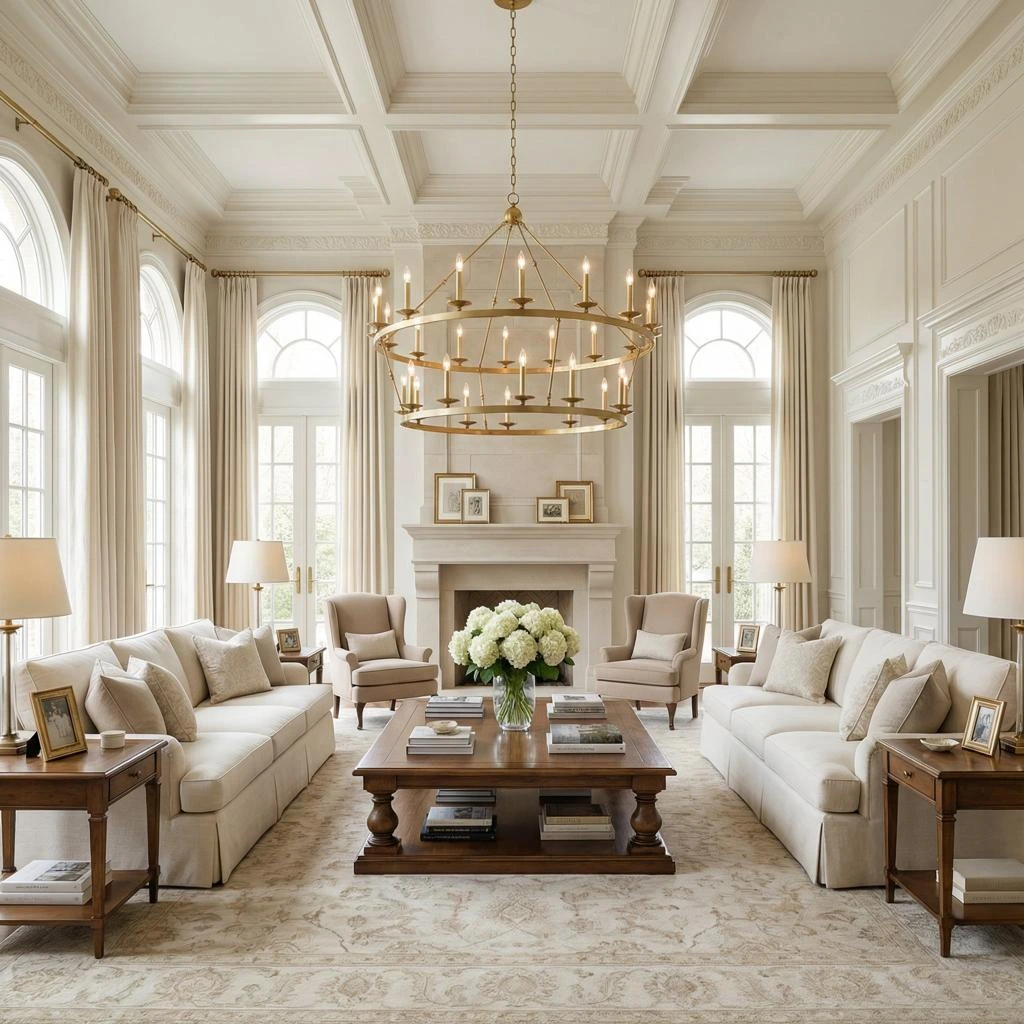
Traditional design leans more directly on classic and historical references. Transitional design combines some of those references with more contemporary shapes, finishes, or simpler styling. These labels are useful, but they are not strict rules.
| Feature | Traditional | Transitional |
|---|---|---|
| Main influence | Classic and historical references | A mix of classic and contemporary |
| Furniture | Often shaped or detailed | May pair classic pieces with cleaner lines |
| Patterns and details | Can include more visible ornament or pattern | Often uses a more restrained mix |
| Overall feel | Clearly classic in character | A blend of older and newer elements |
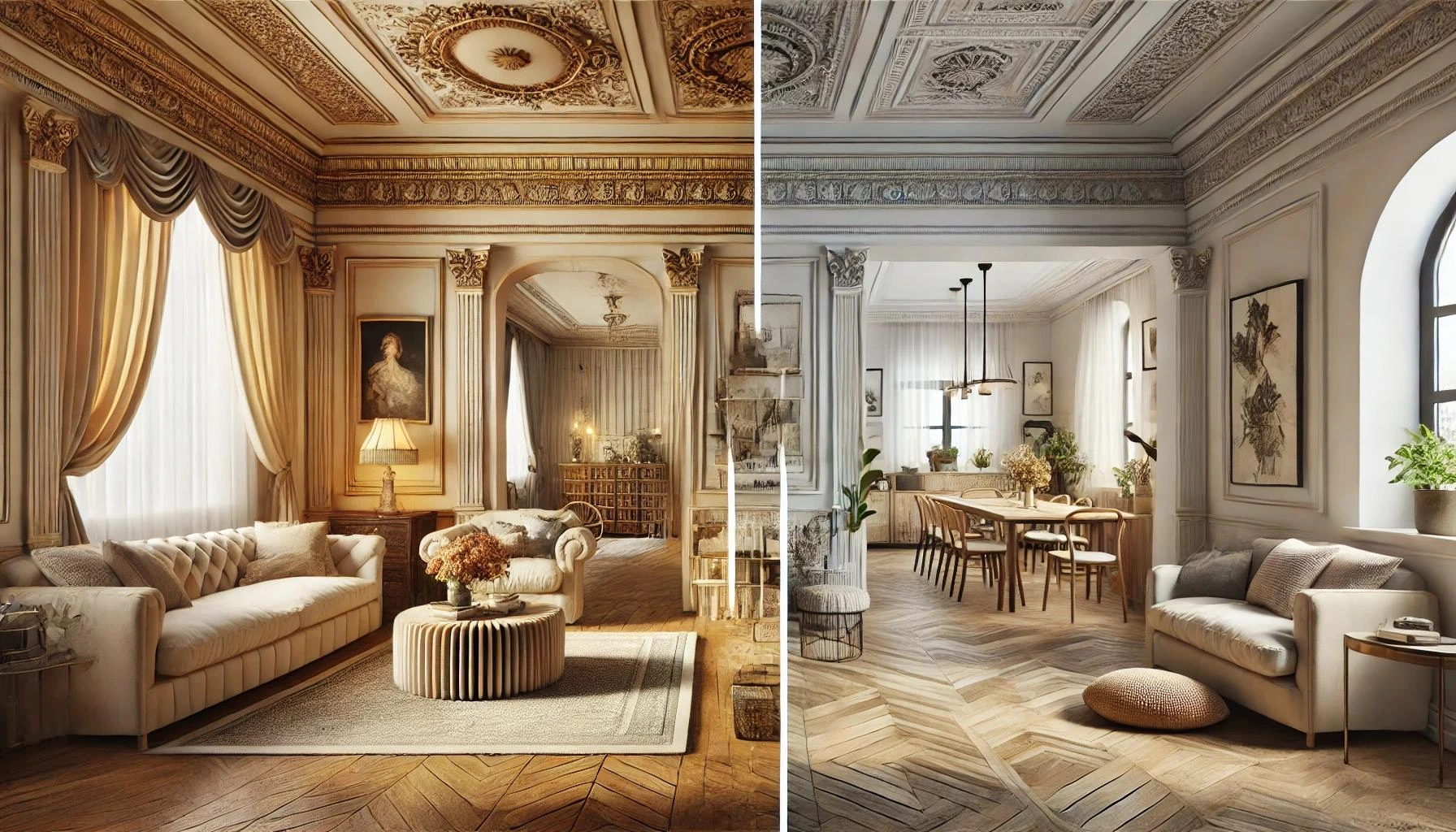
One modern lamp does not automatically make a traditional room transitional. Look at the room as a whole: its furniture, finishes, patterns, and mix of classic and contemporary pieces. You can browse more interior design styles explained or read about contemporary interior design.
How to Use Traditional Design in a Living Room
Traditional interior design for a living room can begin with a comfortable seating arrangement and one or two classic details. You do not need to fill the room with ornate furniture to make the style recognizable.
Start by noticing the room’s focal point, such as a fireplace, window, or media unit. Arrange seating so people can talk comfortably and move around without squeezing past furniture. A classic sofa or armchair can provide a traditional reference, while a simpler side table or lamp can keep the room from feeling overly formal.
A patterned rug can help connect the seating area. If the rug has a strong design, balance it with quieter upholstery or cushions. In a smaller room, consider fewer pieces with suitable proportions rather than several bulky items.

You can also work with what the room already has. Existing wood floors, trim, or built-in shelves may contribute to the look. If you are planning a compact space, these interior design ideas for small homes may help you think about scale and storage.
New Traditional Style: Classic Details with a Modern Feel
New traditional style is a contemporary interpretation of classic design. It keeps some traditional references, such as shaped furniture or decorative details, while allowing a more flexible mix of colors, patterns, and periods.
For example, a room could pair a classic armchair with a simpler table, or use a patterned rug with plainer curtains. These are choices, not rules. A modern accent can update a room without changing every traditional element.
The term “new traditional” is used in different ways, so focus on the room itself rather than trying to follow a fixed definition. If you have vintage or inherited pieces, these ideas for decorating with antiques in a modern home may help you combine them with simpler furnishings.

What to Check Before Renovating
Before replacing original woodwork, flooring, tile, or built-ins, check their condition and consider whether repair is practical. These features may add character, but keeping every detail is not always possible or right for every household.
Ask yourself three questions: What is original? What needs repair? What would changing it improve? A worn floor, for example, may need attention rather than immediate replacement, but the right choice depends on its condition and your needs.
If you are unsure, ask a qualified local professional to assess the feature before making a costly change. Preserving original details can be worthwhile, but safety, function, and maintenance matter too.
Traditional Interior Design FAQs
What is traditional interior design style?
Traditional interior design is a decorating style shaped by historical references, balanced layouts, classic furniture forms, and decorative details. A room does not need every traditional feature to fit the style.
What are the main characteristics of traditional interior design?
Common characteristics include balanced furniture arrangements, shaped or detailed furniture, wood finishes, decorative trim, patterned fabrics, and classic lighting. The exact mix varies from room to room.
Does traditional design mean using matching furniture?
No. A room can feel balanced without identical chairs, lamps, or tables. Pieces can differ and still work together through scale, color, or visual weight.
What colors are common in traditional interiors?
Traditional interiors may use soft neutrals, richer colors, or both. The palette depends on the room, its light, and the look you want; there is no single required color scheme.
What is the difference between traditional and transitional design?
Traditional design draws more directly on classic references. Transitional design blends classic elements with more contemporary shapes, finishes, or styling.
Can traditional interior design work in a new home?
Yes. Furniture, textiles, lighting, and selected details can bring traditional references into a newer home. The home does not need to imitate a historic building.
What is new traditional interior design?
New traditional design is a contemporary interpretation that combines classic references with more current choices. The term is flexible, so examples can differ.
Traditional interior design is less about owning a particular furniture set than creating a room where the details feel connected. Start with the pieces and features that suit your home, then consider how their scale, colors, and patterns work together.



Pingback: Best Materials for Industrial House Interiors: 12 Picks
Pingback: Yellow Bedroom Ideas: 15 Easy Looks That Feel Calm and Warm