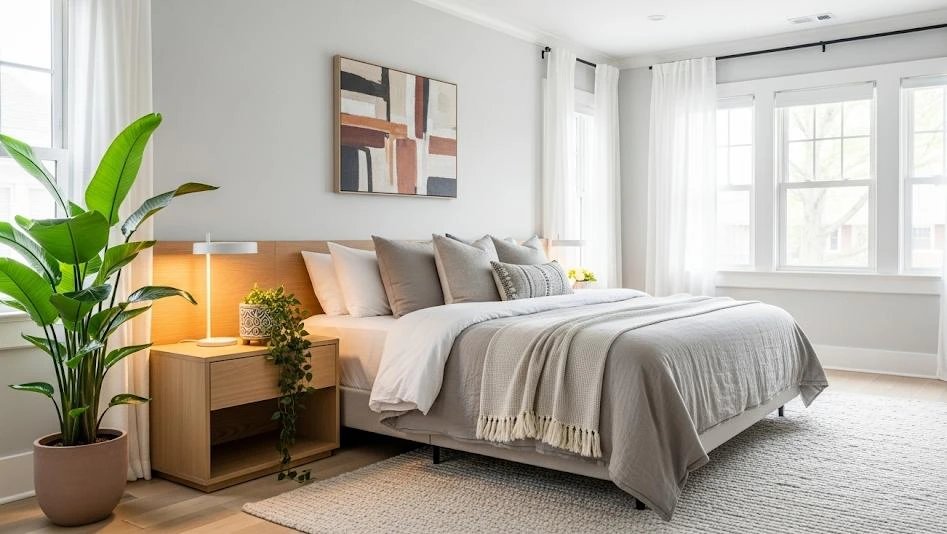

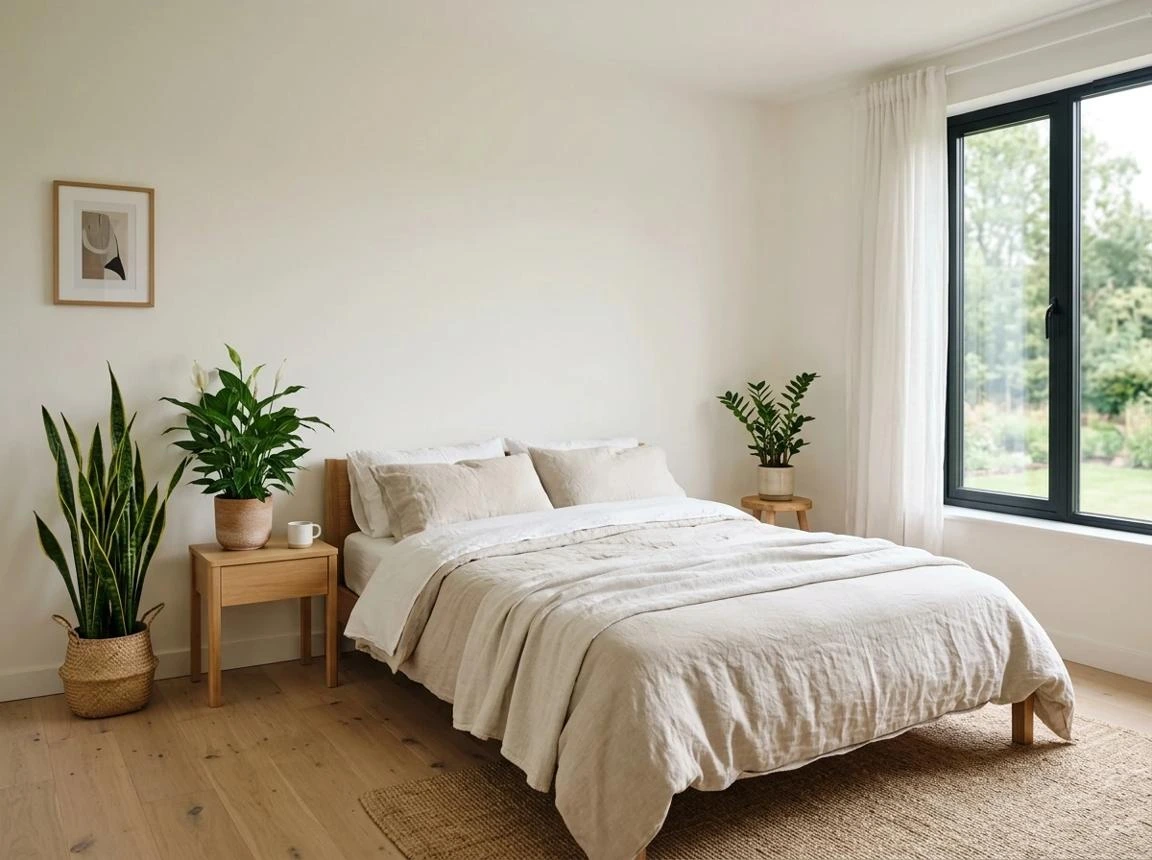
A bedroom does not need plants on every shelf to feel inviting. I would begin with one spot that gets suitable light and does not interrupt the way I use the room. A bedside table, dresser, or open corner can all work, but each needs a different size and shape of plant.
Bedroom decor with plants works best when the greenery suits both the room and your routine. This guide will help you choose a place, put together a display that fits your space, and avoid the practical problems that can make a nice-looking setup hard to maintain.
Table of Contents
Start With the Light and Space You Already Have
Before choosing a plant, look at the place where you want to put it. Does daylight reach that spot? Will the pot leave room for the things you use there? Can you lift the plant easily when it needs care?
I would check the spot at more than one time of day. The area beside a window may get morning light, while a shelf across the room may stay dim. That difference matters more than a label calling a plant “good for bedrooms.”
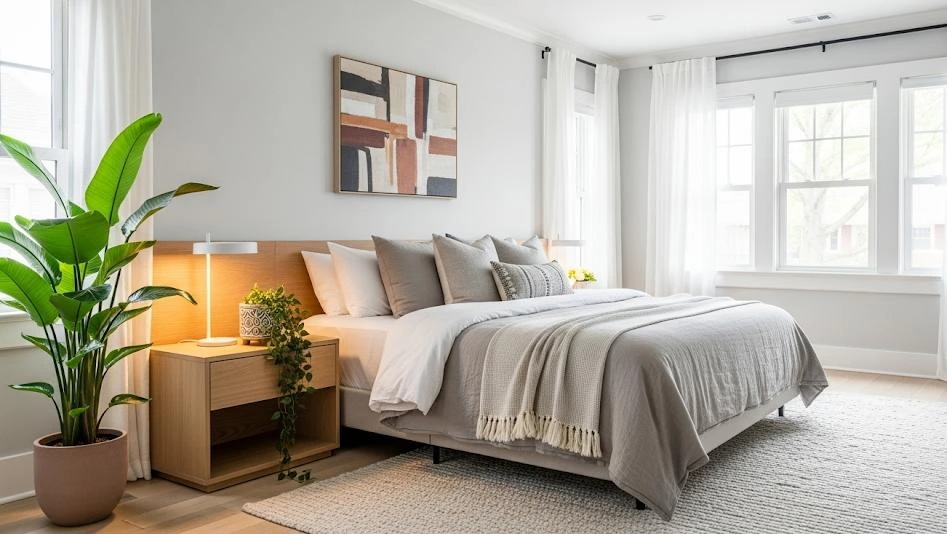
Space matters just as much. A pot on a bedside table should not crowd out the lamp or anything you reach for at night. A larger plant in a corner should leave a clear route around the bed. If a location fails either test, I would try another spot before buying a plant to fill it.
How to Decorate a Small Bedroom With Plants
In a small bedroom, one clear focal point usually works better than putting a pot in every spare gap. Imagine a dresser with an open end and a narrow path beside the bed. I would try a compact plant on the dresser first, rather than add a stand to the path.
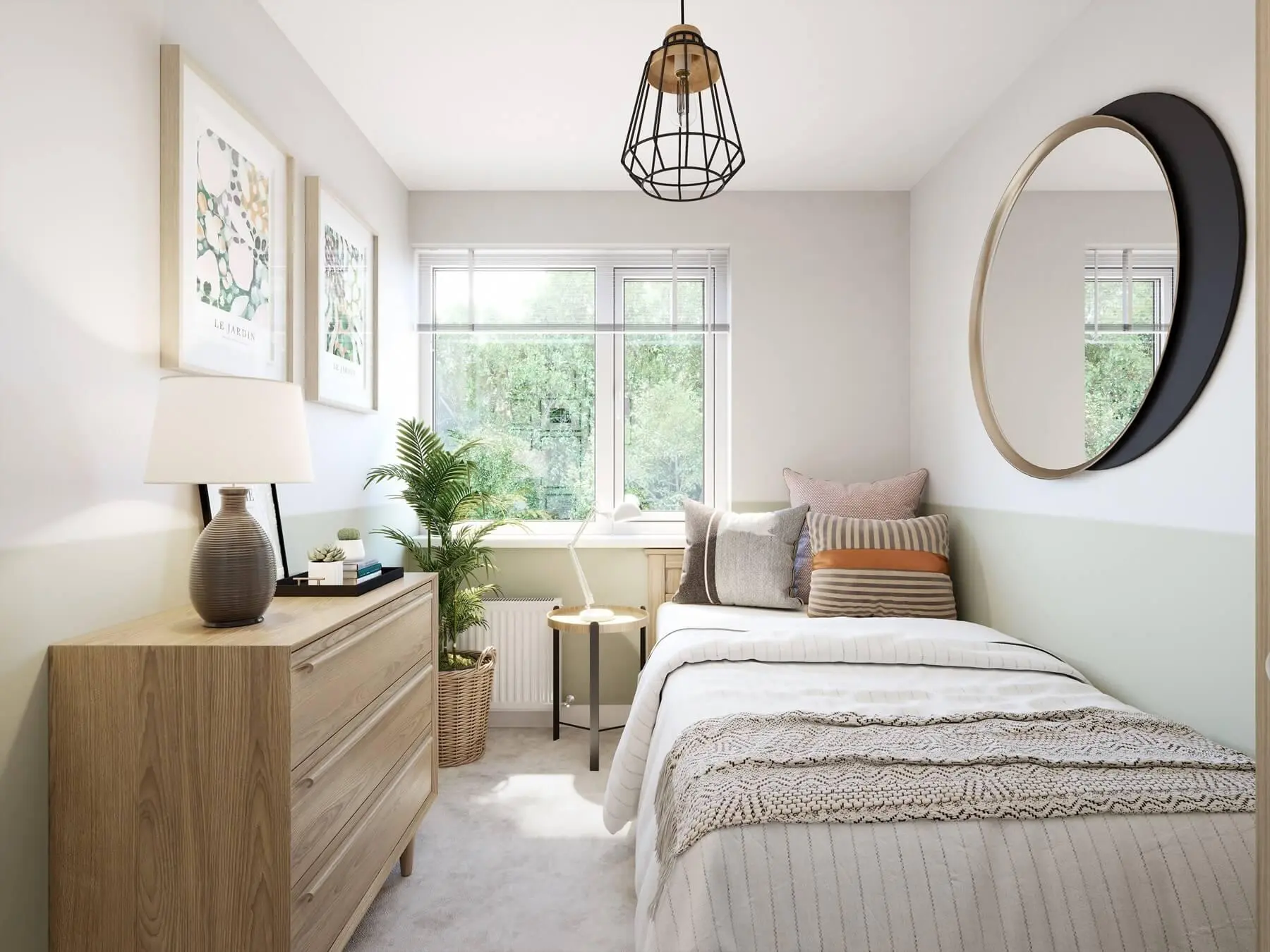
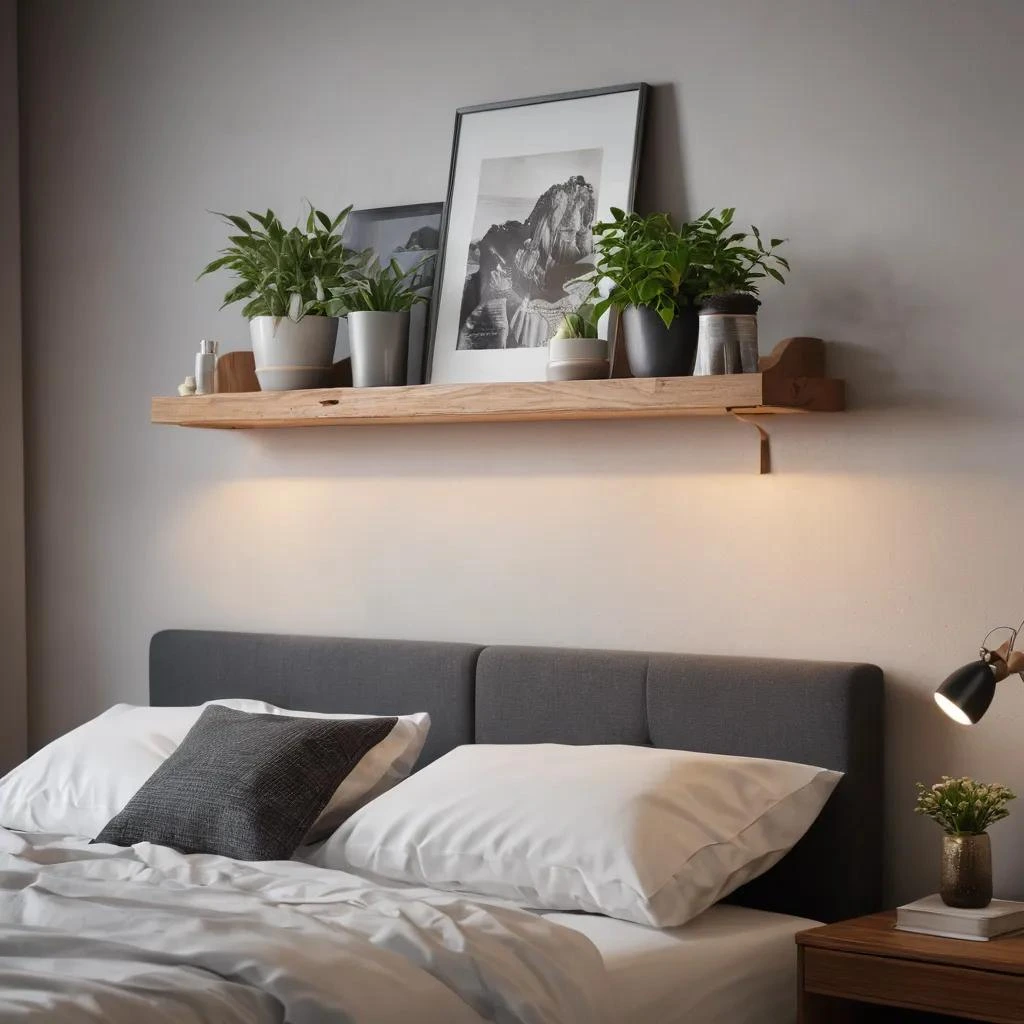
A shelf or hanging planter can save floor space, but only if the display is properly installed and easy to reach. Think about watering before choosing a high position. If you would need to stretch over the bed to remove the pot, that spot may create more trouble than it solves.
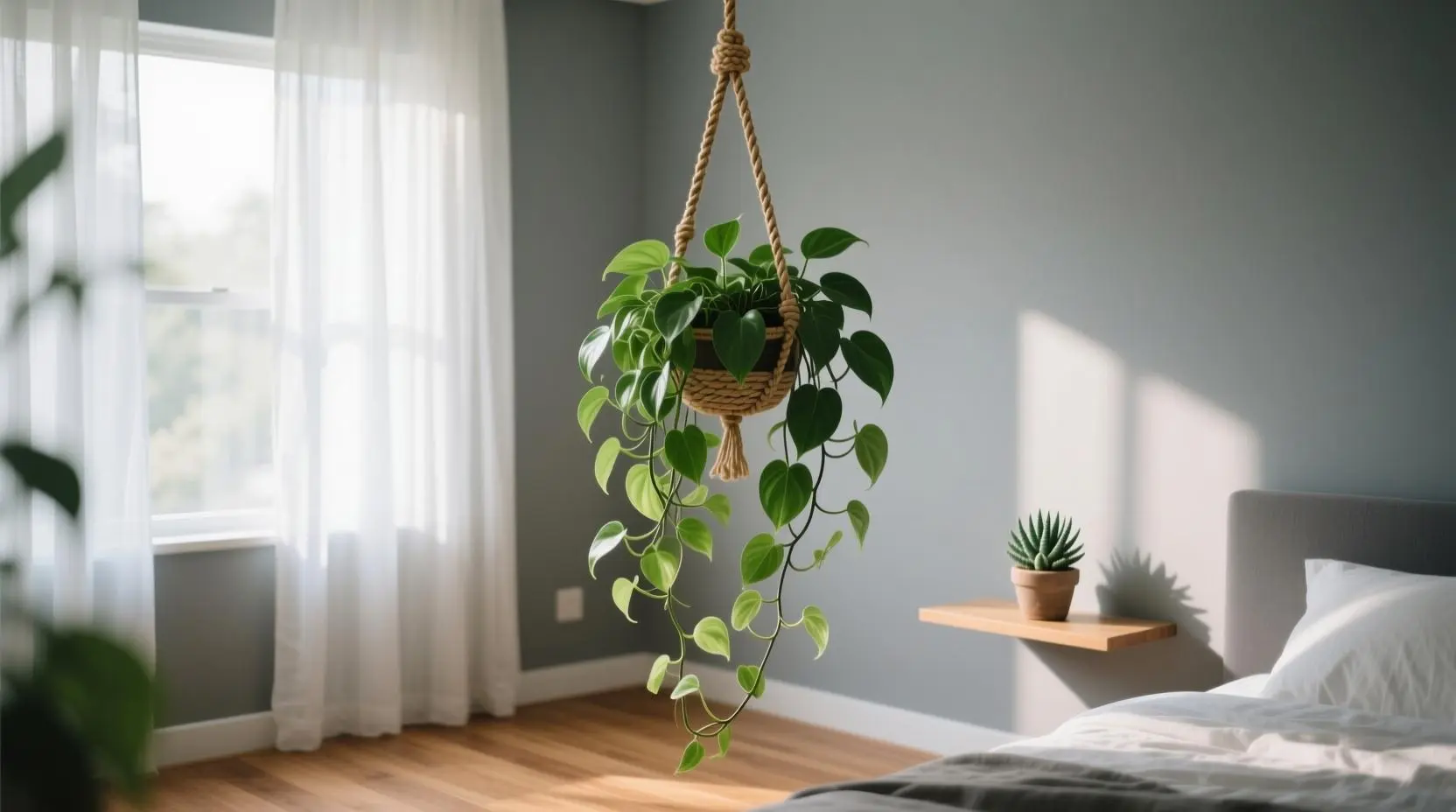
Stand in the doorway and look at the arrangement as part of the whole room. Can you still open drawers and move around the bed comfortably? Does the plant have enough space around it to be seen? If not, move the display rather than adding another piece of furniture.
The same space-saving approach applies beyond greenery. My guide to DIY room decor for small apartments has more ideas for making limited space work without filling every surface.
Where Should You Put a Bedroom Plant?
A good plant spot has suitable light, enough room, and easy access for care. The prettiest location in a photo will not be useful if the pot gets in your way or you cannot reach it to water it.
| Bedroom spot | When it may work | What to check first |
|---|---|---|
| Bedside table | You have open space beside the items you use every night | Is the pot stable, and is the surface protected from water? |
| Dresser | You want a visible display without using floor space | Can you still open drawers and use the mirror? |
| Windowsill | The plant’s light needs suit that window | Is the sill wide enough to hold the pot securely? |
| Shelf | Floor space is limited | Can the shelf and its installation support the pot, and can you reach it? |
| Corner | There is room for a larger plant | Does the corner get suitable light and leave the walkway clear? |
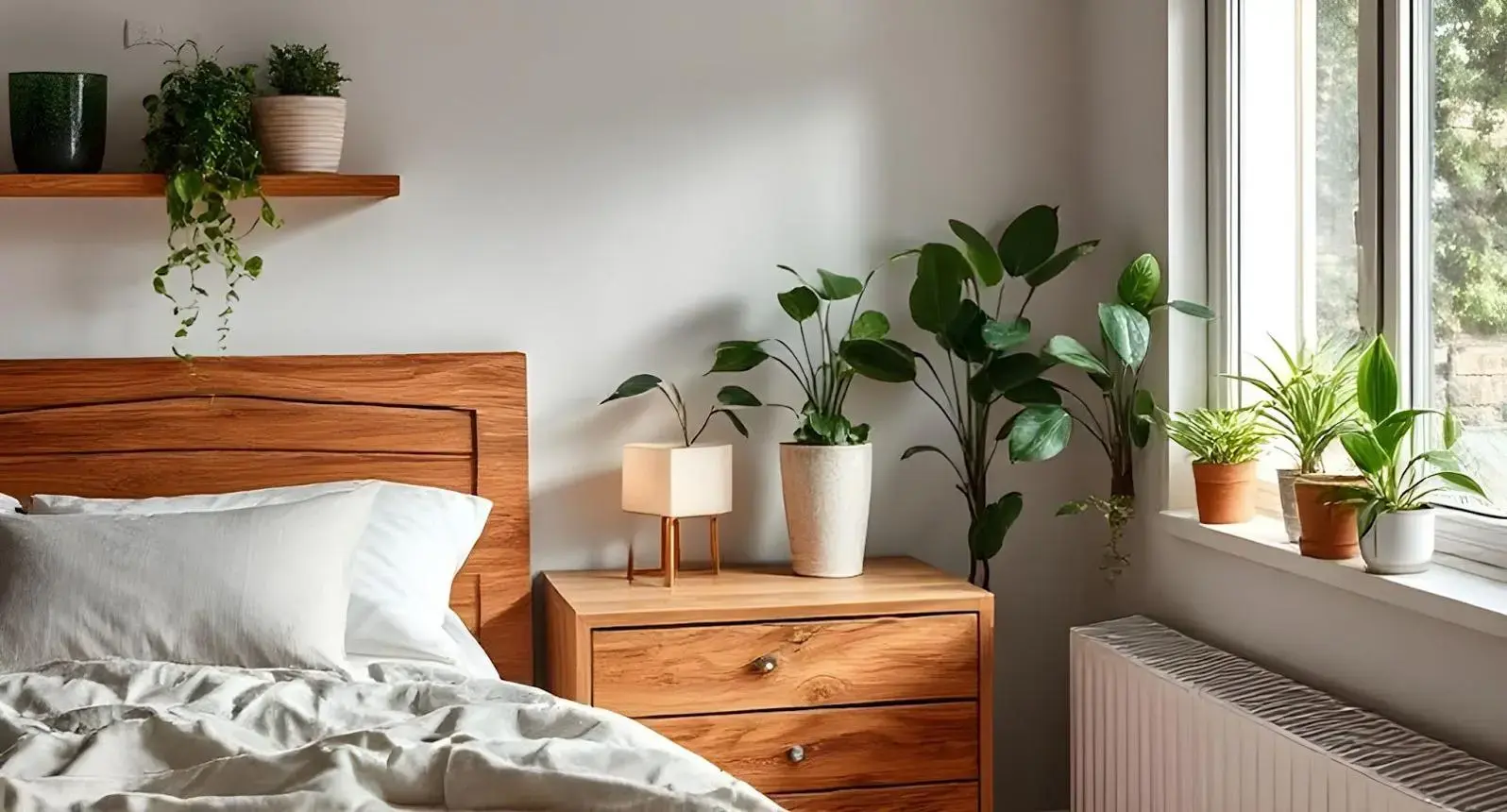
Bedside tables and windowsills
A small pot can look at home beside a lamp if the table has room to spare. I would leave space between the pot and anything I need to pick up in the dark. If pets can reach the table, check the exact plant’s safety before putting it there.
A windowsill offers a different opportunity. It may provide useful daylight, but its width and the type of light still matter. A pot that barely fits is easy to disturb, and a plant that prefers gentler light may not suit a window that receives strong direct sun.
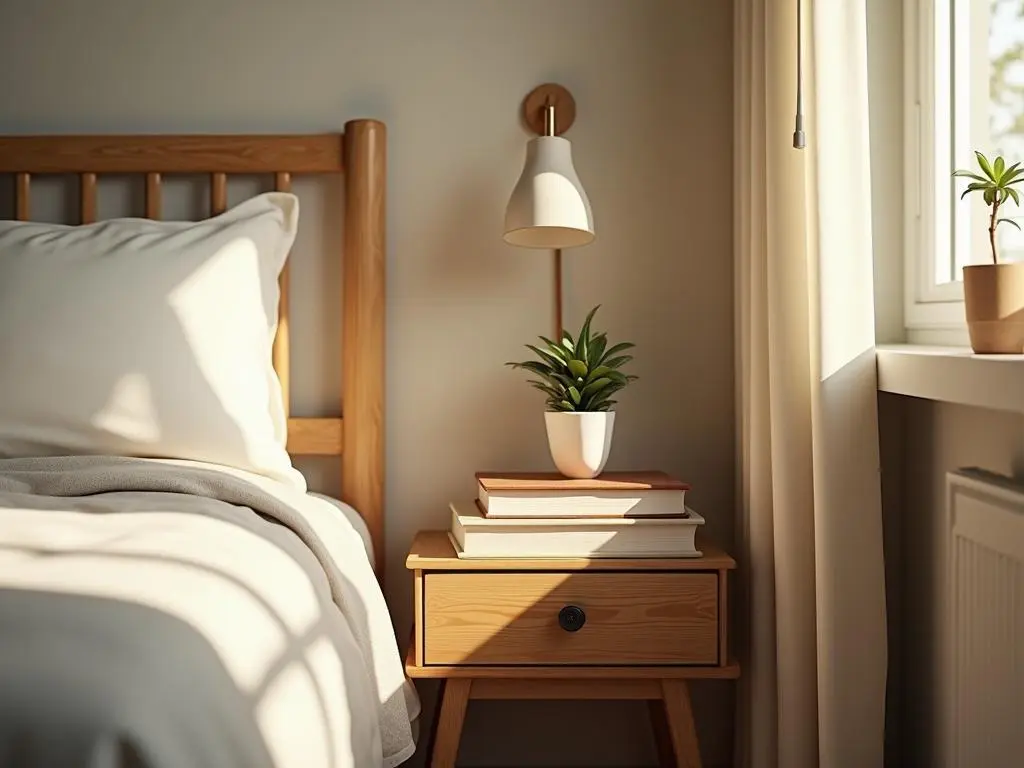
Shelves and corners
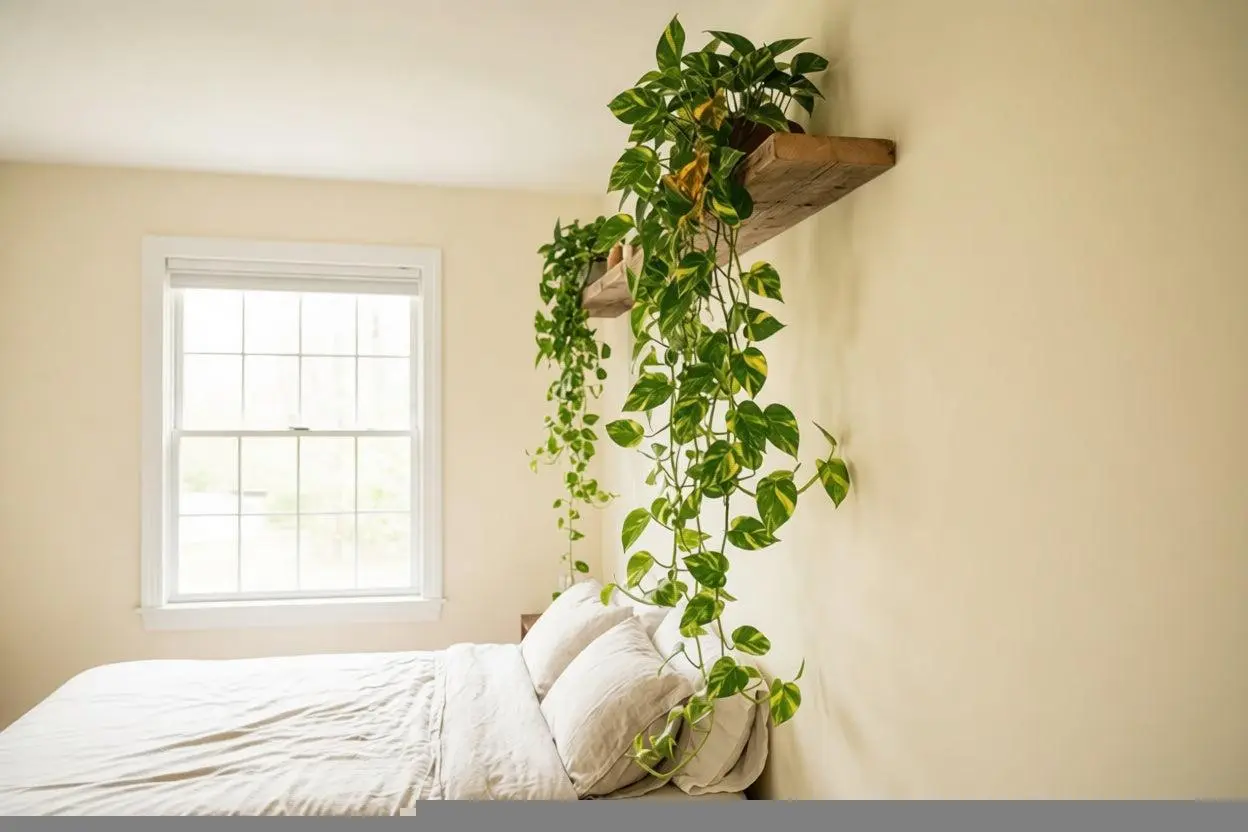
Shelves can bring leaves into view without taking up floor space. Leave room to remove the pot for care and protect the surface beneath it. A corner can hold a larger shape, but I would not choose it until I know the plant can get the light it needs there.
These choices give you bedroom decor ideas with plants that fit an actual room, rather than a list of places to fill.
What Alina’s Repurposed Plant Stands Show
In Alina’s bedroom tour, a former baby changing table holds plants, and a painted chair has become part of her display. The useful idea is not that everyone should turn a chair into a stand. It is that furniture you already own may help you give plants a place that looks intentional.
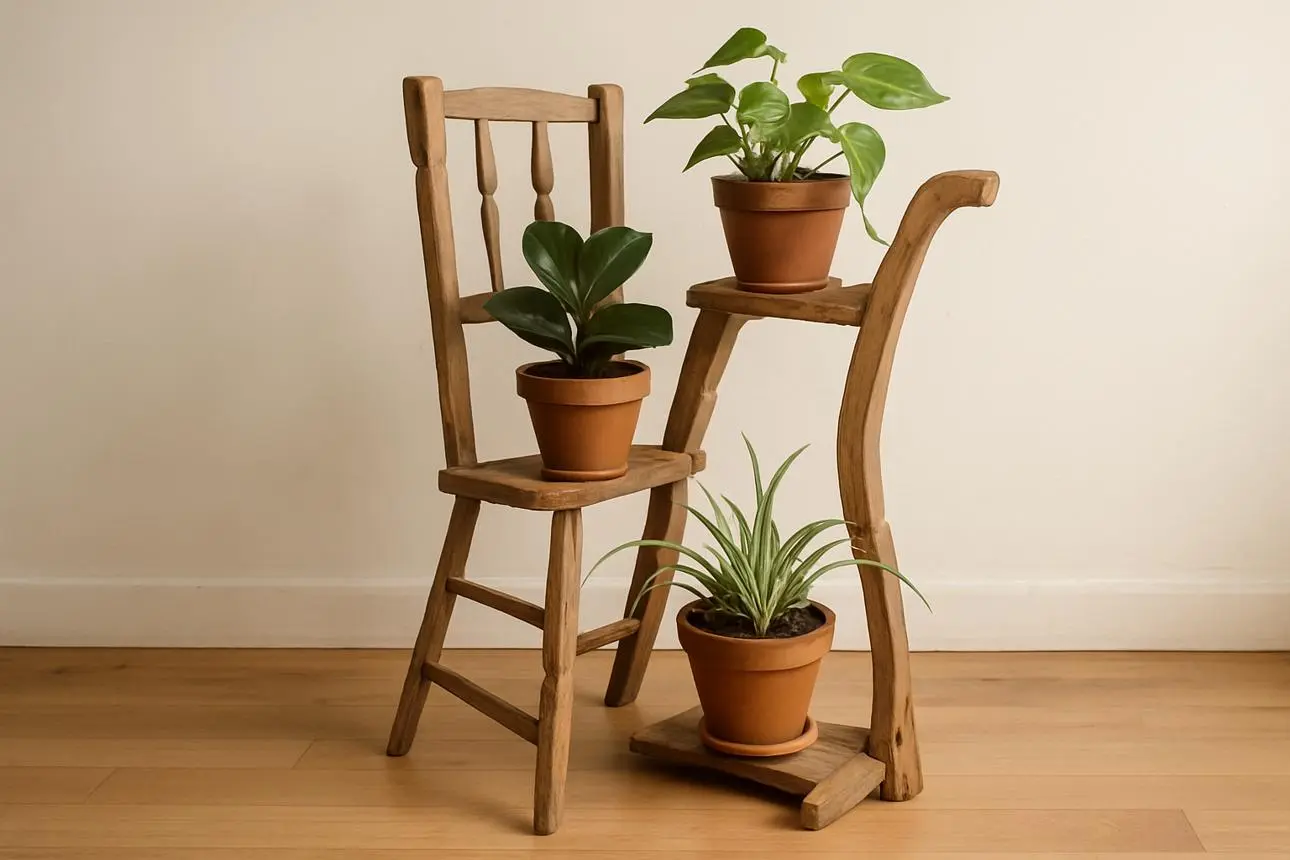
Before reusing a piece, I would check whether it sits firmly and has enough surface area for the pots. I would also think about water. A tabletop that suits books or clothing may need protection beneath a plant pot.
Her room uses different heights, which keeps the display from looking like one flat row. You can borrow that visual idea on a smaller scale. For example, one plant on a suitable low surface and another on a properly installed shelf may create contrast without filling the room.
Alina’s setup is her experience, not a safety test for every changing table, chair, or shelf. Check the furniture and installation in your own room before adapting it.
One Statement Plant or a Layered Green Corner?
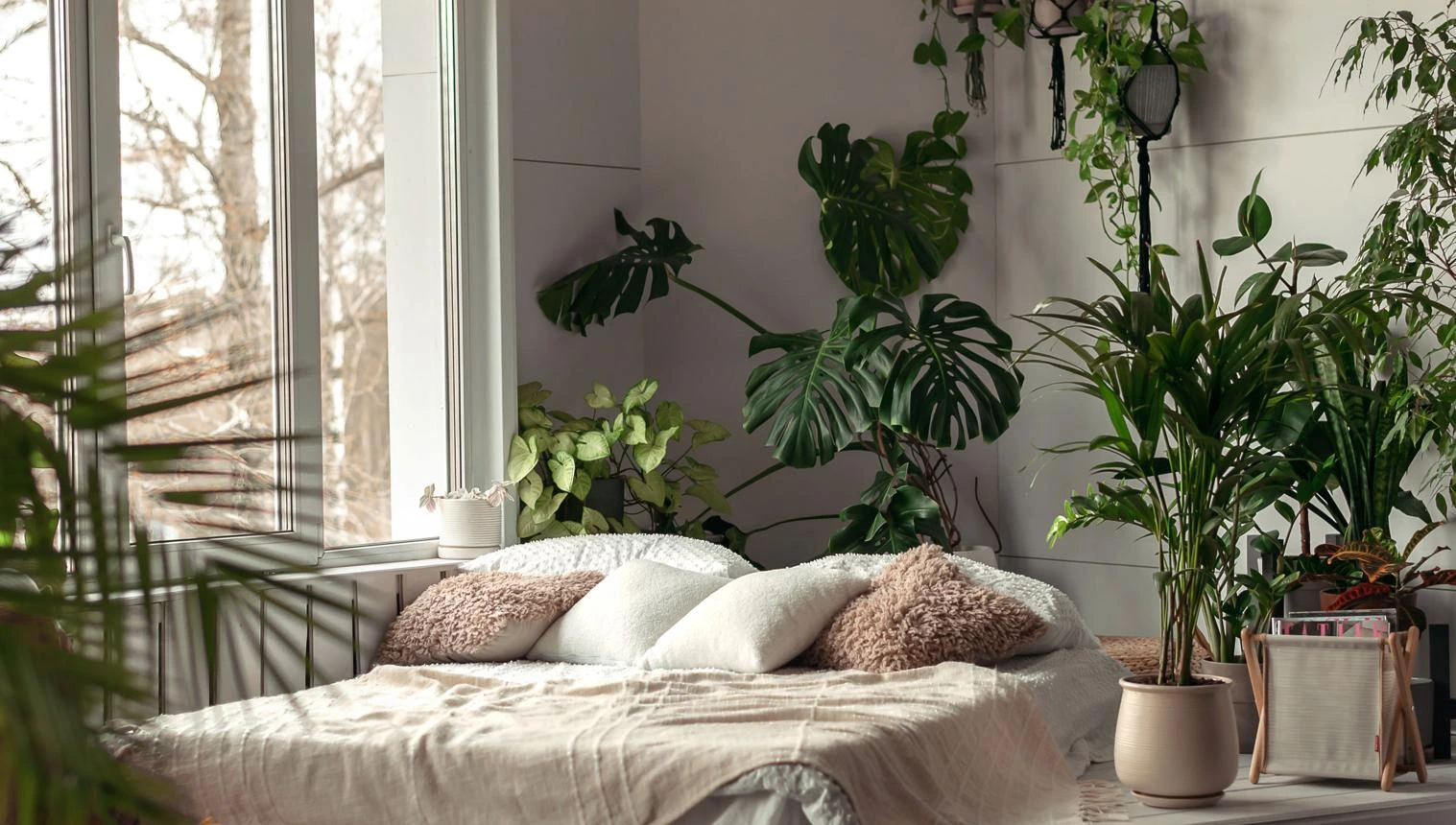
A single plant gives the eye somewhere to rest. A layered corner creates a fuller look, but it needs more space, more suitable locations, and more plants to care for. I would choose between those looks based on the room, not on which photo seems more impressive.
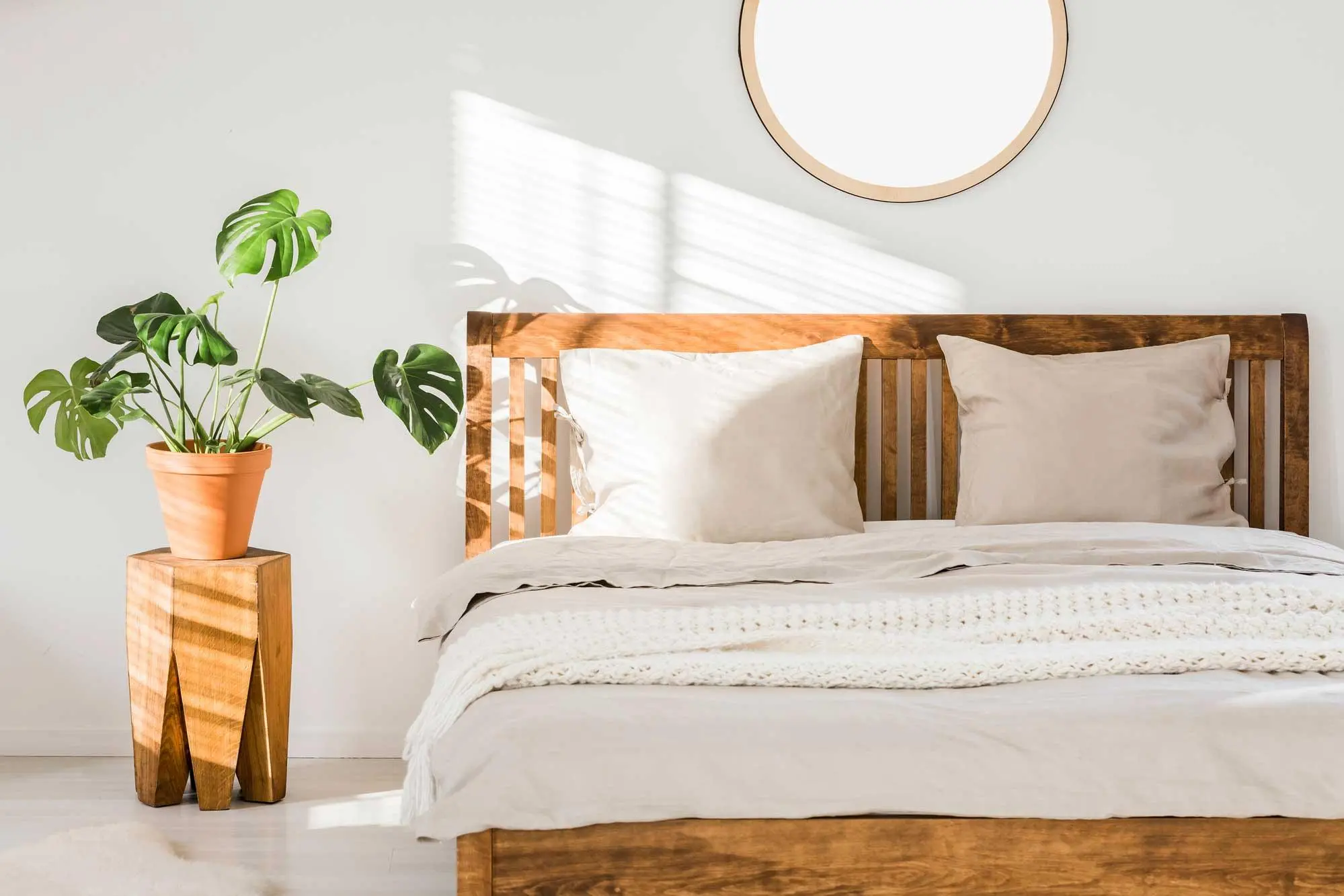
The video examples you shared show both directions. Alina combines plants at different heights with wood, rattan, terracotta, books, and colorful bedding. The minimalist styling guide favors fewer plants and quieter planters. Both can look considered when the display fits its surroundings.
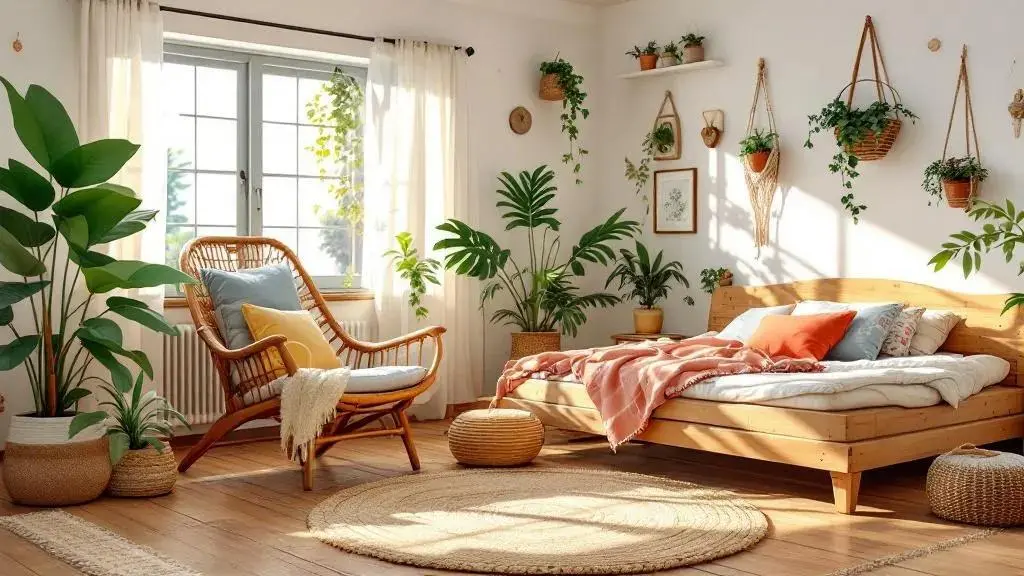
Look at what already brings color into your bedroom. If your bedding has a strong pattern, simple pots may give the room some breathing room. If most of the room is neutral, a planter with a little color or texture may be enough to draw attention. My guide to a neutral color palette in interior design can help you think through that balance.
I would arrange one plant, then look at the room from the doorway before adding another. Leave some of the shelf or tabletop visible so the display does not disappear among other objects.
What If Your Bedroom Gets Little Daylight?
A plant that tolerates low light still needs usable light. I would not put a living plant in a corner that stays dark throughout the day and expect a “low-light” label to solve the problem.
Check where daylight reaches the room, then compare that location with the care guidance for the exact plant you want. A spot near a window and a shelf on the opposite wall may look equally attractive, but they do not offer the same conditions.
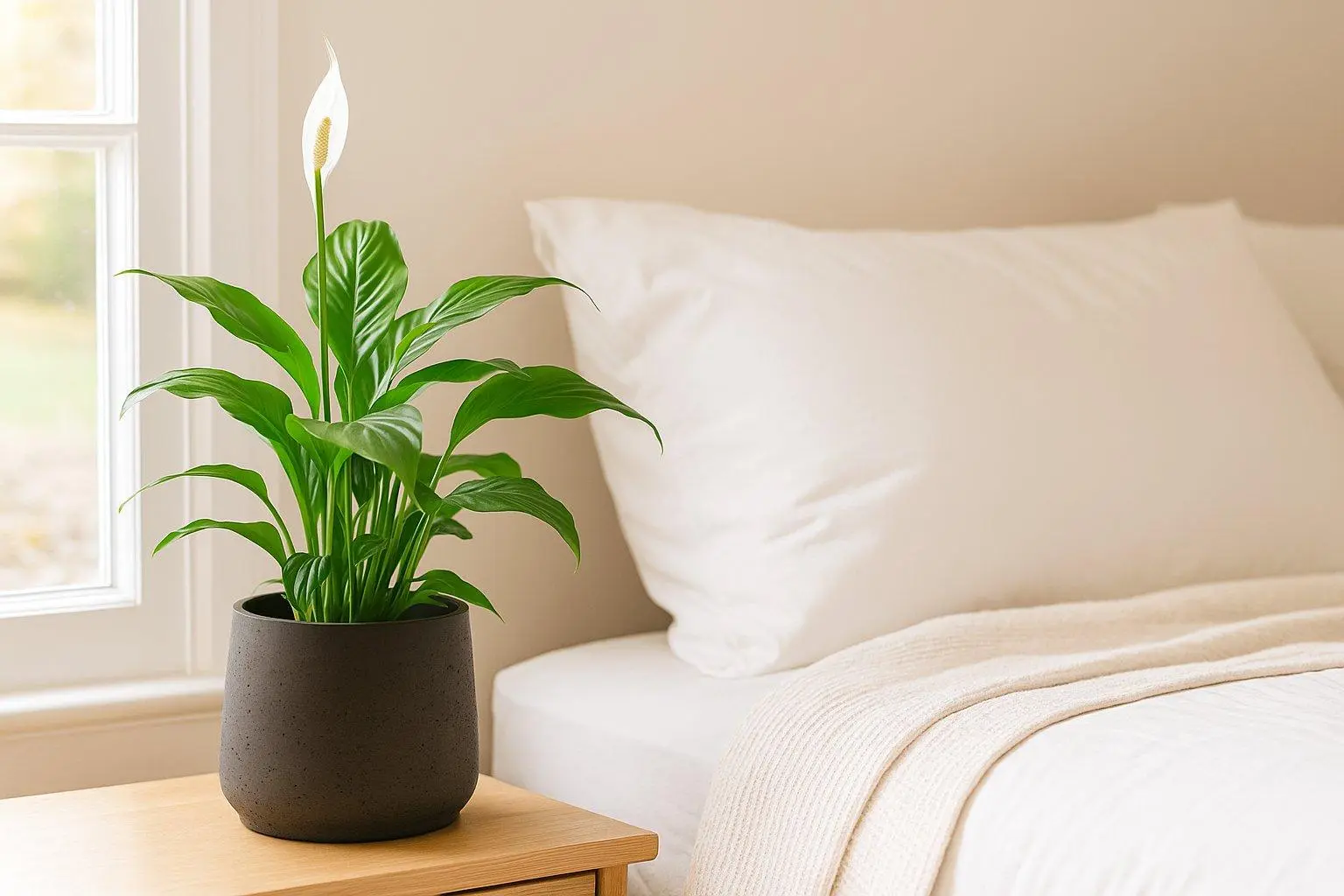
If a corner receives too little usable light for a living plant, an artificial plant can provide the look without the same growing requirements. I would use that option for the difficult spot and save living plants for places that meet their care needs. Choose a size and planter that fit the room so it looks like part of the decor, not an object placed there merely to fill a gap.
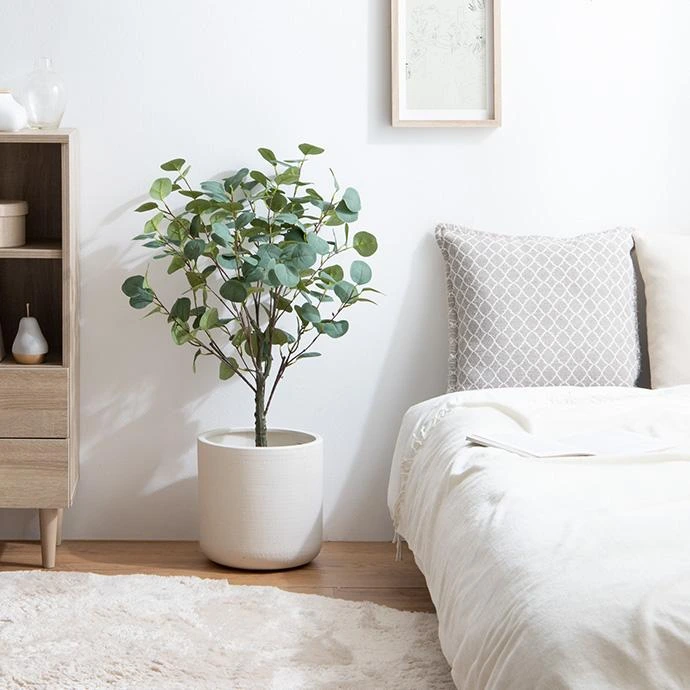
Alina’s tour mentions morning light from east-facing windows. That detail helps explain her display; it does not mean the same plants will suit a bedroom with different windows.
Keep Plants Clear of the Bedside and Walkway
A display should still work when you move around the bedroom at night. Before settling on a floor stand, check the route around the bed. Before putting a pot on a shelf, check whether it can sit securely and whether you can remove it without difficulty.
Alina’s custom shelves have bars intended to help keep pots in place. That is a reminder to think about stability, not proof that every shelf with a bar can hold a heavy planter. Follow the instructions for the shelf and hardware you actually use.
Water needs a plan too. Use a pot setup that suits the plant’s drainage needs, protect the surface beneath it, and move the pot to an easier place for watering if nearby furniture or bedding could get wet.
If pets share the room, check the exact species against a reliable pet-safety listing before placing it within reach. Similar common names can refer to different plants. I would not guess from the name on a shop label alone.
Can a Few Bedroom Plants Really Clean the Air?
I would choose bedroom plants for the way they look and for the enjoyment of caring for them, not on a promise that a few pots will clean the room’s air. Findings from controlled tests do not automatically tell us what a small plant display will do in an ordinary bedroom.
That distinction does not make plants less appealing as decor. Leaves can soften the edge of a shelf, give an empty spot a clear shape, or bring natural color into a room. You can judge those benefits by looking at how the arrangement works in your own space.
I would also avoid buying a bedroom plant because of a promised nighttime oxygen or sleep benefit. A claim about how a plant functions is not, by itself, proof that one pot beside a bed will make a noticeable difference.
What Plants Should You Have in Your Bedroom?
There is no single plant that suits every bedroom. I would choose by light, available space, care needs, and household safety, then think about the shape that looks right with the furniture.
An upright plant may suit an open floor spot without spreading across a tabletop. Trailing leaves can soften a shelf, provided they will not catch on a door, curtain, or items below. A compact form may fit a dresser where a larger plant would crowd the surface.
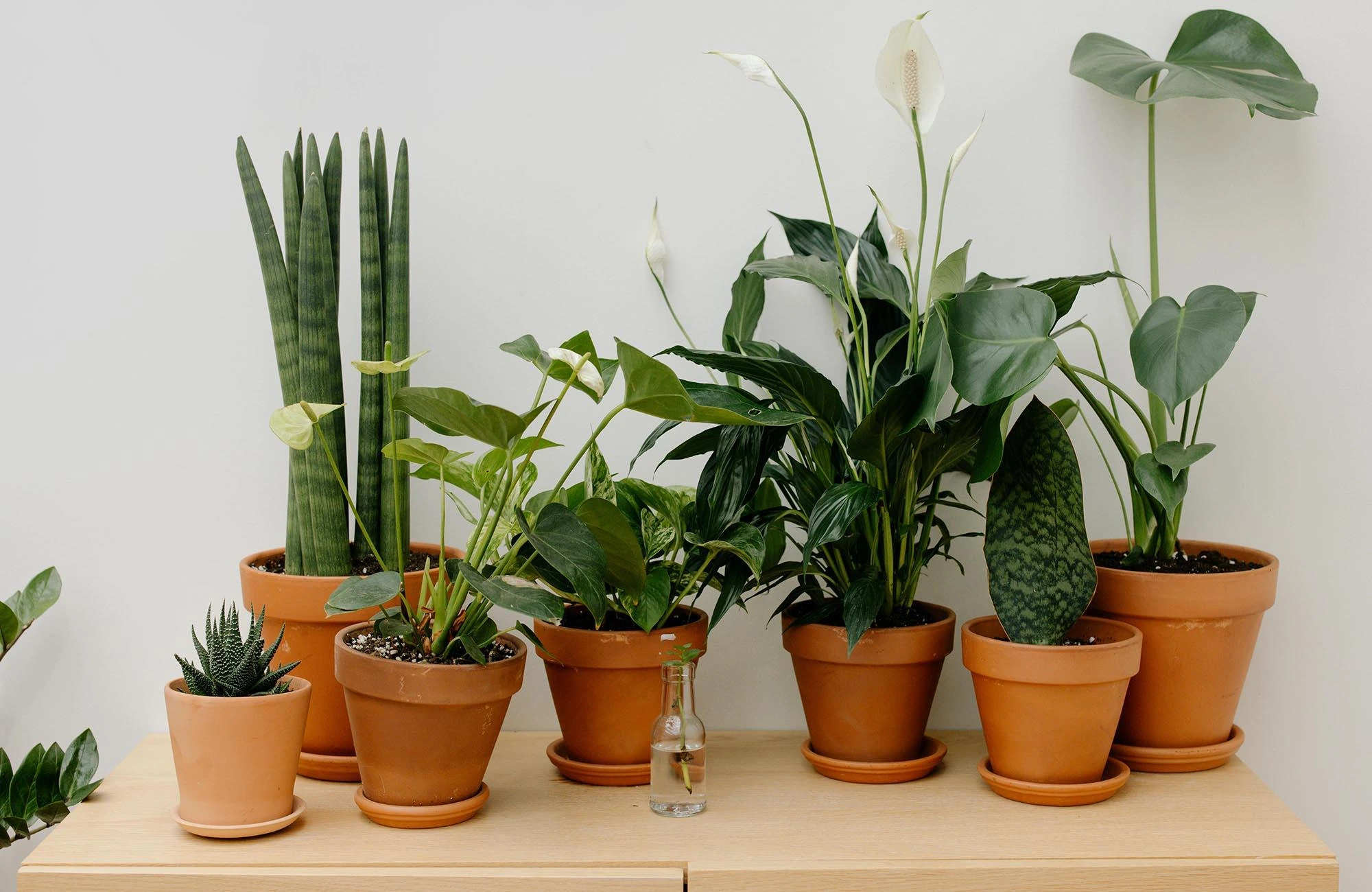
Check more than the plant’s size in the shop. Find out how much space it may need as it grows and whether the proposed spot matches its care guidance. If pets can reach it, verify the exact species before bringing it home.
The planter is part of the decision. A simple terracotta pot can sit comfortably beside wood or rattan, while a quieter finish may suit a room with colorful bedding. I would choose the plant and pot together, without letting the planter’s appearance override the plant’s growing needs.
Put Your First Bedroom Plant Setup Together
Start with one location that passes three checks: suitable light, enough room, and easy access for care. Then choose a plant whose needs you have checked and give its pot a stable place.
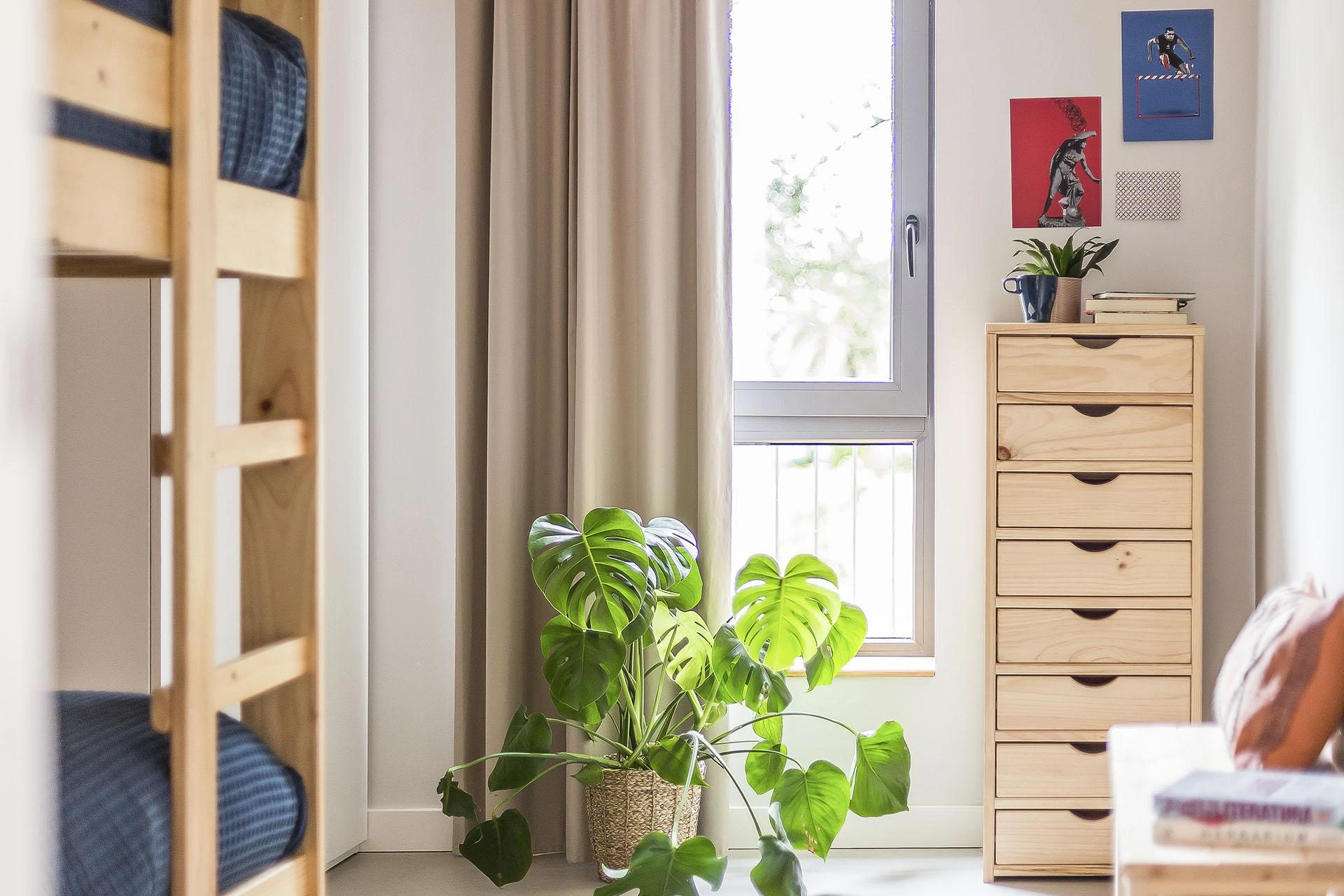
Live with the arrangement before adding another plant. Notice whether you can still use the nearby furniture, reach the pot comfortably, and move around the room without avoiding the display.
If the pot blocks a drawer, crowds the lamp, or is difficult to water, move it before buying a second one.
Frequently Asked Questions
Where should I put my first bedroom plant?
Choose a spot with suitable light, a stable surface, and easy access for care. An uncrowded dresser or bedside table can be a practical starting point, but check the conditions in your own room first.
How many plants should I have in a bedroom?
There is no fixed number. Start with one plant in a suitable spot, then decide whether the room has space and light for another. A display that makes drawers, walkways, or daily care awkward has grown beyond what that spot can comfortably hold.
Can a plant live in a bedroom with no natural light?
Do not assume a plant labeled “low light” can live without usable light. Check the exact plant’s requirements. If the spot cannot meet them, choose another location or consider an artificial plant for that part of the room.
Should I hang a plant above my bed?
I would choose another position unless I could confirm that the installation can support the pot and that I can reach it safely for care. A hanging display should not create a difficult watering job or put a pot in an inconvenient position.
Will a bedroom plant improve my sleep by releasing oxygen at night?
I would not choose a plant based on that promise. Pick one that suits the room’s conditions and adds something you enjoy to the decor, rather than expecting a noticeable sleep benefit from a pot beside the bed.
How do I choose plants if I have pets?
Check each plant’s exact species against a reliable pet-safety listing before buying or placing it. If you cannot confirm the plant, do not assume that putting it on a shelf will keep a curious pet from reaching it.