
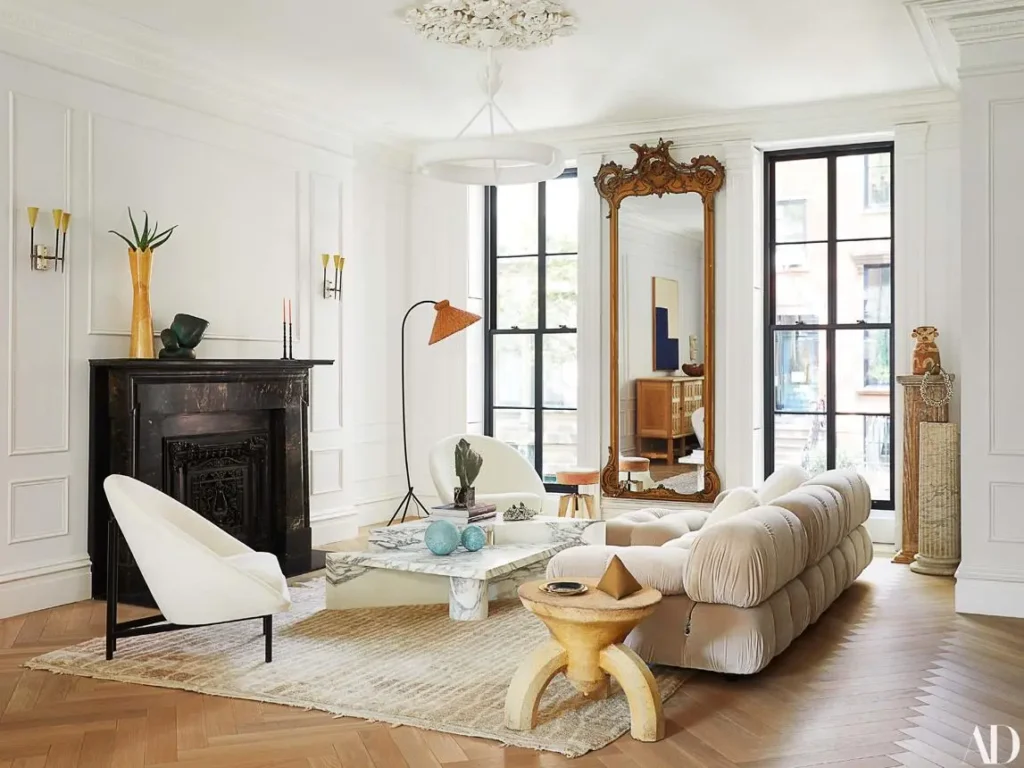

Modern decorating with antiques brings together the character of older furniture and the simplicity of contemporary design. A carved wooden dresser, vintage mirror, antique dining table, or traditional brass lamp can add warmth and individuality to a modern home without making the space feel old-fashioned.
The secret is balance. Instead of filling a room with pieces from the same period, combine different shapes, finishes, materials, and textures that complement one another. A contemporary sofa can look beautiful beside an antique wooden chest, while a vintage mirror can give a simple entryway a more distinctive appearance.
You do not need a large collection of antiques or an expensive renovation to achieve this look. Start with one meaningful piece, consider how it relates to your existing furniture, and build the room around a few carefully chosen details.
This guide explains how to mix modern furniture with antiques, choose the right colors and materials, decorate different rooms, and shop for older pieces without sacrificing comfort or practicality.
Table of Contents
Why Modern Decorating with Antiques Works
Modern interiors often emphasize clean lines, open spaces, and functional furniture. Antiques bring a different quality through their craftsmanship, distinctive shapes, aged finishes, and historical character.
When these elements are combined thoughtfully, they can make a room feel more personal and visually interesting.
1. Add Character Without Overdecorating
A single antique piece can become the focal point of a contemporary room. For example, a carved wooden cabinet can add visual interest to a space with plain walls, streamlined seating, and simple accessories.
Instead of adding several small decorations, let the antique stand out. Give it enough surrounding space so its details remain visible.
2. Create Contrast Between Old and New
Contrast helps different furniture styles feel intentional rather than mismatched.
Consider these combinations:
- An ornate antique mirror above a simple modern console.
- A vintage wooden dining table surrounded by contemporary upholstered chairs.
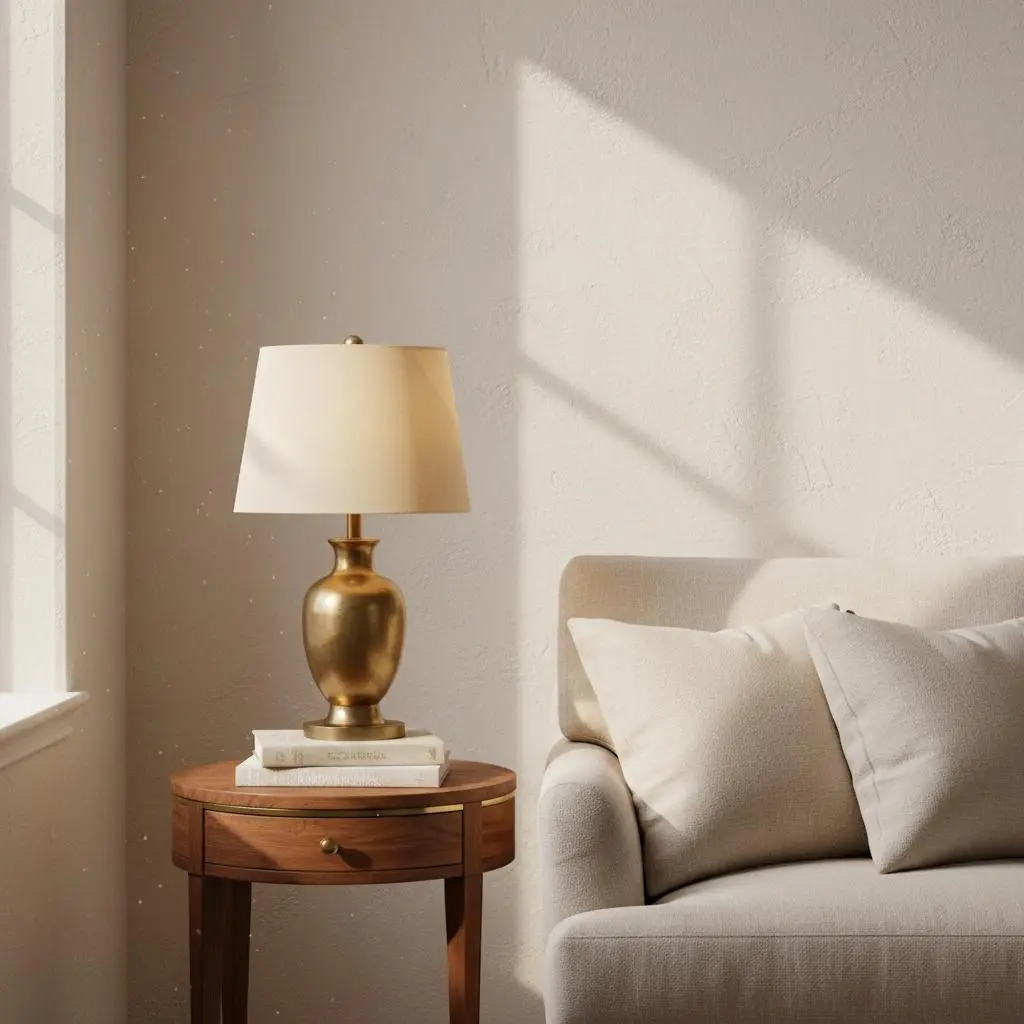
- An antique brass lamp beside a clean-lined sofa.
- A traditional chest placed beneath modern artwork.
- A vintage rug paired with a plain contemporary sofa.
The pieces do not need to match exactly. They need a visual connection, such as a shared color, material, shape, or finish.

3. Make Your Home Feel More Individual
Decorating exclusively with matching furniture can make a room feel uniform. Mixing different periods introduces variety and gives you more opportunities to display pieces that suit your taste.
An inherited dresser, a secondhand side table, or a vintage artwork can become part of the overall design rather than an object that feels separate from the rest of the home.
How to Mix Modern Furniture with Antiques
The easiest way to combine different furniture styles is to start with the pieces you already own. Identify what works, choose one item you want to highlight, and then make a few deliberate changes.
1. Start with One Statement Antique
Choose one antique that has a distinctive shape, finish, or history. A wooden dresser, carved mirror, vintage cabinet, or traditional side table can work well.
Place it where it can be appreciated without interrupting movement around the room. For example, an antique chest can anchor an empty wall, while a vintage mirror can bring attention to an entryway.
Keep the surrounding furniture relatively simple at first. Once the main piece feels integrated, introduce additional details if the room needs them.
2. Use Color to Connect Different Periods
Color is one of the easiest ways to make antique and modern furniture work together.
An older wooden piece may have warm brown or reddish undertones. Repeat a related shade in a cushion, picture frame, rug, or decorative accessory to create a connection.
Useful color combinations include:
- Warm wood and cream: Creates a relaxed, balanced appearance.
- Walnut and muted green: Adds depth without making the room feel overly dark.
- Antique brass and warm white: Combines traditional detailing with a clean backdrop.
- Dark wood and soft beige: Balances the visual weight of a substantial antique.
- Vintage patterns and neutral upholstery: Allows a detailed antique or rug to become the focal point.
You do not need to repeat every color throughout the room. One or two thoughtful connections are often enough.
3. Balance Ornate Pieces with Simple Furniture
Antiques sometimes feature carved legs, decorative handles, curved silhouettes, or detailed patterns. Pairing every ornate piece with another highly decorative item can make a room feel crowded.
Instead, combine detailed furniture with simpler shapes.
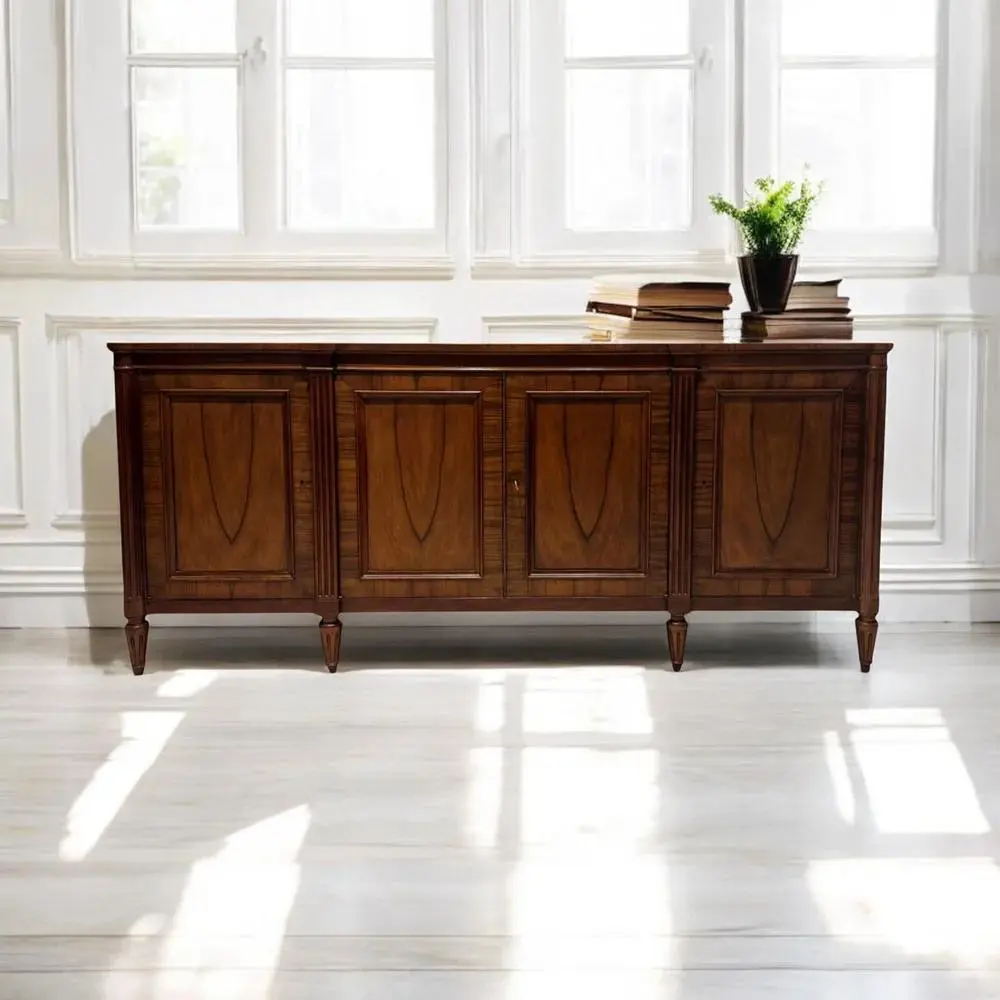
For example, place an antique sideboard against a plain wall and add a contemporary artwork above it. The sideboard provides character, while the clean surroundings prevent the arrangement from becoming visually overwhelming.
The same principle works with an antique dining table, a vintage armchair, or a traditional bed frame.

4. Mix Materials Without Losing Cohesion
Different materials can help connect furniture from different periods.
Wood, metal, glass, stone, linen, leather, and natural woven fibers each contribute a different texture. A modern stone coffee table can sit comfortably near an antique wooden cabinet if the room has a consistent color palette.
Try combining two or three dominant materials rather than introducing a new finish with every object.
For example, warm wood, natural linen, and aged brass can create a cohesive palette for a living room. The exact combination should suit the furniture and finishes already present.
5. Try the 80/20 Approach as a Flexible Guide
The 80/20 approach is a useful styling idea, not a strict design rule. You might keep approximately 80% of a room’s larger furnishings and finishes relatively consistent while using the remaining 20% for contrasting pieces.
In a contemporary home, this could mean modern seating, simple window treatments, and a restrained color palette, balanced by an antique mirror, a vintage side table, and traditional artwork.
You can reverse the emphasis in a more traditional room by using modern lighting or streamlined seating.
The goal is not to calculate exact percentages. It is to decide which style should lead and which should provide contrast.
Scale, Proportion, and Furniture Placement
Even beautiful furniture can look out of place if its dimensions do not suit the room. Before buying an antique, consider its size, intended use, and relationship to nearby furniture.

Measure Before Buying
Measure the height, width, and depth of the piece. Also measure the doorway, hallway, stairs, and turning space through which it must pass.
For a cabinet or dresser, check that drawers and doors can open without hitting nearby furniture. For an antique dining table, allow sufficient space for chairs to move in and out.
An attractive piece is not a practical purchase if it blocks circulation or cannot fit through the entrance.
Leave Space Around Statement Pieces
Large antiques often look better when they have room to breathe.
A substantial wooden cabinet may need an uncluttered wall and a simple accessory arrangement. A small antique lamp, by contrast, may look more effective beside a contemporary chair or on a compact side table.
Avoid filling every empty surface. Negative space helps individual pieces remain visible and makes the room easier to use.
For more practical placement guidance, explore these furniture arrangement ideas for living rooms.
Modern Antique Decorating Ideas for Every Room
Different rooms need different combinations of style and function. Choose antiques according to how the space will be used rather than selecting pieces based on appearance alone.
Living Room: Combine Vintage Character with Modern Comfort
The living room is a natural place to introduce antique furniture because it often includes a mixture of seating, tables, storage, lighting, and decorative objects.
An antique coffee table can add warmth to a contemporary seating area. A vintage cabinet can provide storage, while a traditional mirror can create a focal point above a simple console.
For a balanced arrangement:
- Keep the main sofa comfortable and appropriately sized.
- Use an antique side table or cabinet as a contrasting element.
- Choose a rug that connects the seating area.
- Repeat one color or material between the older and newer pieces.
- Keep pathways clear and avoid overcrowding the room.
You can find more inspiration in these living room design ideas and fireplace design ideas for living rooms.
Bedroom: Pair an Antique Dresser with Simple Bedding
A bedroom can benefit from one traditional piece against a relatively simple background.
An antique dresser can sit beside a modern bed with plain bedding. A vintage bedside table can add character to a room with contemporary lighting, while an old mirror can bring interest to an otherwise simple wall.
Use a limited color palette to connect the furniture. Cream bedding, warm wood, and muted accents can create a relaxed appearance without making the room feel overly coordinated.
Before purchasing a large antique, check its storage capacity, drawer condition, and dimensions. A dresser should be practical for everyday use, not simply decorative.

Dining Room: Mix an Antique Table with Modern Chairs
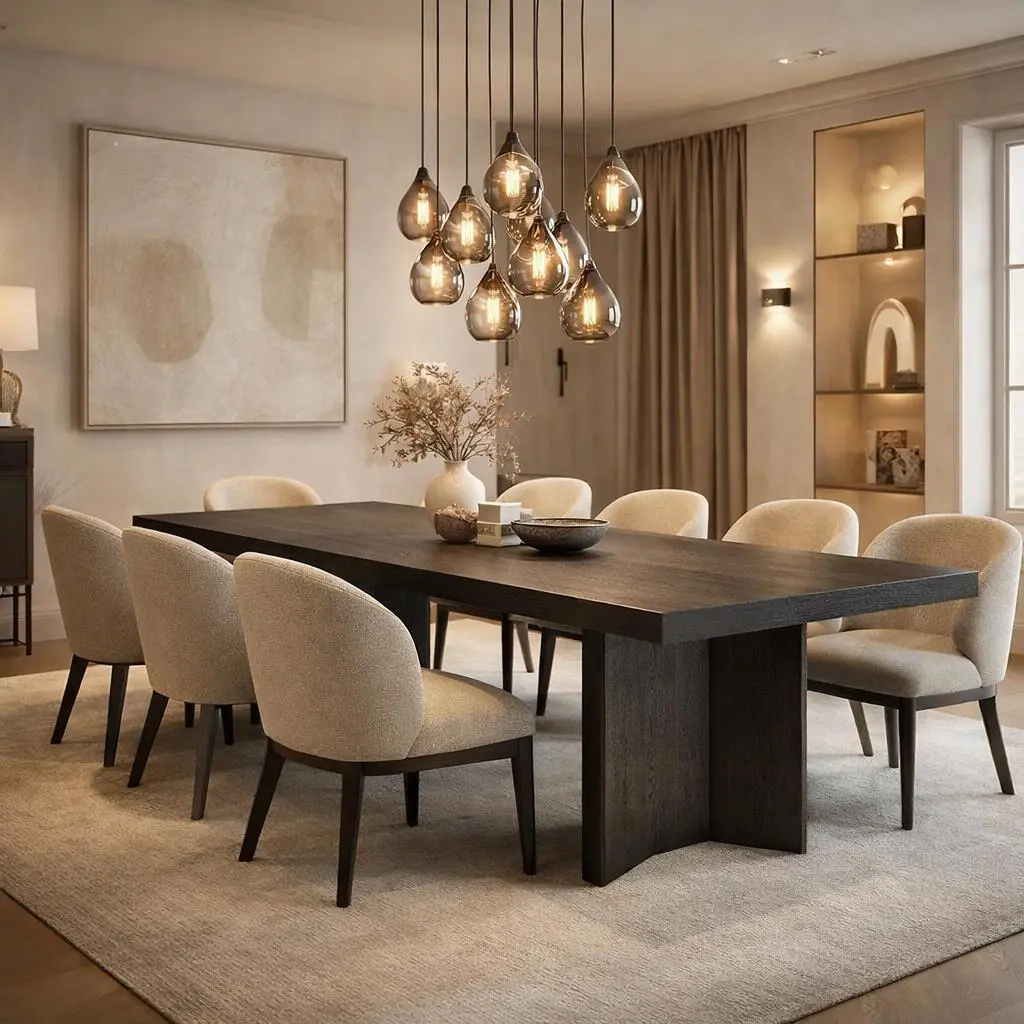
A traditional dining table can become the main feature of a contemporary dining room. Modern chairs provide a visual contrast and can offer a different seating style.
When choosing chairs, compare their seat height with the table height. Check the space beneath the table apron and make sure the chairs can slide underneath comfortably.
You can keep the remaining details simple with contemporary pendant lighting, plain table linens, and a small centerpiece.
If the table has a strong wood grain or decorative legs, allow those details to remain visible rather than covering the surface with excessive decoration.
Entryway: Use a Vintage Mirror or Console
An entryway is a useful place to introduce an antique because a single piece can make a strong impression without requiring much furniture.
A vintage mirror above a simple console can add depth and reflect light. An antique chest can provide storage for everyday items, while a small traditional stool can offer a practical place to sit.
Choose pieces that leave enough room for doors to open and people to pass comfortably. Keep frequently used items organized so the entryway remains functional.
Home Office: Add an Antique Desk or Bookcase
An antique desk or bookcase can bring warmth to a contemporary workspace. Pair it with an ergonomic chair, task lighting, and practical storage.
Check the desk height, legroom, drawer operation, and surface condition before using it daily. Older furniture may need minor repairs or adjustments to suit modern equipment.
A contemporary lamp and a simple desk organizer can provide a useful contrast to traditional woodwork.
Antique Furniture with Modern Decor: What to Buy
You do not need to purchase a complete antique furniture set. Start with a piece that suits your room, budget, and everyday needs.
| Antique piece | Modern pairing | Styling tip |
|---|---|---|
| Wooden dresser | Simple bed and neutral bedding | Repeat the wood tone in a small accessory |
| Vintage mirror | Minimal console table | Keep the surrounding wall uncluttered |
| Antique dining table | Contemporary dining chairs | Check seat height and legroom |
| Vintage rug | Plain modern sofa | Repeat one color from the rug |
| Brass table lamp | Contemporary side table | Connect it with another warm-toned detail |
| Wooden storage chest | Streamlined living-room furniture | Check stability and storage needs |
| Antique bookcase | Modern desk and chair | Arrange books with some open space |
Mirrors, Dressers, Sideboards, and Chests
Storage furniture can be particularly useful because it combines decorative character with everyday function.
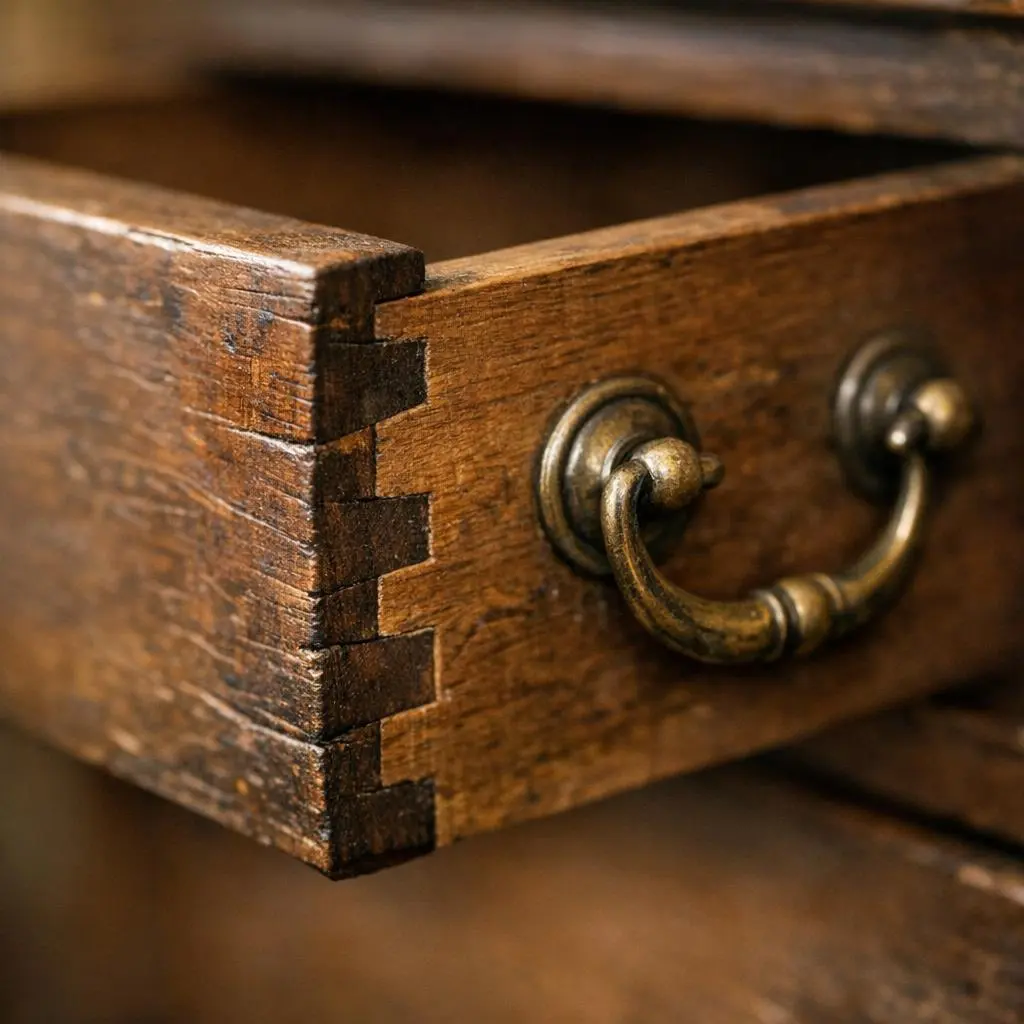
Before buying, inspect drawer runners, hinges, handles, joints, and the back of the piece. Look for signs of moisture damage, woodworm, unstable legs, or previous repairs that may affect its use.
For large or valuable pieces, consider a professional inspection if you are unsure about their condition or authenticity.
Antique Tables and Modern Seating
A vintage table does not need matching chairs to look complete. Contemporary chairs can create a balanced contrast, provided their proportions and finishes work with the table.
For a living room, pair a smaller antique side table with a modern armchair. For a dining room, check the table height and chair clearance before deciding on a combination.
Mixing Lighting and Metal Finishes
Lighting can connect traditional and contemporary elements without requiring major furniture changes.
A modern floor lamp can sit beside an antique armchair. A traditional brass table lamp can add warmth to a clean-lined desk. A contemporary pendant can balance an older dining table.
Different metal finishes can work together, but repeating at least one finish elsewhere often helps the arrangement feel intentional.
Where to Find Affordable Antiques
You can find interesting older furniture without buying from expensive specialist dealers. The right source depends on your budget, location, preferred style, and how much restoration you are willing to undertake.

Thrift Stores, Estate Sales, and Flea Markets
Secondhand shops, estate sales, flea markets, and local resale marketplaces can offer a range of older furniture and decorative pieces.
Look beyond the surface finish. A piece with a worn appearance may be suitable for restoration, but structural damage can make it expensive to repair.
Before purchasing, inspect the furniture carefully and ask about its age, materials, previous repairs, and known damage.
How to Buy Antique Furniture Online
Online listings make it easier to compare different pieces, but photographs do not always show the complete condition.
Before ordering:
- Read the full description, including dimensions.
- Request close-up photographs of joints, corners, drawers, and damaged areas.
- Ask whether the item is an authentic antique, a vintage piece, or a modern reproduction.
- Check the seller’s return policy and delivery arrangements.
- Calculate transportation and restoration costs before agreeing to the price.
Do not assume that an item is genuinely antique simply because the listing uses that word. When authenticity matters, look for supporting documentation or an independent assessment.
A Pre-Purchase Inspection Checklist
| What to check | What to look for |
|---|---|
| Structure | Stable legs, secure joints, and no major movement |
| Surface | Cracks, deep scratches, water marks, and damaged veneer |
| Drawers and doors | Smooth operation and working hardware |
| Materials | Solid wood, veneer, metal, upholstery, or mixed construction |
| Pests and moisture | Signs of insect activity, mold, or damp damage |
| Dimensions | Room fit, doorway clearance, and space for use |
| Restoration | Previous repairs and likely additional costs |
| Total price | Purchase, delivery, cleaning, and repair expenses |
A lower purchase price does not always mean better value. Compare the total cost with the condition and usefulness of the piece.
Common Antique Decorating Mistakes
1. Adding Too Many Antiques at Once
A room can feel crowded when every item competes for attention. Start with one or two important pieces and add more only if the space needs them.
2. Ignoring Scale and Proportion
A very large cabinet can overwhelm a small room, while a tiny mirror may look lost above a wide console.
Measure the available space and compare the dimensions of the antique with the furniture around it before buying.
3. Matching Every Wood Finish Exactly
Wood finishes do not need to be identical. Different tones can work together when the overall palette is balanced.
Pay attention to undertones, contrast, and the amount of each finish visible in the room. If two woods look disconnected, introduce a rug, textile, or accessory that helps connect them.
4. Mixing Styles Without a Common Element
Different furniture periods can complement one another, but a room still needs some visual consistency.
Use shared colors, materials, shapes, or finishes to establish a connection. The common element does not have to be obvious; even a repeated warm wood tone can help.
5. Refinishing Every Old Piece
An aged finish may be part of an antique’s character. Sanding, painting, or replacing original hardware can change its appearance and may reduce its historical or financial value.
Before altering a potentially valuable piece, research its age and construction. Seek advice from a qualified furniture conservator when appropriate.
6. Choosing Appearance Over Function
Furniture should support the way you live. Check comfort, storage, stability, and clearance before purchasing a piece for everyday use.
A beautiful antique that blocks a walkway or has unsafe structural damage may not be the right choice for your home.
How to Care for Antique Furniture
Proper care helps older furniture remain useful and attractive.
- Dust gently: Use a soft, clean cloth and avoid abrasive materials.
- Protect from sunlight: Prolonged direct sunlight can fade finishes and damage materials.
- Avoid excess moisture: Clean according to the furniture’s finish and material rather than applying water indiscriminately.
- Use suitable protection: Coasters and protective pads can help prevent marks and scratches.
- Check the environment: Extreme changes in temperature and humidity can affect wood and other materials.
- Repair carefully: Seek professional advice for loose joints, serious finish damage, suspected pests, or valuable antiques.
Avoid applying strong cleaners, sanding, or using an unfamiliar polish until you understand the finish. A product suitable for one piece may damage another.
Frequently Asked Questions
How do you decorate a modern home with antiques?
Start with one or two antique pieces that complement your existing furniture. Connect the old and new items through color, material, or shape. Keep the surrounding decor relatively simple and make sure every piece fits the room’s scale and function.
Can modern furniture and antique furniture go together?
Yes. Modern and antique furniture can work well together when their proportions, finishes, and visual weight are balanced. A contemporary sofa can sit beside an antique table, for example, while a shared rug or color helps connect the arrangement.
Are antiques coming back in style?
Antiques and vintage furniture can appeal to homeowners who want distinctive pieces, visible craftsmanship, and interiors that feel less uniform. Interest varies by design preference, market, and location, so antiques should be chosen for their suitability and value rather than a trend alone.
What is the best first antique to buy?
A small mirror, side table, lamp, or compact chest can be a practical starting point. These pieces are often easier to incorporate than large furniture. Check the condition, dimensions, price, and how the item will work with your existing decor.
How do you make antique furniture look modern?
Pair detailed antique furniture with clean-lined seating, simple textiles, and uncluttered surroundings. Use a restrained color palette and repeat one or two materials elsewhere in the room. The goal is to balance traditional character with contemporary simplicity.
Can you mix different antique styles in one room?
Yes, but establish a common element to keep the room cohesive. Similar wood tones, related colors, repeated shapes, or complementary materials can connect pieces from different periods. Give the most distinctive items enough space to stand out.
Is antique furniture worth buying?
It depends on the piece’s condition, construction, authenticity, price, and suitability for your needs. A well-made older item may provide years of use, but repairs and transportation can add to the cost. Compare the total expense with the furniture’s practical value before purchasing.
Final Thoughts
Modern decorating with antiques is about creating a thoughtful balance between traditional character and contemporary comfort. You do not need to match every finish or fill your home with historical pieces. A single vintage mirror, antique dresser, or traditional dining table can provide enough contrast to make a room feel more individual.
Start with what you already own, choose one piece that deserves attention, and build around it using compatible colors, textures, and proportions. Measure carefully before buying, inspect older furniture for damage, and consider the cost of any necessary repairs.
The most successful combination is not necessarily the most expensive or perfectly coordinated one. It is the arrangement that feels cohesive, works for everyday life, and reflects your personal style.

Pingback: DIY Room Decor for Small Apartments: 10 Space-Saving Ideas
Pingback: Neutral Color Palette Interior Design: 7 Simple Room Combos
Pingback: What Is Traditional Interior Design? A Clear Guide
Pingback: Best Materials for Industrial House Interiors: 12 Picks
Pingback: Yellow Bedroom Ideas: 15 Easy Looks That Feel Calm and Warm