
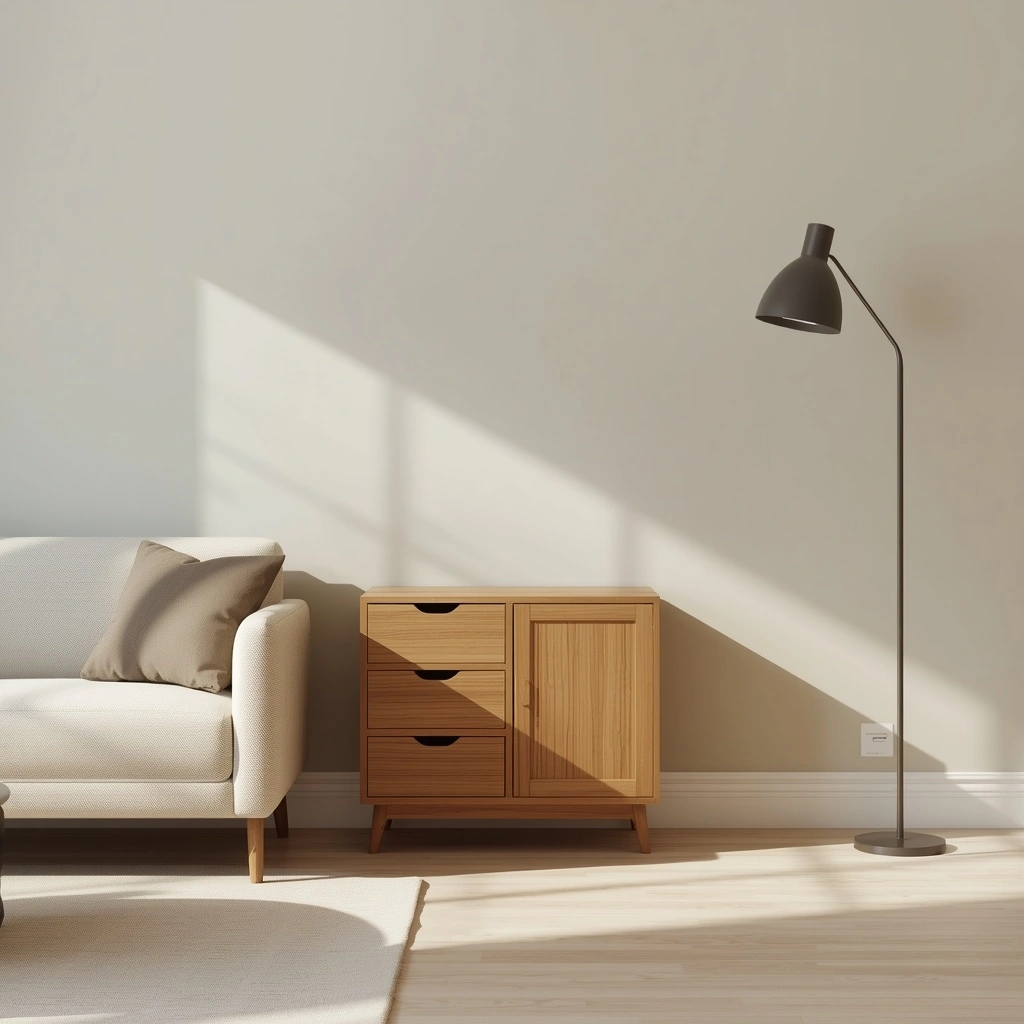

A product photo shows a cabinet’s finish, but not whether a board game box will fit through its opening. A storage cabinet for a living room is a freestanding or fitted unit for household belongings. I’d compare the largest items with the usable shelf space, opening, and room needed for doors before choosing a style.
Contents
- Storage Cabinet for Living Room: Which Type Fits the Job?
- Tip 1: Start With What You’ll Store and Where It Will Sit
- Tip 2: Measure Before You Choose a Living Room Storage Cabinet
- Tip 3: Choose Doors, Drawers, and Shelves for Your Needs
- Tip 4: Can Modular Units Create a Built-In Look?
- Tip 5: Living Room Cabinet Materials: What to Check
- Tip 6: Match the Cabinet’s Scale and Finish to Your Room
- Tip 7: Check Ratings, Installation, and Delivery Before Buying
- Quick Answers Before You Choose
- Storage Cabinet for Living Room: Final Checklist
Storage Cabinet for Living Room: Which Type Fits the Job?
Choose a cabinet by what you need it to hold, where it will sit, and how you plan to use it. A sideboard, display cabinet, TV unit, and modular system can all provide living room storage, but their layouts and clearances differ.
| Cabinet form | Could suit | Check before choosing. |
|---|---|---|
| Sideboard or buffet | A mix of items kept behind doors, in drawers, or on top | Shelf layout, usable interior, and door or drawer clearance |
| Accent or display cabinet | Items you want to show, or a mix of display and concealed storage | Open or glass sections, cleaning needs, and shelf rating |
| TV or media unit | Storage planned around a screen and related equipment | Screen position, cable route, device ventilation, and usable depth |
| Modular or fitted storage | A wall, alcove, or particular arrangement | Whether the modules fit together and how the finished unit will be installed |

Retail names can overlap. One seller may call a piece a credenza, while another calls a similar piece a sideboard. Compare the actual dimensions, doors, drawers, and shelf arrangement instead of assuming the label tells you what will fit.
Tip 1: Start With What You’ll Store and Where It Will Sit
A cabinet’s interior should match the items you plan to store. Before browsing, list the largest item, the heaviest item, and the belongings you reach for most often.
A board game box, folded throw, stack of books, and media device can each need different shelf heights, depths, or access. Smaller everyday items may work better in a drawer or basket. Objects you want to display may need an open or glass-front section. These are options to compare, not rules for every home.
The Bunnings Warehouse planning video recommends choosing the cabinet type and size around the number and shape of the items. The Mapoks roundup also suggests identifying the storage need before comparing product features. Decide where the cabinet will sit, too. If you are planning around a TV, mark its position before comparing units.
That inventory narrows the choices. If you want a broader checklist, compare it with common things found in a living room before deciding which belongings need cabinet space.
Tip 2: Measure Before You Choose a Living Room Storage Cabinet
Measure four things separately: the cabinet’s outside dimensions, its usable interior and opening, the room needed for doors or drawers, and the delivery route. A cabinet can fit against the wall and still fail one of the other checks.
| Check | What to record |
|---|---|
| Cabinet | Width, height, and depth; packaged dimensions if available |
| Stored item | The largest item and whether it can pass through the cabinet opening |
| Everyday use | Space needed for doors or drawers to open |
| Delivery | Package route through entrances, turns, stairs, or an elevator. |
| Product details | Shelf rating and installation instructions for the exact model |

Compare the Cabinet, Its Contents, and the Opening.
Start with the listed width, height, and depth, then look for usable interior dimensions. Measure the largest object you want to store and compare it with the shelf space and the door opening. A wide interior does not help if the object cannot pass through the opening.
“Thin cabinet with doors” can mean narrow, shallow, or both, so check the measurements rather than relying on that phrase. Exterior dimensions do not tell you the usable interior depth.
Plan Door Swing and Everyday Movement
Mark the cabinet’s footprint on a quick room sketch. Use these living-room furniture set-up ideas to check how the larger pieces fit together, then draw the doors or drawers open. A closed cabinet may leave room for a sofa while an open door makes the path awkward.
If you are planning a TV area, decide where the screen and cabinet will go before settling on module sizes. In its storage-planning video, Bunnings Warehouse recommends choosing the location before measuring for the cabinetry. Check the instructions for any equipment that will sit in an enclosed section.
Measure the Route the Delivery Must Take
A cabinet has to reach the room before it can fit there. Compare the packaged and assembled dimensions with doorways, turns, stairs, and elevators. Confirm whether delivery includes carrying the unit inside or whether assembly is your responsibility.
Tip 3: Choose Doors, Drawers, and Shelves for Your Needs
There is no single best layout for every living room. Choose doors for items you prefer out of sight, open shelves for pieces you display or reach often, and drawers for smaller belongings you want grouped.
| Storage feature | Could help when | Check first. |
|---|---|---|
| Doors | You want to conceal everyday items. | Door swing or sliding access and usable interior space |
| Open shelves | You want items visible or easy to reach. | Shelf spacing, cleaning, and the appearance of stored items |
| Drawers | You want smaller belongings grouped. | Internal dimensions and the drawer’s opening space |
| Adjustable shelves | Your stored items vary in height. | Adjustment range, shelf supports, and the model’s rating |

The Bunnings video discusses shelves and drawers in modular layouts. Mapoks describes examples with adjustable shelves, mesh fronts, and a mix of drawers and enclosed storage. Those are features to compare, not proof that one design works better for every household. Concealed storage changes what you see; it does not automatically organize what sits inside.
A mesh front or cable opening does not confirm that a cabinet provides enough airflow for a TV, game console, or another device. Check the equipment maker’s ventilation instructions along with the cabinet details. Treat soft-close hinges, concealed hinges, and glass fronts as optional product features, then weigh them against use, care, and cost.
Tip 4: Can Modular Units Create a Built-In Look?
Modular cabinets can be arranged for a more fitted appearance, but that is not the same as a custom installation. Set the storage layout first, then check which finishing details suit the actual units and room.
Compare the available widths, heights, shelves, and drawers with your inventory. Tall, narrow modules use the wall differently from short, wide ones; the room and product dimensions decide whether either shape fits.
Bunnings Warehouse’s planning video suggests upper trim, a kickboard, or a timber top as ways to make modular units look more integrated. Treat these as design ideas, not installation instructions. Before adapting a product, check the maker’s guidance, how additions will be secured, and whether the wall or floor needs preparation. Built-in storage cabinets for a living room need a separate fit and installation plan; a modular unit with trim is not automatically custom cabinetry.

Tip 5: Living Room Cabinet Materials: What to Check
A material name alone cannot tell you how long a cabinet will last. Compare the construction, finish, intended room conditions, care instructions, and manufacturer details before treating one option as the clear winner.
Solid wood, wood veneer, MDF, and particleboard describe different materials or construction choices. Veneer is a surface layer, so ask what material sits underneath it. For any panel-based cabinet, check the exact product description, edge finish, shelf support, care instructions, and stated load rating.
A product photo rarely shows the panel core or the way a shelf is supported. A smooth surface or a higher price does not confirm that a shelf suits a heavy load, and a material label does not guarantee a fixed lifespan.
The finish affects appearance and care, but it does not erase the properties of the material below it. Read the manufacturer’s cleaning instructions and check how exposed edges are finished, especially if the cabinet will sit near moisture. Ordinary MDF can swell after moisture exposure, so check the specific grade, finish, and intended conditions rather than assuming all MDF suits every room.

Tip 6: Match the Cabinet’s Scale and Finish to Your Room
A cabinet can fit the wall and still look too large for the room. Compare its height and width with nearby furniture, the visible floor, and the space around the piece, not just its color.
A tall cabinet may draw the eye upward, but it can also dominate a room with a low ceiling or block a sightline. Compare the cabinet with the sofa, media unit, and wall area beside it. Product photos often show staged rooms, so judge the piece against your own layout.
Bunnings Warehouse’s video presents smooth or more detailed door profiles, paint choices, and hardware as finishing options. The Mapoks video uses rattan fronts as a texture example. If you are comparing a modern storage cabinet for a living room, treat these as style ideas, not proof of current popularity or a guaranteed visual effect.
I’d compare a finish beside nearby furniture or a real room photo. Pale paint, raised legs, or a decorative front may suit a room, but none guarantees more visual space. A decorative storage cabinet still needs to pass the same fit and use checks as a plain one.
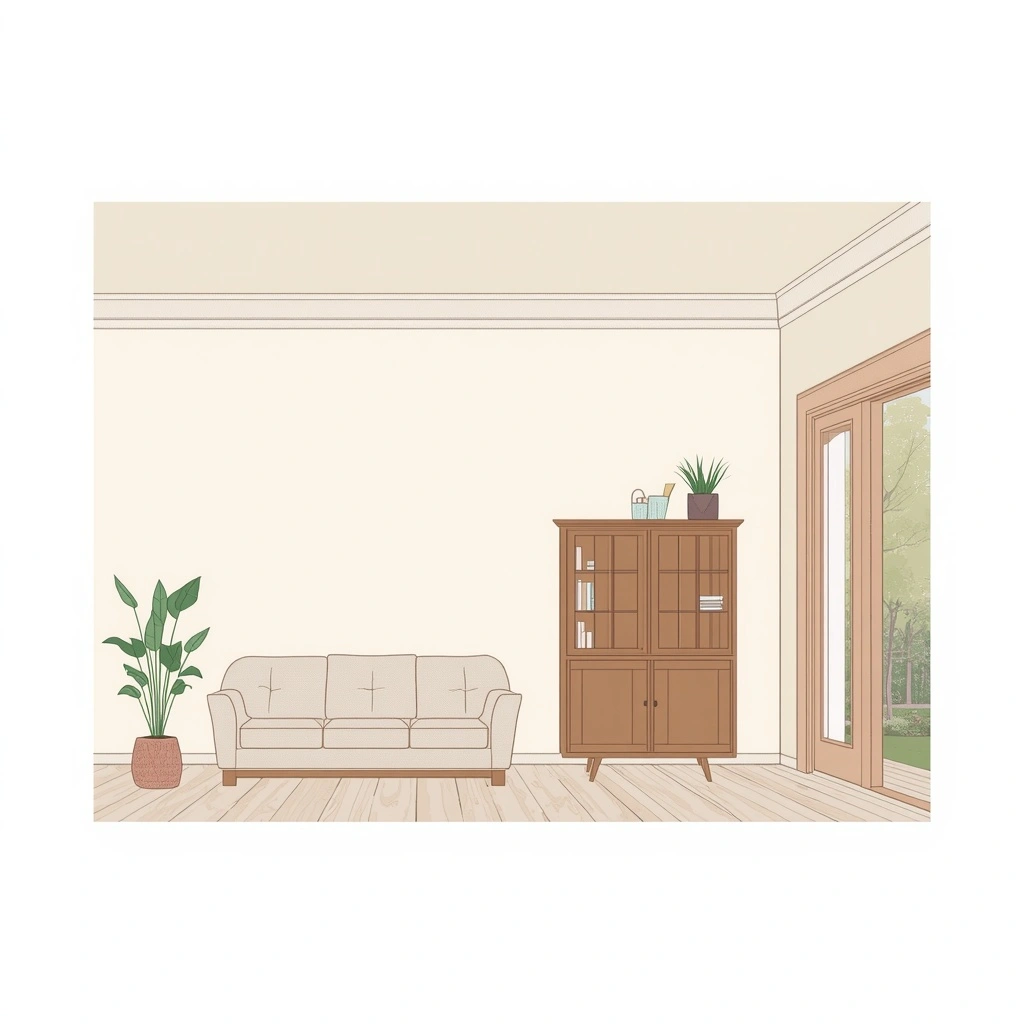
Tip 7: Check Ratings, Installation, and Delivery Before Buying
Before ordering, check the exact cabinet’s ratings, instructions, delivery requirements, and total cost. A heavy-looking or low cabinet is not automatically stable, and a product description is not a substitute for its manual.
7 Storage Cabinet Designs for Living Room
The right storage cabinet design depends on your space, your style, and what you need to hide or show. Below are seven designs that work well in most living rooms, from slim apartment pieces to roomy family-size units. Each one solves a different storage problem.
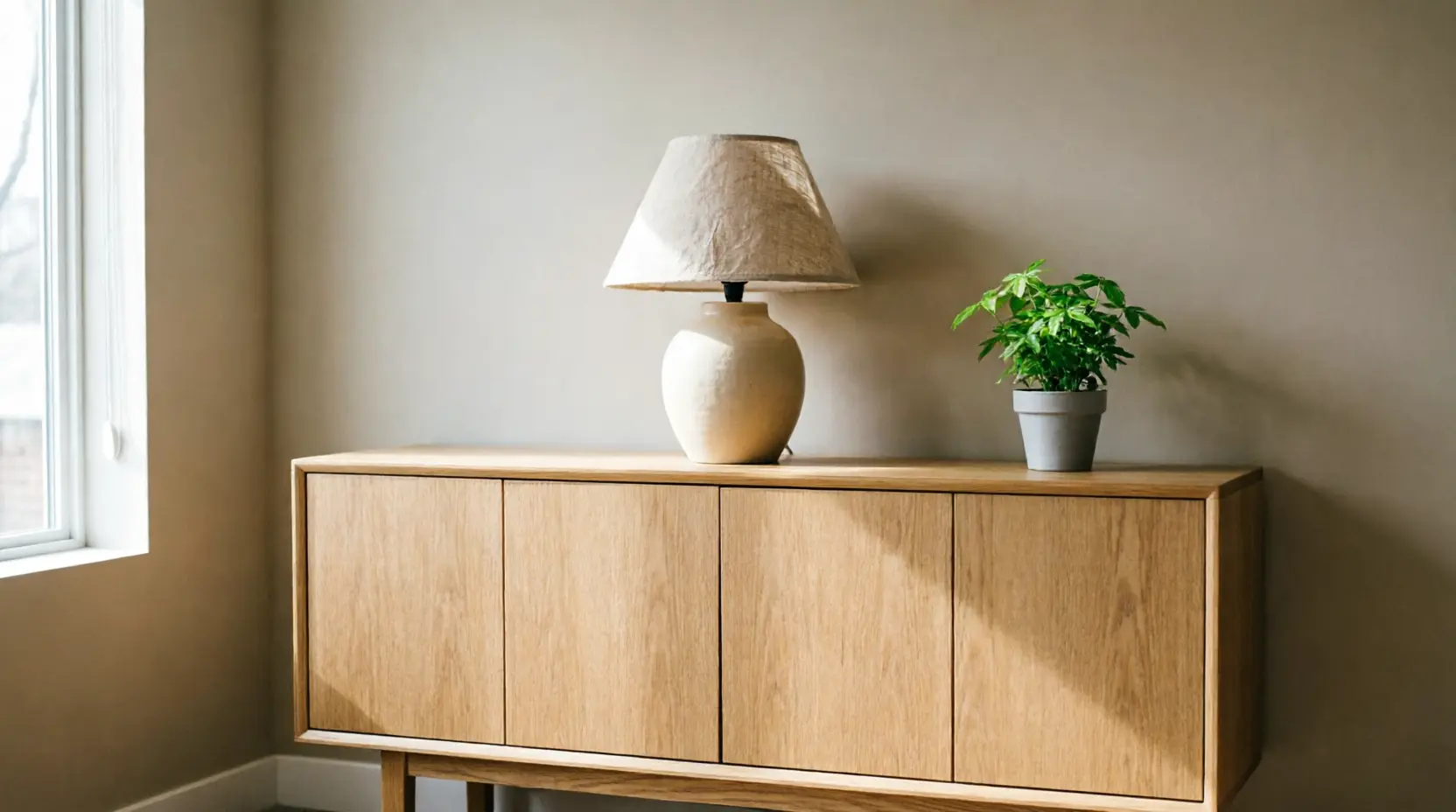
1. Sideboard Storage Cabinet with Doors
A low sideboard keeps clutter out of sight behind closed doors. It suits families who need space for board games, blankets, and extra cushions. The top stays free for a lamp, plants, or framed photos.
2. Glass-Door Display Cabinet
A glass-door cabinet lets you store and show at the same time. Use it for books, tea sets, or travel keepsakes. Keep the shelves lightly styled so it looks neat, not crowded.

3. Tall Slim Storage Cabinet
Tall and narrow cabinets use vertical space and fit small living rooms or tight wall gaps. Place one beside a sofa or window for extra storage without losing floor space.

4. Cabinet with Open Shelves and Closed Doors
A mixed design gives you both options. Use the open shelves for books and decor, and the closed doors for items you prefer to hide. It works well when you want storage that looks styled but stays practical.

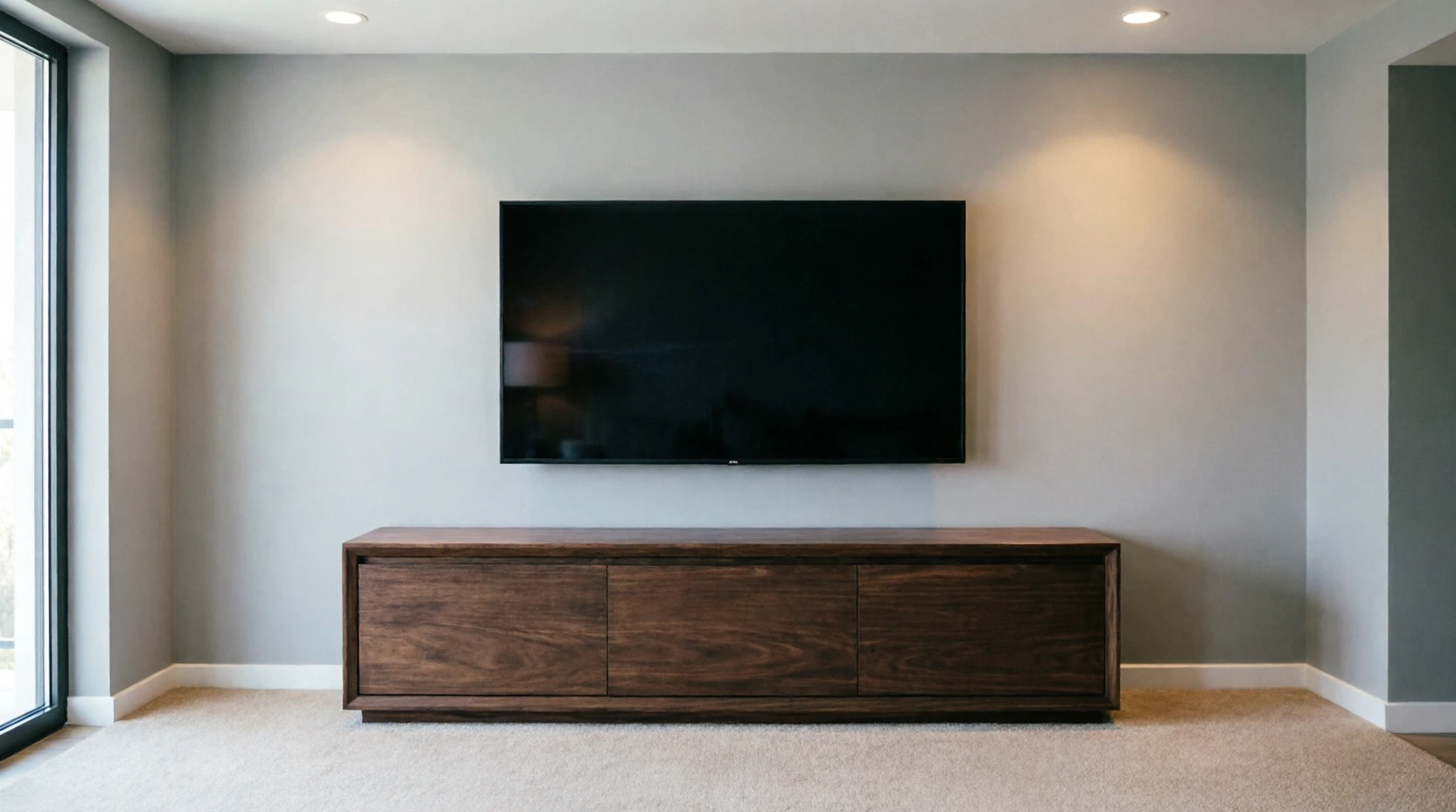
5. Media Console Storage Cabinet
A media console keeps your TV, cables, and gaming gear organized. Choose one with cable holes and adjustable shelves so everything stays tidy behind the doors.
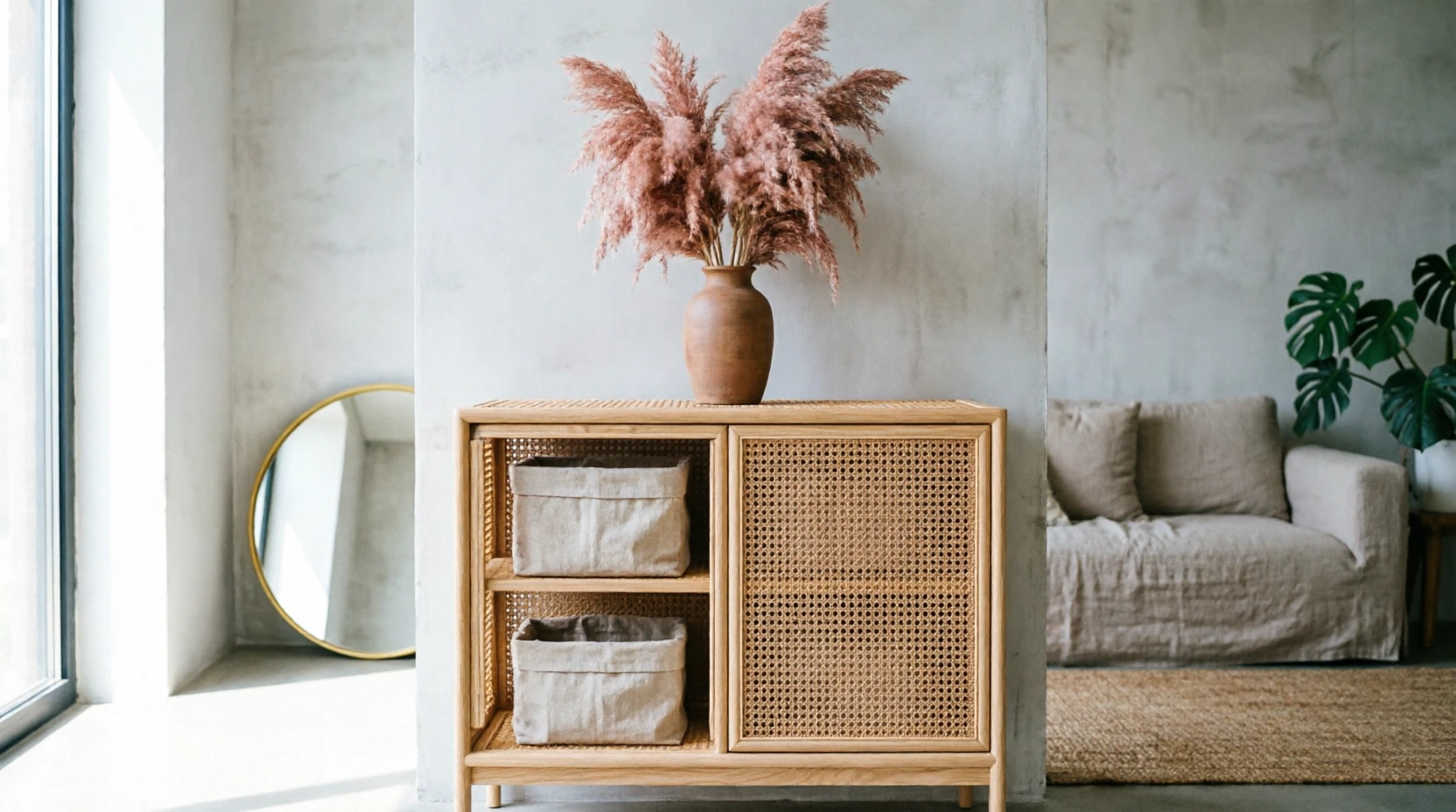
6. Rattan or Cane Door Cabinet
Rattan or cane doors add texture and a light, natural look. They let the cabinet breathe and feel less heavy than solid wood. This design suits boho, Scandinavian, and warm minimalist rooms.
7. Corner Storage Cabinet
Corners are often wasted. A corner cabinet turns that dead space into useful storage and suits small or oddly shaped living rooms. Pick a fitted size so it blends in with the walls.

Use the Rating for the Shelf You Plan to Load
Look for the manufacturer’s stated limit for the shelf and the overall unit, along with any restrictions on assembly or loading. A cabinet’s total weight does not tell you what each shelf can safely hold. If a listing gives one general capacity, check whether it applies to the whole cabinet or to each shelf.
Follow the Product’s Installation and Anti-Tip Instructions
Use the installation and anti-tip instructions supplied for the actual model. Check whether the recommended fixings suit the wall and get appropriate help if the instructions or wall conditions are unclear. Don’t assume that a shorter, heavier, or newer cabinet cannot tip.
If the article names a U.S. safety rule, verify the current official source and the product category it covers. If that scope has not been checked, keep the advice to following the cabinet maker’s installation and anti-tip instructions.
Add Delivery, Assembly, and Returns to the Cost
Record the current product price separately from delivery, assembly, installation, and return charges. Two listings are not comparable until you know what each total includes.
Check whether the delivery service brings the cabinet inside, whether assembly is included, and what happens if the assembled unit cannot pass through the doorway. For a U.S. purchase, compare current listings from the same market; do not use prices from a different country as a budget guide.
Quick Answers Before You Choose
What size storage cabinet do I need for my living room?
Measure the wall, the cabinet’s exterior and usable interior, the largest item, and the opening. Then check space for doors or drawers and the delivery route. A listing’s outside dimensions alone cannot confirm that an object will fit.
Should I plan the cabinet around the TV before choosing its size?
Yes. Decide where the screen and cabinet will sit, then measure the layout and check device-specific cable and airflow needs. The Bunnings Warehouse video recommends choosing the location before selecting cabinetry; the exact cabinet and equipment instructions still matter.
Should I choose a living room cabinet with doors?
Doors can conceal items, but they need room to open and do not organize the cabinet’s contents. Compare doors with drawers, open shelves, or a mixed layout based on what you store and how often you reach for it.
Can modular cabinets create a built-in look?
They can look more integrated with suitable trim, a kickboard, or a top. Check the cabinet maker’s guidance and installation requirements first; a fitted appearance does not make a freestanding unit custom-built.
Do mesh doors provide enough airflow for electronics?
Not automatically. Mesh is a cabinet feature, not a device-specific airflow rating. Check the equipment maker’s clearance and ventilation instructions along with the cabinet details. A mesh front or cable hole alone cannot confirm that enclosed storage suits electronics.
Is MDF automatically the best choice for a living room cabinet?
No material is best in every setting. Ordinary MDF can swell after moisture exposure. Compare the product’s grade, finish, edges, construction, and care instructions rather than assuming the material name guarantees durability.
Storage Cabinet for Living Room: Final Checklist
Before choosing a storage cabinet for a living room, check:
- The largest and heaviest items you plan to store
- The cabinet’s usable interior and opening, not just its outside dimensions
- Space for doors, drawers, and normal movement
- Shelf ratings and any device-specific ventilation needs
- Material, finish, and care instructions for the actual product
- Installation, delivery access, assembly, returns, and full cost
If a listing leaves out a measurement or rating that decides whether the cabinet will work, ask for that detail before ordering.



Pingback: Interior Design Styles Explained: 12 Smart Choices
Pingback: Contemporary Interior Design: What It Is and How to Use It
Pingback: Home Interior Design for Small Homes: 10 Simple Smart Ideas
Pingback: DIY Room Decor for Small Apartments: 10 Space-Saving Ideas
Pingback: Neutral Color Palette Interior Design: 7 Simple Room Combos
Pingback: Best Materials for Industrial House Interiors: 12 Picks